


GPU Review: Why Nvidia's $7.8 Million AI Builds Are Actually Good News for Gaming
Dude. Nvidia's memory costs just spiked 485%. Yeah, you read that right. When I first saw these numbers, my brain went straight to that feeling when you're cracking booster packs and realize the chase card you need is suddenly worth triple what you paid for the entire box. The latest AI systems are hitting $7.8 million per build, with memory alone eating up 25% of that cost. Meanwhile, those Rubin GPUs? A "mere" $50,000 each.
Here's the thing though – this AI arms race might actually be the best thing to happen to PC gaming in years.
Memory Costs Are Going Full Mythic Rare
Let's break down these insane numbers. Memory comprising 25% of a $7.8 million build means we're talking about roughly $1.95 million just in RAM and storage. That's not a typo. For context, that's enough to buy about 650 high-end gaming rigs from BitCrate Custom Gaming PCs.
But here's where it gets spicy. The Vera Rubin platform (named after the astronomer, not the sandwich) is pushing memory requirements through the roof because AI models are absolute memory hogs. Think of it like trying to run a AAA game with only 4GB of system RAM – technically possible but absolutely painful.
When memory accounts for nearly 25% of enterprise costs, you know we're in unprecedented territory.
Working at TieredUp Tech here in Orange, TX, I've watched customers freak out over $200 RAM upgrades. Imagine explaining to someone they need $2 million worth of memory. That's some serious enterprise-level sticker shock.
Why $50K GPUs Matter to Your $1K Build
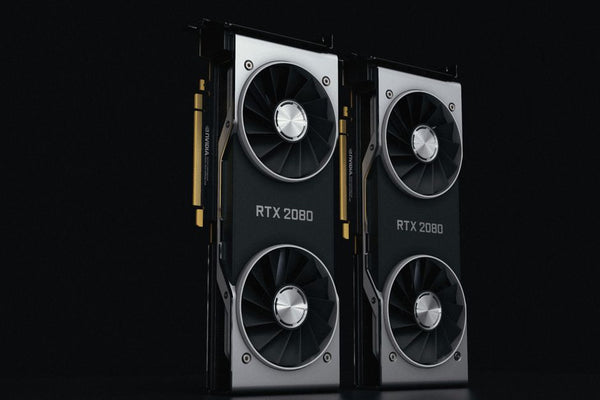
Hot take: those $50,000 Rubin GPUs are actually good for mainstream gaming. Sounds crazy? Bear with me.
When Nvidia's enterprise division is printing money from AI companies desperate for compute power, it reduces pressure on gaming GPU margins. It's basic economics – if you're making bank selling thousand-dollar steaks, you can afford to sell hamburgers at competitive prices.
Remember the RTX 4090 launch? Everyone predicted $2,000+ pricing based on the crypto boom. Instead, we got a relatively reasonable $1,599 MSRP. That wasn't Nvidia being generous – that was them having enterprise revenue to fall back on.
The AI Money Train Changes Everything
This memory cost explosion tells us something crucial about the market direction. AI workloads aren't just different from gaming – they're from another planet entirely. Gaming performance focuses on frame rates and visual fidelity. AI focuses on raw throughput and memory bandwidth.
It's like comparing Magic: The Gathering to Pokémon cards. Both are TCGs, but the market dynamics are completely different. MTG players care about tournament viability and format legality. Pokémon collectors obsess over pristine condition and nostalgia factor.
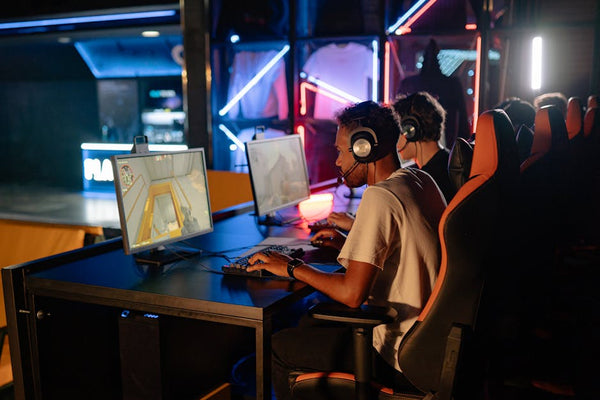
Similarly, AI customers don't care if their $50K GPU can run Cyberpunk 2077 at 4K. They care about tensor operations per second and memory bandwidth. This market segmentation is actually protecting gaming from enterprise price inflation.
Memory Bottlenecks Aren't Just Enterprise Problems
Here's where things get interesting for regular builders. That 485% memory cost increase isn't happening in isolation. DDR5 prices have been climbing steadily, and high-capacity NVMe drives are still expensive relative to their capacity.
Honestly, I think we're seeing a preview of what mainstream builds might look like in 3-5 years. Games are already pushing 16GB RAM as the new standard, and DirectStorage is making fast NVMe storage essential rather than optional.
But there's nuance here. While enterprise memory costs are exploding, consumer memory is actually becoming more efficient. DDR5-5600 gives you better performance per dollar than DDR4 ever did at launch. It's not all doom and gloom.
CPU Benchmark Reality Check
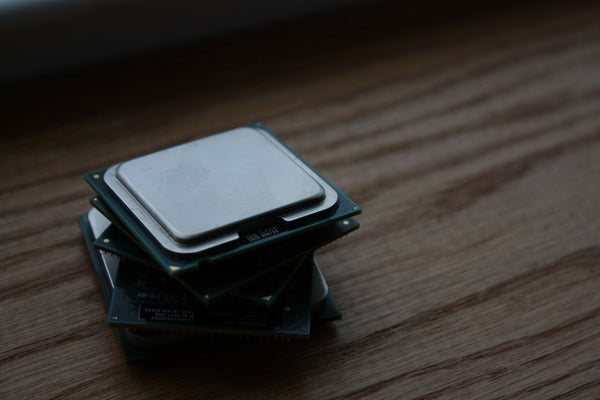
While everyone's focused on GPU prices, the CPU side of these AI builds is equally wild. We're talking about systems with hundreds of cores and terabytes of system memory. The CPU benchmark scores must be absolutely busted – not that anyone's publishing them publicly.
For comparison, a modern gaming CPU like the 7800X3D pulls maybe 120W under full load. These AI systems are probably consuming more power than small data centers. Gaming performance suddenly seems quaint by comparison.
What's this mean for your next build? Probably nothing immediately, but it's steering R&D dollars toward efficiency improvements. When you're paying $7.8 million per system, every watt of power efficiency translates to serious operational savings.
The Trickle-Down Effect
Look, I'm not saying enterprise AI development directly benefits gamers – that'd be naive. But the technology cross-pollination is real. GPU architectures designed for AI workloads still need to handle traditional graphics efficiently. Memory controllers optimized for massive datasets also improve gaming performance.
It's like how Formula 1 technology eventually makes it into regular cars. The timescales are different, but the innovation pipeline flows downward.
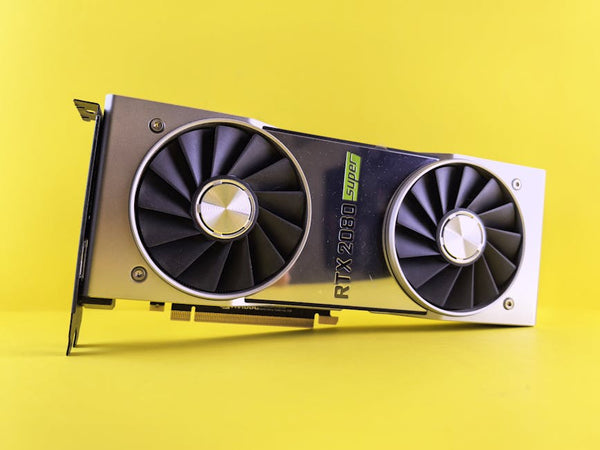
Personally, I think we're about to enter a golden age of gaming hardware. Shop GPUs at TieredUp Tech and you'll see what I mean – current-gen cards are delivering performance that would've been unthinkable just five years ago, often at better price-per-frame ratios.
What This Means for Your Wallet
Should you panic about these enterprise prices? Nah. Should you pay attention to memory pricing trends? Absolutely.
If you're planning a build in 2024, consider going slightly heavier on memory than you normally would. 32GB is becoming the new 16GB, especially for content creation and future-proofing. Fast storage is also more important than ever – don't cheap out on a slow NVMe drive.
The wild enterprise spending actually creates opportunities for smart buyers. When companies are dropping millions on AI hardware, they're less focused on competing for mainstream components. Market forces work in mysterious ways.
This whole situation reminds me of the early days of PCIe 4.0 adoption. Enterprise needed it desperately, consumer hardware eventually benefited, and early adopters who paid attention got better value than those who waited.
We're watching history repeat itself, just with bigger numbers and more zeros. The AI bubble might burst eventually, but the technology improvements are here to stay. That's the real prize for PC enthusiasts willing to play the long game.











Leave a Comment