


AI GPU Review Crisis: How the Memory Chip Shortage Impacts Gaming Performance and PC Building
The memory shortage is real, and it's about to hit gamers harder than a perfectly timed Valorant wallbang. While everyone's been arguing about whether the RTX 4090 is worth its astronomical price tag, a bigger storm's been brewing. Nine major U.S. trade groups just begged the Trump administration to tackle the AI-driven DRAM shortage that's strangling every industry from cars to medical devices.
Here's the deal. AI data centers are consuming memory chips like a streamer burns through energy drinks during a marathon session. And when supply gets tight? Prices go absolutely bonkers.
Why This Memory Crisis Matters for Your Next GPU Review
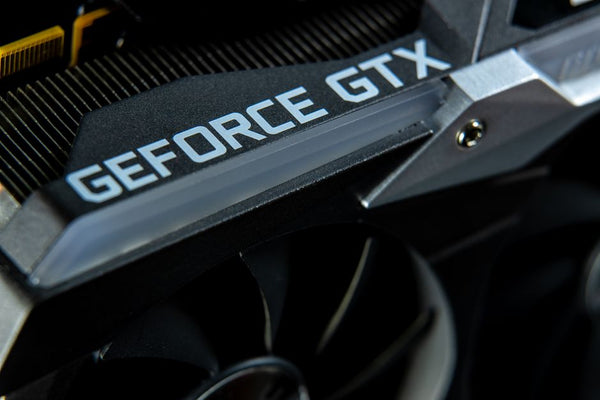
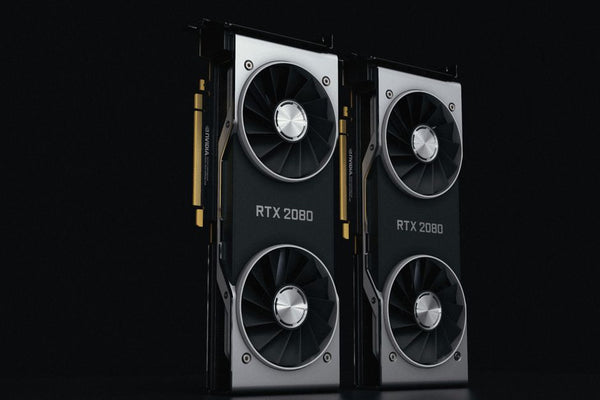
Think about it — every modern graphics card needs high-speed GDDR6X or GDDR7 memory. Those chips share manufacturing capacity with regular DDR4 and DDR5 system memory. When AI companies are buying entire foundry outputs for their data centers, there's less silicon for everything else.
Personally, I think we're looking at the perfect storm. I've been tracking memory prices for years, and this shortage feels different. It's not just cryptocurrency miners buying every GPU in sight. This is enterprise-level consumption that makes crypto look like pocket change.
Last week at our shop in Orange, TX, a customer wanted to build a high-end gaming rig with 32GB of DDR5-6000. The price? Nearly $300 for memory alone. Six months ago? That same kit cost $180. That's not normal market fluctuation — that's shortage-level pricing.
The Real-World Gaming Performance Impact
Memory shortages don't just mean higher prices. They mean compromised gaming performance when manufacturers cut corners. Want proof? Look at the RTX 4060 Ti fiasco with its gimped 8GB VRAM. Nvidia knew memory was getting expensive, so they shipped cards with inadequate buffers.
Modern games are memory hungry. Cyberpunk 2077 with RT enabled? Easily pushes past 10GB at 4K. Fortnite with all the visual bells and whistles? 8GB minimum. When GPU manufacturers start skimping on memory capacity, your 1% lows tank harder than a bronze player in ranked.
Hot take: this shortage is going to force a two-tier GPU market. Premium cards with adequate VRAM for enthusiasts, and budget options that'll struggle with next-gen titles within two years. The middle ground is disappearing.
CPU Benchmark Implications: System Memory Gets Expensive
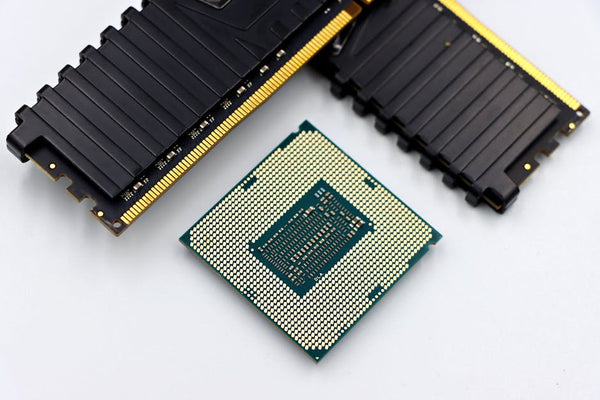
System RAM prices are climbing too. DDR5 was already pricey compared to DDR4, but now we're seeing 32GB kits hit $250+ regularly. That's rough when you're trying to build a balanced gaming system.
Here's where it gets tricky for PC builders. You can't just throw more money at faster memory and call it solved. Ryzen 7000 series CPUs love fast DDR5, but there's diminishing returns past DDR5-6000. Intel's 13th and 14th gen processors are similar — they'll take DDR5-7200+ but the gaming performance gains are minimal compared to the cost jump.
Smart builders are looking at DDR5-5600 as the new sweet spot — fast enough for modern CPUs without breaking the bank on premium speeds.
I've been recommending 32GB configurations more often lately. Not because games need it today, but because upgrading memory later might cost significantly more. Future-proofing makes sense when prices are climbing this aggressively.
The AI Center Reality Check
Let's be real about what's happening. AI training requires insane amounts of high-bandwidth memory. A single H100 GPU has 80GB of HBM3 memory. Data centers are deploying thousands of these cards. Each training cluster consumes more memory than entire consumer markets.
Nvidia's selling every H100 they can manufacture at $25,000+ each. Why would memory manufacturers prioritize consumer gaming when enterprise customers pay premium prices for guaranteed volume? They wouldn't, and they aren't.
Building Strategy: Gaming Performance vs Budget Reality
So how do you build a solid gaming PC when memory prices are climbing? You get strategic about specifications.
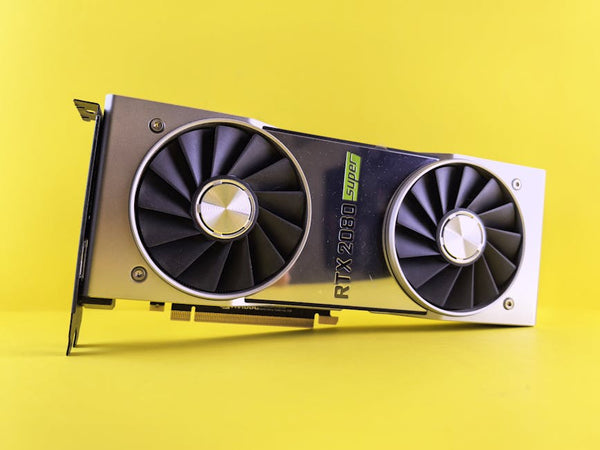
For GPUs, prioritize VRAM capacity over raw speed. A RTX 4070 Super with 12GB will age better than a RTX 4070 Ti with 12GB at slightly higher clocks. Memory bandwidth matters, but capacity matters more for longevity.
System memory strategy is trickier. 16GB is still adequate for most current games, but that's changing fast. Games like Star Citizen already recommend 32GB. Microsoft Flight Simulator loves extra RAM. Even competitive titles are creeping up — Valorant runs fine on 8GB, but Apex Legends with high textures wants more.
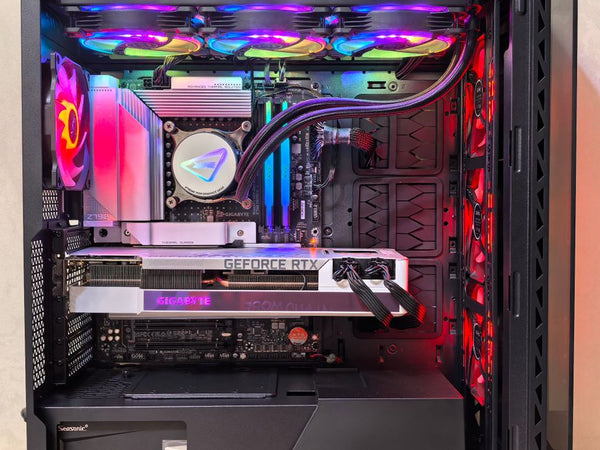
Honestly, I'm telling customers to buy 32GB now or plan for a painful upgrade later. Build your custom gaming PC with BitCrate and you can spec exactly the memory configuration that makes sense for your budget and timeline.
What Industries Are Fighting Back
The coalition pushing for government action includes automotive, telecommunications, and medical device manufacturers. These aren't gaming companies — they're industries where memory shortages mean real-world consequences. Car infotainment systems, 5G infrastructure, medical imaging equipment — they all need reliable memory supplies.
When your car's navigation system costs $500 more because of memory shortages, suddenly this isn't just a gamer problem. It's an economic problem affecting everyone.
The Uncertain Road Ahead
Will government intervention actually help? Maybe. The U.S. has been pushing chip manufacturing back onshore through the CHIPS Act, but new fabs take years to build. Samsung and SK Hynix are expanding production, but not fast enough to meet exploding AI demand.
There's also the wild card of AI efficiency improvements. If training algorithms get dramatically more memory-efficient, demand could stabilize. But betting on that feels like hoping for a miracle patch to fix a broken game.
The smart move? Assume memory prices stay elevated for the next 18-24 months minimum. Plan builds accordingly. Don't wait for prices to crash back to 2022 levels — they probably won't.
The memory shortage isn't just changing PC building economics. It's reshaping how we think about gaming performance, upgrade cycles, and future-proofing. Adapting now beats crying about prices later.











Leave a Comment