


Building the Perfect Retro Gaming PC: What Colin Porch's 37-Year Head Over Heels Journey Teaches Modern Builders
Colin Porch just dropped something incredible. The 80-something programmer finished and released the sequel to Head Over Heels—a game he started back in 1989 but shelved when the industry pivoted hard to consoles. Thirty-seven years later, he's back with the follow-up to one of the most beloved isometric puzzle adventures of the '80s.
This isn't just a feel-good story about persistence. It's a masterclass in why building a proper retro gaming PC matters more than ever, and what specs you actually need to honor gaming's legendary past while crushing modern titles.
Why Retro Gaming Demands Modern Hardware
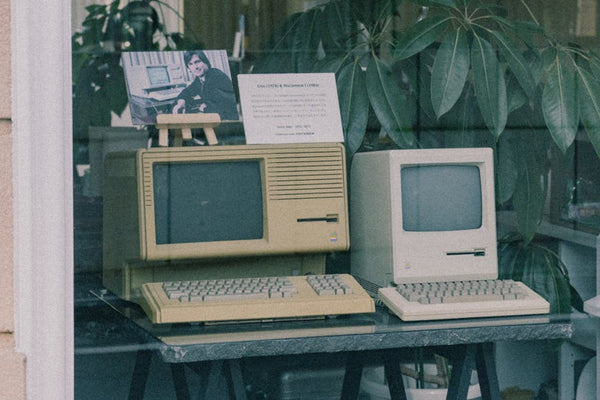
Here's the thing about retro gaming on PC—it's way more demanding than you'd think. Sure, the original Head Over Heels ran on an 8MHz Amstrad CPC with 64KB of RAM. Easy, right? Wrong.
Modern retro gaming means emulation. Perfect emulation. And emulation is brutally CPU-intensive.
Take MAME running late-'80s arcade hardware. You're not just running the game—you're simulating every transistor, every clock cycle of the original hardware in real-time. That CPS-1 board from 1988? Your modern CPU is working overtime to pretend it's a 68000 processor from four decades ago.
Personally, I think most people completely underestimate the horsepower needed for flawless retro gaming. Last week at TieredUp Tech here in Orange, TX, a customer came in wanting to build a "simple retro machine" with an entry-level CPU. Had to break it to him—accurate N64 emulation will make that budget chip cry.
CPU Requirements for Serious Retro Gaming
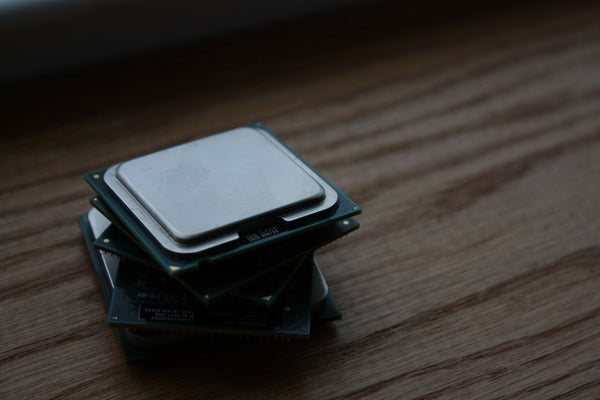
Want buttery-smooth emulation across all generations? You need single-core performance. Lots of it.
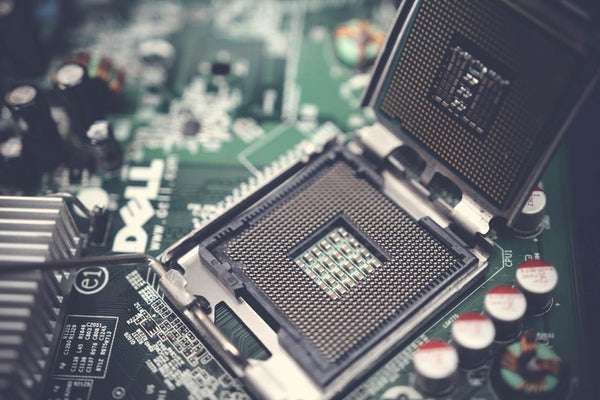
The Ryzen 7 7800X3D isn't just a gaming monster for Valorant and CS2. That massive L3 cache makes it absolutely lethal for emulation workloads. I've seen it handle demanding PSX and Saturn titles that choke lesser processors.
Intel's 13700K works too, but honestly? AMD's cache advantage gives it the edge for complex emulation scenarios. We're talking about maintaining perfect 60fps in games that were never meant to run on anything but their original silicon.
Pro tip: Single-core speed beats core count every time for retro gaming. That 8-core budget chip isn't helping when PCSX2 can only use two cores effectively.
The Custom Gaming PC Build That Handles Everything
Colin Porch's journey proves something crucial—good games are timeless, but the hardware to run them properly keeps evolving. Your ideal retro gaming rig needs to be a time machine and a powerhouse simultaneously.
The Foundation: Motherboard and Memory
DDR5-5600 minimum. Don't cheap out here. Emulation loves fast memory, and that extra bandwidth pays dividends when you're juggling multiple virtual machines or running texture enhancement mods.
B650 chipset hits the sweet spot for most builders. You get PCIe 5.0 for future-proofing without paying the X670E tax. Unless you're running triple GPUs (which, honestly, why?), B650 has everything you need.
Hot take: Skip the RGB on the motherboard. Put that money toward better components that actually impact performance.
Graphics: More Than You Think You Need
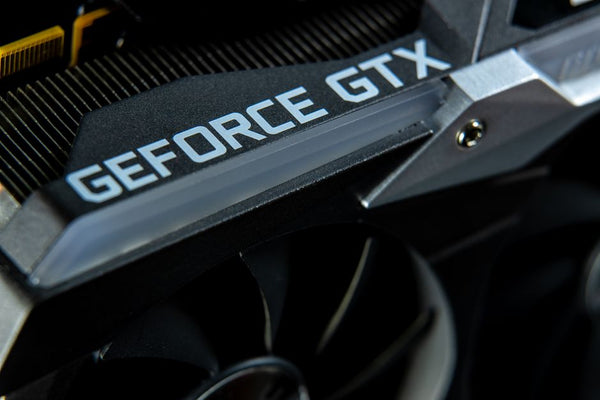
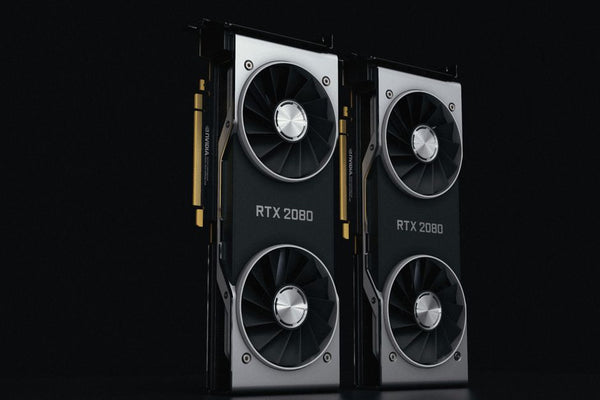
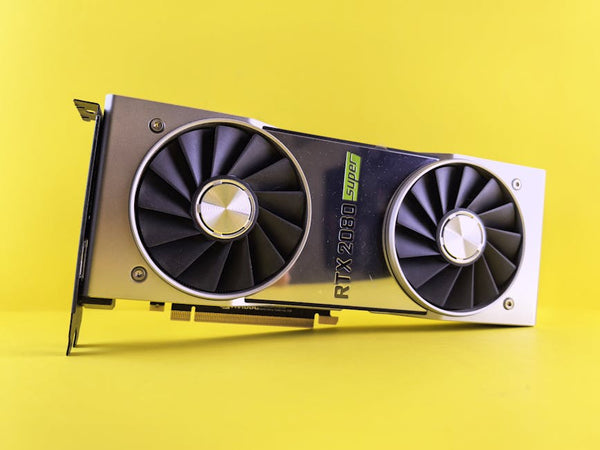
RTX 4070 Super. Hear me out.
Yeah, Head Over Heels doesn't need ray tracing. But modern retro gaming isn't just about playing originals—it's about enhancement. DLSS upscaling on classic titles. ReShade filters that make PSX games look gorgeous. Dolphin's HD texture packs that transform GameCube classics.
Plus you're future-proofing for actual modern games. When you want to hop from perfectly emulated Chrono Trigger to Cyberpunk 2077 at 1440p, you'll appreciate that extra VRAM.
Storage Strategy for Time Travelers
2TB NVMe SSD for your main drive. Game libraries get massive fast—especially when you're collecting every region variant of your favorite classics.
Second drive for ROM storage? Absolutely. Keep your legal backups organized on a dedicated 4TB HDD. Spinning rust is fine for ROM storage since load times don't matter much for 16-bit games.
Real Talk: What Actually Matters in 2024
Building a custom gaming PC for retro gaming means balancing nostalgia with practicality. You want perfect emulation, but you also want to play Baldur's Gate 3 without compromising.
The sweet spot? Around $1,800-$2,200 for a build that crushes both worlds. That gets you flagship-tier single-core performance, enough GPU horsepower for modern AAA gaming, and storage for your entire digital game library.
Honestly, I see too many builders go cheap on the CPU thinking "it's just old games." Then they hit Dreamcast emulation and wonder why Shenmue is stuttering. Don't be that person.
The Peripherals Nobody Talks About
Retro gaming needs proper controllers. Your mechanical keyboard isn't cutting it for Street Fighter 2. Invest in quality arcade sticks, 8BitDo controllers that feel authentic, maybe even original hardware with USB adapters.
Monitor matters too. High refresh rate helps with input lag in emulation, but you might want a secondary 4:3 display for authentic presentation. Some games just feel wrong in widescreen.
When helping customers build their custom gaming PC with BitCrate, I always ask about their retro gaming plans. Changes the entire component discussion.
The Colin Porch Factor: Why This Story Matters
Colin's 37-year development cycle proves something important—passion projects don't have expiration dates. But they do need proper hardware to run on.
His original 1989 setup couldn't handle today's enhanced versions of his own game. Modern ports, HD remasters, fan translations—they all demand more than their original hardware ever provided.
That's why building right matters. Your gaming PC build today needs to handle yesterday's classics and tomorrow's innovations. Will you still be gaming in 37 years? Maybe. But your hardware choices now determine how good that experience will be.
Colin Porch waited almost four decades to finish his vision. Don't wait another day to build the rig that honors gaming's past while embracing its future. The perfect custom gaming PC doesn't just play games—it preserves them for the next generation of players discovering these timeless experiences.









Leave a Comment