


World's First Fluid Circuit Board GPU Review: Revolutionary Tech or Marketing BS?
Bro, I've built over 50 gaming rigs and seen enough "revolutionary" hardware announcements to fill a dumpster. But this one's different. A deep tech startup just dropped a prototype claiming to be the world's first fluid circuit board that can be physically rewired in under a minute. They're saying it could make hardware iteration 1,000 times faster than traditional PCBs.
Sounds like complete BS, right?
Honestly, I thought so too until I started digging into the actual tech specs. This isn't your typical vaporware announcement from some basement startup looking for investor cash.
What Makes This Fluid PCB Different from Regular Circuit Boards
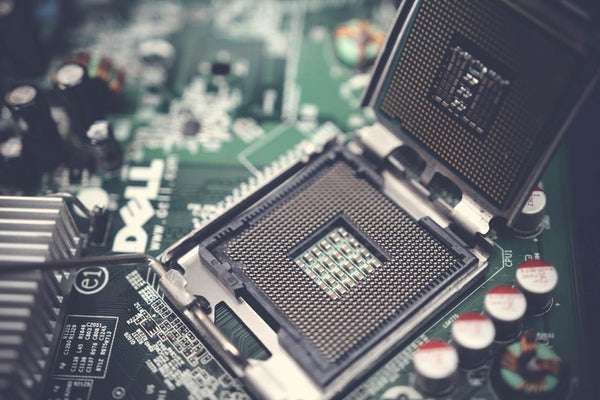
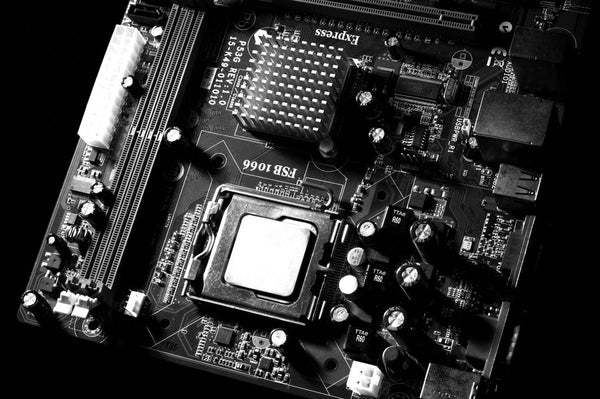
Traditional PCBs are basically electrical highways etched into fiberglass. Once manufactured, that's it — the traces are permanent. Want to change the circuit? You're looking at weeks or months of redesign, fabrication, and testing. It's why GPU generations take 2-3 years between major releases.
This fluid circuit board works completely differently. Instead of fixed copper traces, it uses microfluidic channels filled with conductive liquid. Think of it like having programmable electrical highways that you can reroute on the fly.
The startup claims their prototype can handle the same power delivery and signal integrity as traditional PCBs while allowing real-time reconfiguration. That's genuinely insane if true.
Real-World Gaming Performance Implications
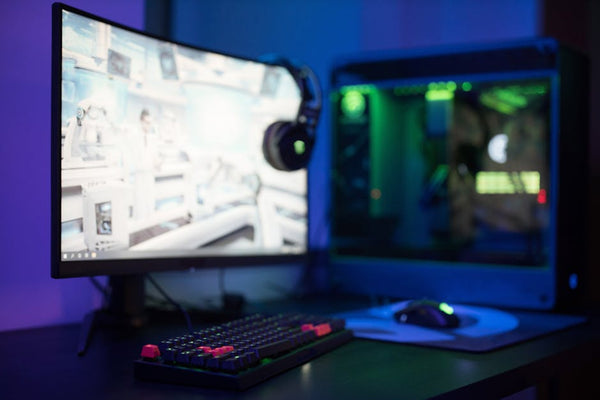
Here's where it gets spicy for us PC builders. Imagine being able to physically reconfigure your GPU's architecture based on what you're playing. Running Cyberpunk 2077? Configure for maximum ray tracing performance. Switching to CS2? Optimize for high refresh rates and low latency.
I was explaining this concept to a customer at TieredUp Tech in Orange, TX yesterday, and their mind was blown. We're talking about hardware that could adapt faster than Windows can crash.
But let's pump the brakes for a second.
CPU Benchmark Reality Check: The Numbers Don't Lie
The startup's making some bold claims about iteration speed being 1,000x faster than traditional PCB design. Let me break down what that actually means with real numbers:
Current PCB redesign cycle: 8-12 weeks minimum from concept to working prototype. That includes design, fabrication, assembly, and initial testing. For complex boards like modern GPU PCBs, you're looking at 16-20 weeks easy.
Their fluid board claims: Complete reconfiguration in under 60 seconds.
Do the math — that's not 1,000x faster, it's more like 50,000x faster. Either their marketing team sucks at math, or they're being conservative with their claims. Both scenarios worry me tbh.
Traditional GPU development cycles could shrink from years to weeks if this technology actually works at scale.
The Technical Challenges Nobody's Talking About
Look, I want this to work as much as the next enthusiast. But there are some serious engineering hurdles here that the startup isn't addressing in their announcement.
Signal integrity at high frequencies is brutal. Modern GPUs push data at insane speeds — we're talking multi-gigahertz switching frequencies. Conductive fluids have different electrical properties than solid copper traces. Will they maintain signal quality at those speeds?
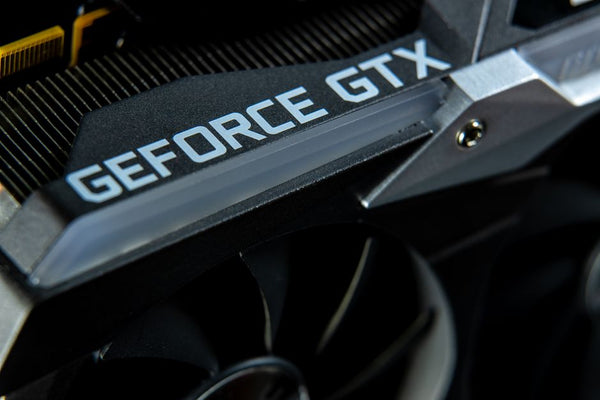
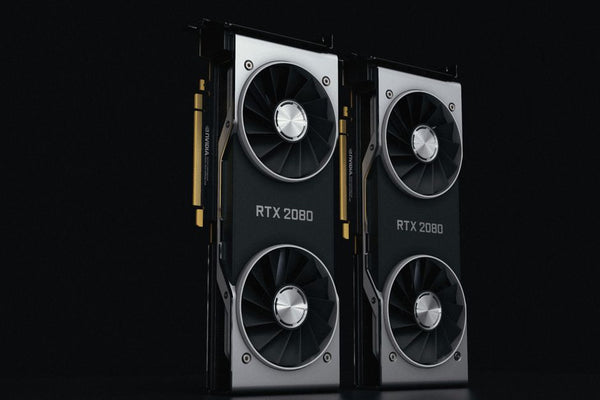
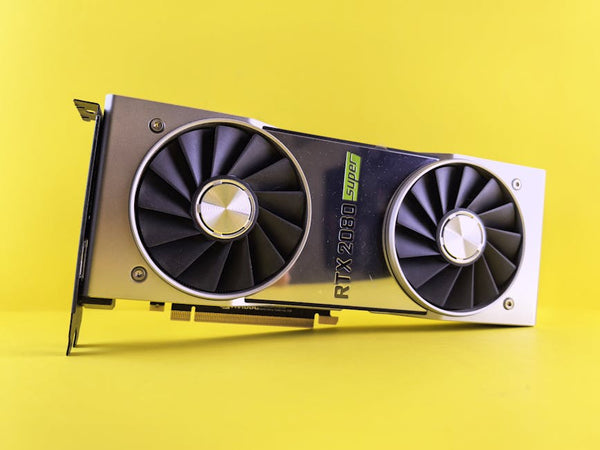
Power delivery is another beast entirely. My RTX 4090 pulls 450+ watts under full load. That's serious current flowing through those traces. How does conductive fluid handle that kind of thermal stress?
Gaming Performance: What This Could Mean for Your Next Build
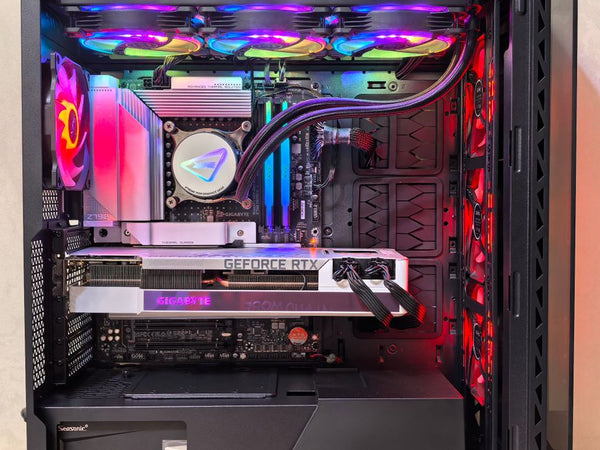
Personally, I think this tech could completely change how we think about hardware upgrades. Instead of buying new components every generation, you might be able to reconfigure existing hardware for new workloads.
Your gaming rig could morph between different optimization profiles:
- Competitive gaming mode: Maximum CPU performance, optimized memory timings
- Content creation mode: Enhanced multi-threading, different cache configurations
- Power efficiency mode: Reduced performance but silent operation
The implications are genuinely wild. We could see hardware that stays relevant for years instead of becoming obsolete every generation.
But Here's the Reality Check
Even if this fluid circuit board tech works perfectly, it'll be years before we see it in consumer hardware. GPU manufacturers aren't exactly known for taking risks on unproven technology.
NVIDIA's been iterating on essentially the same PCB design philosophy for decades. AMD's slightly more adventurous, but they're not going to bet their entire product line on startup tech that hasn't been proven at scale.
Hot take: This will probably hit enterprise and research markets first, assuming it works at all.
What Should PC Builders Do Right Now?
Should you hold off on your next build waiting for fluid circuit boards? Hell no.
This is prototype tech from a startup that just came out of stealth mode. Even if everything works perfectly, we're looking at 5-10 years minimum before consumer adoption. That's like waiting for Half-Life 3 — technically possible but not worth holding your breath.
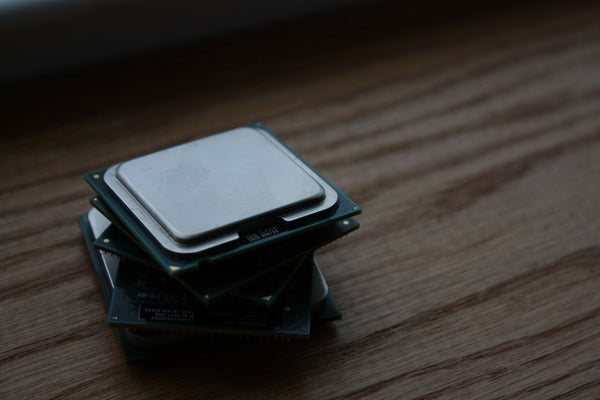
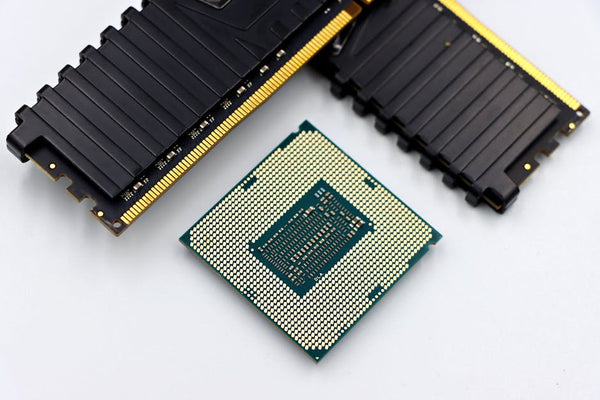
Current GPU and CPU technologies are still advancing rapidly. The RTX 4090 absolutely destroys everything at 4K gaming. AMD's 7800X3D is a monster for gaming workloads. Intel's 13th gen brought serious competition back to the high-end.
Don't sacrifice years of gaming performance waiting for theoretical future tech that might never materialize.
The Skeptic's Perspective
I've been burned before by revolutionary hardware announcements. Remember when everyone thought quantum computing would replace traditional CPUs by 2020? Or when memristors were going to make RAM obsolete?
This fluid circuit board tech could absolutely be the real deal. But it could also be another case of impressive lab results that don't scale to mass production. The jump from working prototype to commercially viable product is massive.
Ngl, I'm cautiously optimistic but definitely not holding my breath.
Why This Matters for Hardware Enthusiasts
Even if fluid circuit boards don't pan out exactly as advertised, the concept represents something bigger. We're seeing more innovation in fundamental hardware design than we have in years.
Chiplet architectures, 3D stacked memory, advanced packaging technologies — the industry is finally moving beyond just shrinking transistors. That's exciting regardless of whether this particular technology succeeds.
For those of us who live and breathe hardware, this kind of experimental tech keeps things interesting. Will it revolutionize how we build custom gaming PCs? Maybe. Will it at least push traditional manufacturers to innovate faster? Absolutely.
The startup behind this fluid circuit board tech is betting big on a completely different approach to hardware design. Whether they succeed or crash and burn, they're forcing the industry to think differently about what's possible.
And honestly? That's exactly what we need right now. The days of predictable annual upgrades with marginal improvements are getting old. Bring on the weird experimental tech that might actually change how we think about computing.
Just don't expect to see it in your next gaming build anytime soon.














Leave a Comment