


Microsoft's Surface Laptop Ultra: That 110W RTX Spark TDP Tells Us Everything We Need to Know
So Microsoft finally spilled some beans about their upcoming Surface Laptop Ultra, and honestly? The most interesting part isn't the fancy marketing speak—it's that 110W TDP target for the RTX Spark Superchip. This little detail tells us way more about the future of gaming laptops than any flashy presentation ever could.
I've been following this tech news closely because, let's be real, understanding power budgets is crucial when you're helping customers make smart buying decisions. And this 110W figure? It's going to shake up the entire portable gaming market.
Why 110W Actually Matters More Than You Think
Remember when gaming laptops were basically portable space heaters? We've come a long way. But here's what gets me excited about this 110W target—it's not just about the number itself.
Think about it this way: NVIDIA's RTX 4070 mobile typically runs between 85W-115W depending on the laptop manufacturer's implementation. Microsoft choosing 110W for their RTX Spark suggests they're targeting serious performance, not some watered-down ultrabook experience.
Hot take: This is Microsoft saying they want to compete with actual gaming laptops, not just premium productivity machines that can occasionally run games. The power budget tells the real story here.
What This Means for Desktop Builders
Now, you might be wondering why you should care about laptop specs when you're thinking about building a desktop. Fair question. But here's the thing—laptop thermal constraints often preview what's coming to desktop efficiency improvements.
When I'm working with customers at our Orange, TX location, I always explain how mobile GPU developments eventually trickle down to better desktop options. That RTX Spark architecture? You can bet similar tech will show up in future desktop cards with even higher power budgets and better cooling solutions.
Speaking of desktop builds, if you're looking at getting into PC gaming right now, common-tier builds starting under $800 will still outperform most gaming laptops for the next year or two. The price-to-performance just isn't even close.
The Real Competition Landscape
Let's talk about what Microsoft is really going up against. You've got Razer's Blade 15 series pushing similar TDP numbers, ASUS ROG laptops that can handle 115W+ graphics solutions, and even some MSI models that'll let you push thermal limits if you're willing to deal with the fan noise.
But here's where it gets interesting. Microsoft isn't just competing on raw power—they're betting on optimization.
The Surface ecosystem has always been about that premium experience, right? Tight hardware-software integration, minimal bloatware, actually decent customer support. If they can deliver RTX 4070-level performance in a form factor that doesn't scream "gamer laptop," that's genuinely compelling for a lot of people.
The Thermal Reality Check
Okay, time for some real talk. 110W in a 15-inch laptop? That's ambitious. Like, really ambitious.
I've seen too many customers get burned (literally and figuratively) by laptops that promise high-end performance but thermal throttle after twenty minutes of actual gaming. Will Microsoft's engineering team crack the code that so many others have struggled with?
Honestly, I'm cautiously optimistic. Microsoft's hardware team has gotten surprisingly good over the last few years. The Surface Pro series went from "interesting concept" to "actually usable," and their desktop hardware doesn't suck anymore.
But 110W is 110W. Physics doesn't care about your marketing budget.
Gaming Technology Implications Beyond Microsoft
Here's what really has me excited about this whole RTX Spark situation—it's going to force everyone else to step up their game. Pun intended.
When Microsoft drops a gaming laptop with serious specs, suddenly every other premium laptop manufacturer needs to justify their existence. Why would someone buy a $2,000+ Razer when the Surface might offer similar performance with better build quality and support?
This competitive pressure is exactly what the market needs. For too long, gaming laptops have been stuck in this weird space where you either get budget plastic fantastic machines or ultra-expensive boutique options with questionable reliability.
The middle ground—where most people actually shop—has been pretty disappointing.
What About Desktop GPU Pricing?
You know what's wild? If Microsoft can deliver solid gaming performance in a laptop at whatever price point they're targeting, it might actually help desktop GPU pricing. When laptops become genuinely competitive alternatives, desktop manufacturers can't just coast on the "well, at least we're better than laptops" excuse.
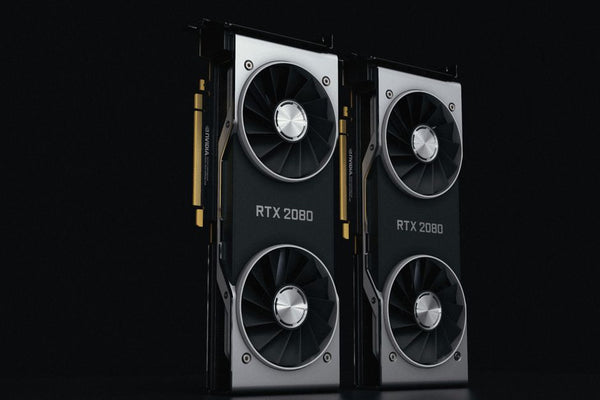
Plus, that RTX Spark tech will eventually make its way to desktop cards. Better efficiency, improved performance per watt, maybe even some Microsoft-specific optimizations that benefit Windows gaming across the board.
If you're building a new rig and want to future-proof your GPU choice, shop GPUs at TieredUp Tech might be smart timing. Current gen cards are solid, but knowing what's coming helps you make better decisions about whether to buy now or wait.
The Reality Check Nobody Wants to Hear
Look, I want the Surface Laptop Ultra to be amazing. Competition is good for everyone. But let's not kid ourselves about the challenges here.
Battery life is going to be... interesting. 110W under load means you're probably looking at 2-3 hours of actual gaming unplugged. Maybe less if you're pushing AAA titles at high settings.
Price is another elephant in the room. Microsoft's premium hardware pricing strategy means this thing probably starts at $2,500+. For that money, you could build a genuinely powerful desktop and still have cash left over for a decent ultrabook.
And then there's the question of upgradability. Spoiler alert: there probably won't be any.
Who's This Actually For?
Personally, I think the Surface Laptop Ultra is targeting a very specific customer. Someone who needs genuine gaming performance but also wants the flexibility of a laptop. Someone who values build quality and support over raw price-to-performance. Someone who's probably expensing it anyway.
Is that a big market? Maybe. But it's definitely an underserved one.
The RTX Spark's 110W target suggests Microsoft is serious about competing in this space, not just checking boxes for marketing purposes. Whether they can actually deliver on that promise remains to be seen, but the power budget shows they understand what it takes to play in the big leagues.
Time will tell if they can handle the heat—literally and competitively.










Leave a Comment