


Galax's Swarovski Crystal GPU: Beautiful Concept, Terrible Timing in Today's Market
Galax just dropped their "next generation" GPU concept featuring actual Swarovski crystals embedded in the cooler shroud, and honestly? I'm getting major vintage Magic: The Gathering foil card vibes — gorgeous to look at, but completely missing the point of what collectors actually want right now. The GPU market in 2026 isn't exactly screaming for more bling when most of us are still trying to justify spending $800 on mid-tier cards that were $300 just three years ago.
Don't get me wrong — the engineering is genuinely impressive. But this feels like Galax looked at the current state of GPU pricing and said "you know what this needs? More premium materials!" It's giving the same energy as releasing a $500 Commander deck when everyone's asking for budget Standard options.
What Galax Actually Built (And Why It's Stunning)
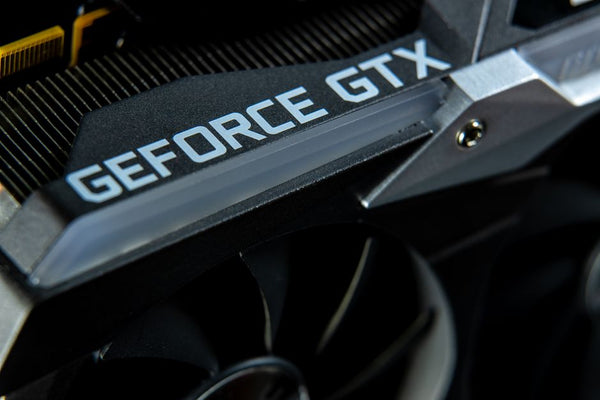
The concept card features genuine Swarovski crystals integrated into what appears to be a custom RTX 4080-class GPU. We're talking real crystals here, not some cheap RGB knockoff. The cooler design incorporates the crystals as both aesthetic elements and supposedly functional light diffusers for the RGB system underneath.
Ngl, the photos are absolutely stunning. The way light refracts through those crystals creates this prismatic effect that makes every other RGB setup look basic. Galax partnered with Swarovski's precision cutting team to create custom crystal shapes that follow the airflow channels of their Trinity cooler design. The attention to detail is insane — each crystal is positioned to maximize both visual impact and thermal performance.
From a pure craftsmanship perspective? This thing's a masterpiece. The crystal placement follows mathematical patterns that would make any MTG artist jealous. But here's where my enthusiasm hits a wall harder than a budget player seeing Reserved List prices.
The Pricing Reality Check
While Galax hasn't announced official pricing, industry insiders are suggesting this concept could retail anywhere from $2,500 to $3,000. For context, that's more than most people's entire gaming rigs. Just yesterday I was helping a customer at our shop here in Orange, TX spec out a solid 1440p gaming build, and their total budget was $1,800. This single GPU costs more than their dream setup.
Hot take: Galax fundamentally misread the room on this one. The GPU market in 2026 is already struggling with accessibility issues. We've got RTX 4060s selling for $400 when they should be $250 cards. Mid-range options are priced like yesterday's flagship cards, and now we're supposed to get excited about luxury crystals?
Gaming Performance vs. Premium Aesthetics
Here's the thing about GPU reviews and benchmarks — performance is still king. Those Swarovski crystals aren't going to boost your frame rates in Cyberpunk 2077 or make your ray tracing any smoother. Under the hood, this is essentially Galax's existing RTX 4080 Trinity with premium materials slapped on top.
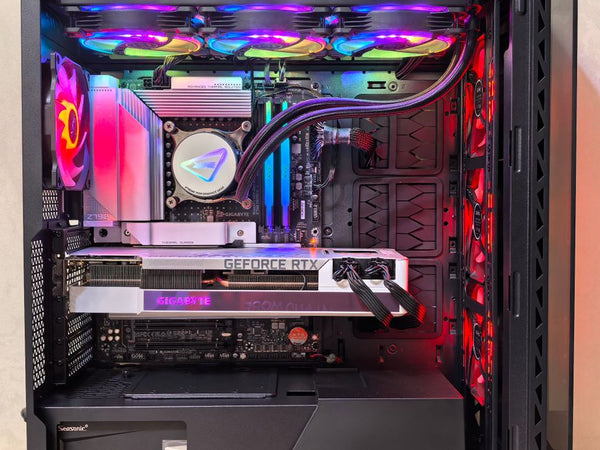
The base card already delivers excellent gaming performance at 1440p and decent 4K results. We're talking 80+ FPS in most modern titles at max settings. The cooling solution is legitimately top-tier, with those three 100mm fans keeping temperatures well under 75°C even during extended gaming sessions.
But let's be real — you're paying a $1,500+ premium for aesthetics that most people will see for about five seconds when they peek through their case window. It's like buying a Black Lotus just to play casual kitchen table Magic. Sure, it works, but you're paying for rarity and prestige that doesn't translate to better gameplay.
The RTX 4080 Trinity already costs $1,200 and delivers the same gaming experience as this crystal-encrusted version.
Who's Actually Buying This?
Honestly, I'm struggling to figure out the target market here. Enthusiasts who care about cutting-edge performance are going to wait for next-gen silicon. Budget-conscious gamers are priced out completely. That leaves us with collectors and showoff builds, which is an incredibly niche market for a major GPU manufacturer to chase.
Maybe there's a market for ultra-premium gaming setups among crypto millionaires and YouTubers building ridiculous rigs for content. The same people dropping $50,000 on Epic-Tier BitCrate builds ($2k+) might see this as the perfect capstone for their money-no-object gaming shrine.
The Market Timing Disaster
What makes this release particularly tone-deaf is the current state of GPU availability and pricing. We're finally seeing some relief from the cryptocurrency mining surge that destroyed pricing for years, but cards are still overpriced compared to historical norms.
Galax could've used their engineering resources to create a budget-friendly alternative or push price-to-performance ratios forward. Instead, they're going after the luxury market that frankly doesn't need more options. It's like Wizards printing another $300 Masters set when Standard desperately needs more affordable competitive decks.
The concept feels especially out of touch when you consider where gaming is heading. Cloud gaming is getting stronger, console performance is catching up to mid-range PCs, and more players are prioritizing value over flagship specs. Why chase the ultra-premium market when the future is about accessibility?
Technical Innovation vs. Market Needs
Don't think I'm completely dunking on Galax here — the technical innovation is genuinely impressive. The way they've integrated functional cooling with premium aesthetics shows serious engineering chops. The crystal placement isn't just random bling; each piece serves a purpose in the overall thermal design.
But innovation for innovation's sake isn't always the right move. Sometimes the market needs practical solutions more than flashy concepts. Right now, gamers need affordable cards that deliver solid 1440p performance without breaking the bank. They need reliability, efficiency, and value.
Personally, I think Galax's crystal GPU will become a collector's item for hardware enthusiasts, similar to limited-edition graphics cards from the past. Maybe fifty units will sell to YouTubers and extreme overclockers, and that'll be it. Meanwhile, everyone else will keep waiting for reasonable mid-range options at reasonable prices from shops like ours.
Look, I get the appeal of premium hardware. Sometimes you want the absolute best, regardless of cost. But timing matters in this industry, and 2026 isn't the year for $3,000 concept GPUs with luxury crystals. Save the bling for when the market's healthy again, Galax. We've got bigger problems to solve first.



















Leave a Comment