


SSD Prices About to Get Spicy: Why Biwin's $1.86 Billion NAND Deal Matters for Your Next GPU Review
Remember when RAM prices went absolutely bonkers back in 2017? Yeah, that nightmare scenario might be heading straight for your SSD upgrades. Biwin just locked themselves into a massive $1.86 billion, 24-month NAND supply agreement, and honestly? That's not the flex you think it is.
This move screams panic. Why would any company commit to nearly two billion dollars in memory components unless they're genuinely terrified about supply shortages? The spot market for NAND flash is getting sketchy, and manufacturers are scrambling to secure inventory before prices go full crypto-boom mode.
What This NAND Deal Actually Means for Your Gaming Performance
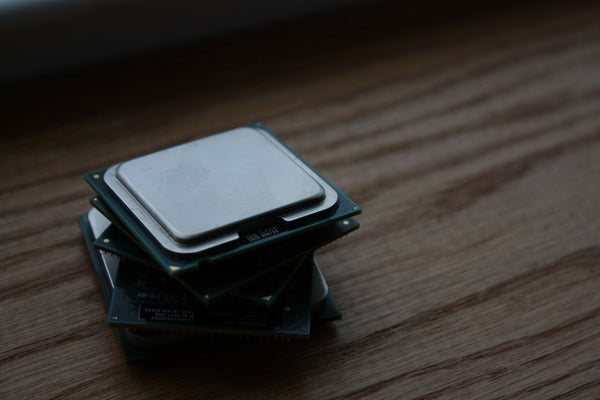
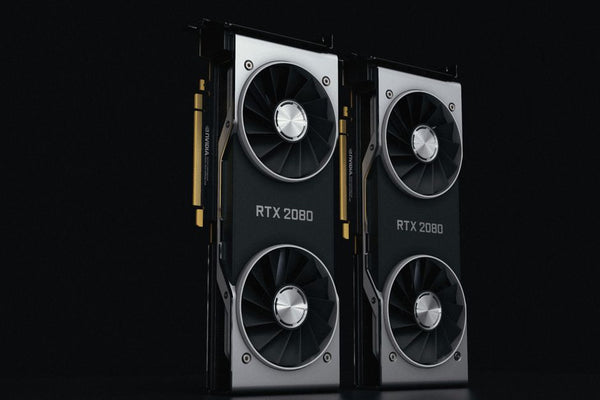
Here's the thing nobody's talking about straight up: your next CPU benchmark results are going to be heavily influenced by storage speed. I've watched too many customers obsess over getting the perfect RTX 4070 Ti while running games off a crusty old SATA SSD from 2018. That's like putting racing tires on a golf cart.
Biwin's massive commitment to fixed pricing suggests they're expecting NAND costs to spike hard. And when component costs spike? That pain gets passed directly to us consumers faster than you can say "DirectStorage."
The spot market is where manufacturers usually grab memory components on demand. Think of it like ordering food delivery versus meal prepping for a month. When that spot market starts drying up, companies panic-buy in bulk. Biwin just panic-bought enough NAND to fill a small warehouse.
Why Fixed Pricing Deals Are Both Genius and Terrifying
Personally, I think Biwin made the right call here, even if it makes me nervous about what they know that we don't. Fixed pricing over 24 months means they won't get hammered if NAND costs double next year. But it also means they're betting big that demand stays strong enough to move all that inventory.
What happens if the gaming market cools off? What if the next generation of consoles changes everything? Biwin's stuck with nearly two billion dollars worth of memory chips whether they can sell them or not. That's either brilliant hedging or spectacular overconfidence.
How SSD Shortages Could Wreck Your Next Build
Let me paint you a picture. You've been saving up for that dream build - maybe a Ryzen 7 7800X3D paired with an RTX 4080 Super. You've watched every GPU review, analyzed every CPU benchmark, and you're ready to pull the trigger. Then you discover that decent NVMe drives have doubled in price overnight.
Suddenly your $2000 build becomes a $2400 build. Or worse, you can't find the storage you want at any price.
I saw this firsthand when we had customers coming into our shop here in Orange, TX during the worst of the component shortages. People would have everything picked out except storage, assuming SSDs would be the easy part. Wrong. Dead wrong.
The Domino Effect Nobody Sees Coming
Here's what's really wild about this situation: it's not just about SSDs getting expensive. When storage costs spike, it changes how people approach entire builds. Customers start cheaping out on other components to afford the SSD they actually need.
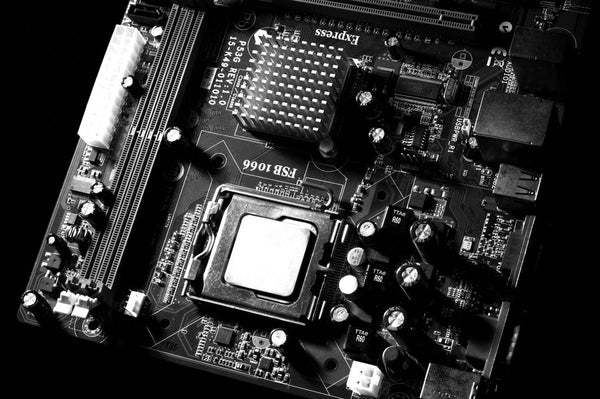
You think you're being smart by grabbing a budget motherboard to offset high storage costs? That budget board might not have the PCIe 4.0 slots you need for maximum gaming performance. Everything's connected, and shortages in one area create weird compromises everywhere else.
The spot market for NAND flash is showing signs of stress that haven't been seen since the height of component shortages in 2021-2022.
What Gamers Should Do Right Now
Hot take: if you're planning any major upgrades in the next six months, buy your storage first. Not your GPU. Not your CPU. Your SSD.
Why? Because graphics cards and processors have multiple suppliers and fierce competition. NAND flash? That's controlled by maybe five major players worldwide, and they all use similar manufacturing processes. When one supplier gets squeezed, everyone feels it.
I'm not saying panic-buy twenty SSDs and stick them in your closet. But if you've been eyeing that 2TB Gen4 drive for your games library, maybe don't wait for Black Friday this year.
The Smart Play for Budget Builders
Look, not everyone can afford to future-proof their storage situation. If you're building on a tight budget, consider this strategy: grab a solid 1TB drive now instead of waiting to afford the 2TB model later. You can always add a second drive when prices stabilize.
Is it ideal? Nope. But it's better than getting stuck with overpriced storage or, even worse, settling for SATA speeds because NVMe became too expensive. Your CPU benchmark scores will thank you for keeping fast storage in the equation.
Besides, most people think they need more storage than they actually do. How many of those 500 Steam games are you realistically going to play in the next year? Be honest.
The Bigger Picture: Why This Matters Beyond Gaming
Biwin's deal isn't happening in a vacuum. The entire tech industry is still dealing with supply chain weirdness left over from recent global events. Add in growing demand for AI infrastructure, data centers expanding like crazy, and everyone trying to build more efficient storage solutions.
What does this mean for your next gaming rig? Competition for the same NAND chips that go into your SSD is getting fierce from industries with way deeper pockets than gamers.
Think about it: when Microsoft or Google needs storage for their cloud infrastructure, they're not shopping around for the best deal on Newegg. They're writing checks that make Biwin's $1.86 billion look like lunch money.
The Uncertainty Factor
Here's where I'll admit I'm not totally sure what happens next. Maybe Biwin's deal signals the bottom of the market, and prices stabilize. Maybe it's just the beginning of a longer shortage cycle. The anonymous supplier in their deal makes it impossible to gauge whether this is desperation or just smart business.
What I do know is that waiting and hoping rarely works out when dealing with component shortages. Remember trying to buy a graphics card in 2021? Yeah, that energy.
Gaming Performance Won't Wait for Better Prices
The cold reality is that games keep getting bigger and more demanding regardless of storage prices. Starfield requires 125GB. Call of Duty installations routinely exceed 200GB. These aren't going to shrink because SSDs get expensive.
If anything, developers are doubling down on assumptions about fast storage. DirectStorage, smart delivery systems, texture streaming - all of this tech assumes you've got speedy NVMe drives feeding data to your system.
Running modern games off slow storage in 2024 is like trying to game on dial-up internet. Technically possible, but you're missing the point entirely.
So while everyone else is focused on the next GPU review or CPU benchmark, maybe it's time to think about the component that actually determines whether all that expensive hardware can do its job. Because what good is a $1000 graphics card if it's sitting there waiting for textures to load from your ancient hard drive?
The NAND shortage train is already leaving the station. The question isn't whether storage prices will spike - it's whether you'll be ready when they do.
Looking for the right setup? Check out Phone & Tablet Repair — Orange TX — built right here in Orange, TX.













Leave a Comment