


Samsung's 360Hz 4K QD-OLED Gaming PC Build Game-Changer: What This Means for Your Next Custom Gaming PC
Samsung just dropped a bombshell. We're talking about the world's first 360Hz 4K QD-OLED panel coming in 2026. But here's the kicker — this beast also runs 680Hz at 1080p. Holy frames, Batman.
I've been building custom gaming PCs for years, and tbh, this announcement has me more hyped than a kid on Christmas morning. When Samsung says they've got 10 customers already lined up for this tech, you know it's the real deal. These aren't your average office monitor buyers — we're talking premium gaming monitor manufacturers who see dollar signs and competitive advantages.
The Numbers That Matter for Gaming PC Build Planning
Let's break this down. 360Hz at 4K native resolution. Not upscaled. Not some weird temporal trick. Pure, unadulterated pixel perfection.
For context, my current ASUS PG27AQN caps out at 360Hz but only at 1080p. To get 4K, I'm dropping down to 144Hz on most premium panels. That's a massive jump we're looking at here.
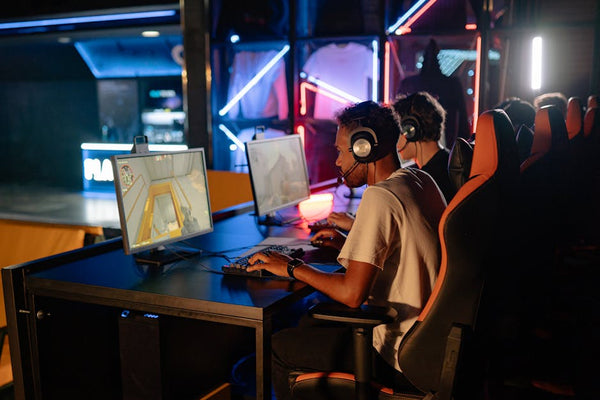
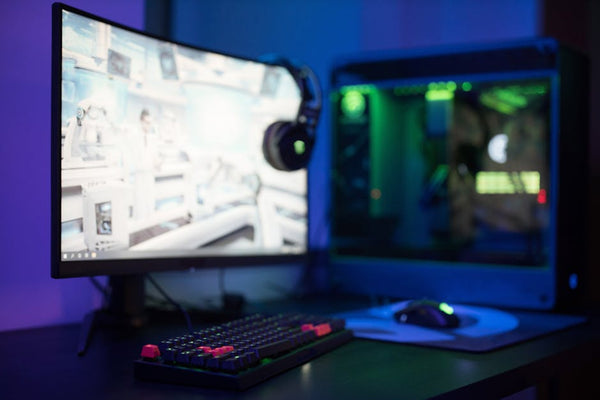
But wait — 680Hz at FHD? That's actually insane. Counter-Strike pros are gonna lose their minds. We're talking input lag so low it's practically telepathic. Personally, I think this dual-mode approach is genius. Want the eye candy? Crank 4K. Need every competitive edge? Drop to 1080p and watch those frames fly.
QD-OLED Technology: Why It Actually Matters
Here's where Samsung gets spicy. QD-OLED combines quantum dots with OLED tech. Result? You get OLED's perfect blacks and instant response times, plus quantum dot's superior color volume and brightness.
I've tested plenty of gaming monitors, and current QD-OLED panels like the Samsung Odyssey G8 already blow my mind with their 0.1ms response times. Now imagine that same tech pushing 360Hz at 4K. We're entering territory where the display is no longer the bottleneck — your GPU is.
What This Means for Your Next Custom Gaming PC Build
This monitor announcement changes everything about high-end gaming PC planning. You can't just throw together a mid-tier build and expect to feed this monster.
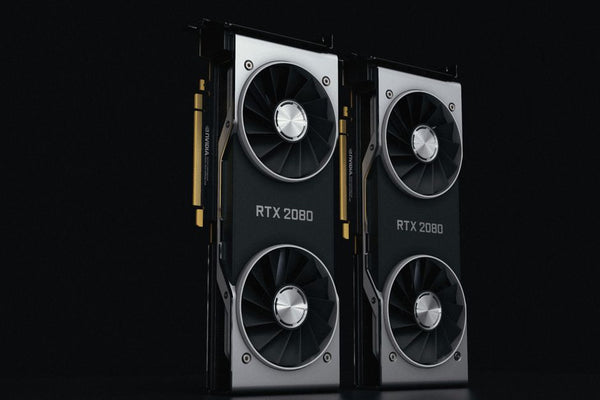
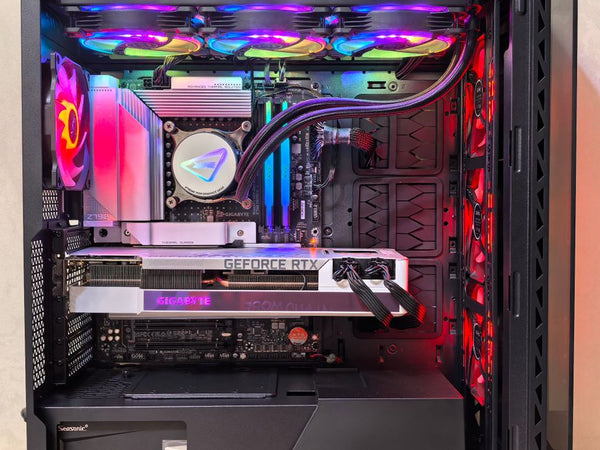
To actually utilize 360Hz at 4K, you're looking at some serious hardware requirements. We're talking RTX 5090 territory, maybe even dual-GPU setups for certain titles. Even then, competitive FPS games like Valorant or CS2 might be the only genres hitting those framerates consistently.
Hot take: Most gamers won't need this level of performance. But for the 1% pushing esports boundaries or content creators who demand the absolute best, this is their holy grail.
The Reality Check: Can Your Build Handle It?
Let me paint a picture. Running Cyberpunk 2077 at 4K with ray tracing? Even an RTX 4090 struggles to hit 100fps with DLSS enabled. Now multiply that challenge by 3.6x to reach 360fps. Yeah, not happening anytime soon.
But here's the thing — you don't always need maximum frames. The 680Hz at 1080p mode is where competitive gamers will live. Titles like Valorant, CS2, and Rocket League can actually push those framerates on high-end hardware.
When I was helping a customer at our Orange, TX shop configure their BitCrate Custom Gaming PCs build last week, they asked about future-proofing for upcoming displays. This Samsung announcement perfectly illustrates why investing in top-tier hardware matters.
The Competitive Gaming Advantage
Does 360Hz really matter for gaming? Honestly, the difference between 240Hz and 360Hz is subtle for most players. But when money's on the line in esports, every microsecond counts.
Professional CS2 players already notice the jump from 144Hz to 240Hz. Those extra frames provide smoother tracking, reduced ghosting, and marginally better input responsiveness. Will 360Hz provide the same leap? Probably not as dramatic, but still noticeable for trained eyes.
The real magic happens in that dual-mode capability. Imagine switching between immersive single-player 4K gaming and competitive esports at 680Hz with a simple settings toggle. That's versatility we've never seen before.
Price and Availability Reality Check
Samsung's keeping pricing details close to their chest, but we can make educated guesses. Current 240Hz 4K monitors cost $1,500-2,500. This new tech? Expect $3,000+ easily.
The 2026 launch window also means we're looking at limited initial availability. Early adopters will pay premium prices, while mainstream adoption won't happen until 2027 or later.
Ngl, that timeline works in our favor. It gives GPU manufacturers time to catch up with displays that can actually feed these monsters properly.
Building Your PC Build Guide Around Future Display Tech
So how do you plan a custom gaming PC build knowing this tech is coming? Focus on flexibility and upgradeability.
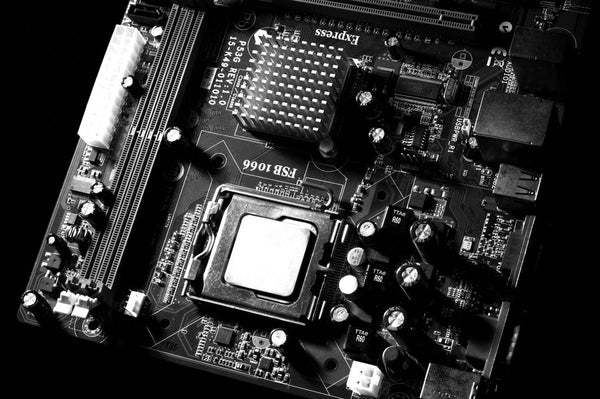
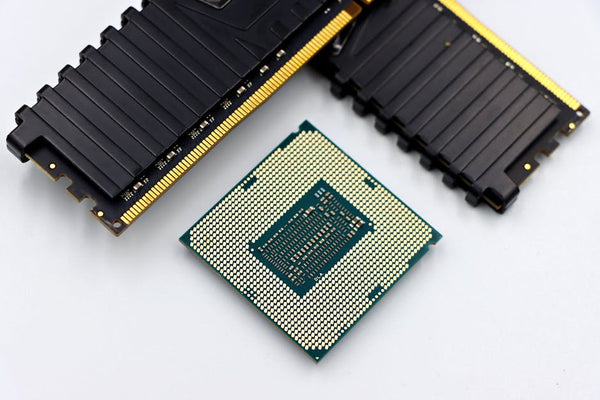
Invest in a robust CPU that won't bottleneck future GPUs. The AMD 7800X3D or Intel 14900K provide excellent high-refresh gaming performance. Pair that with fast DDR5 memory — 32GB at DDR5-6000 speeds minimum.
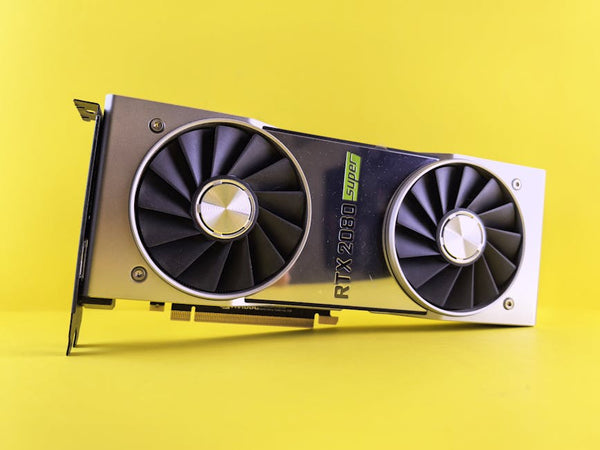
For GPUs, consider this a transitional period. Current flagship cards will handle the 680Hz 1080p mode beautifully but struggle with 360Hz 4K. Plan for an upgrade cycle that aligns with next-gen GPU releases.
Honestly, I'm more excited about what this means for the broader monitor market. When Samsung sets the bar this high, competitors scramble to match or exceed it. We'll see rapid innovation across all price tiers.
The Bigger Picture: What Comes Next?
This announcement signals where the industry is heading. We're approaching the theoretical limits of human visual perception, but that won't stop manufacturers from pushing boundaries.
Will we see 480Hz 4K panels by 2028? Variable refresh rate technology that adapts frame-by-frame? The possibilities are endless, and frankly, a bit overwhelming.
For now, this Samsung panel represents the bleeding edge of display technology. It's a statement piece that says "we can build anything." Whether the market actually needs 360Hz at 4K is another question entirely.
But let's be real — when has the gaming community ever said no to more frames? This tech will find its audience, even if that audience is relatively small initially.
The next two years will determine whether this becomes the new standard or remains a niche luxury. Either way, Samsung just raised the stakes in a big way, and I'm here for every pixel of it.











Leave a Comment