


Google Drops Nearly $1B Monthly for SpaceX GPU Farm — Gaming Tech News That Actually Matters
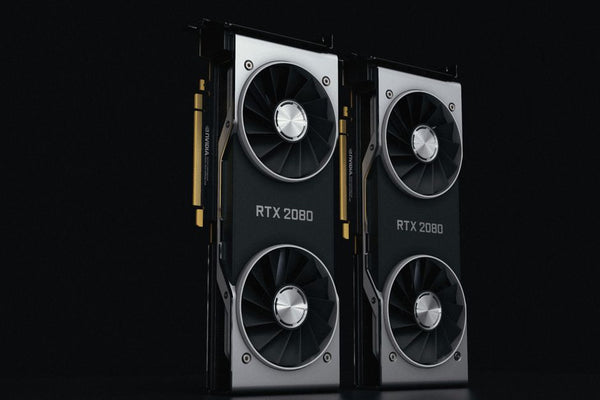
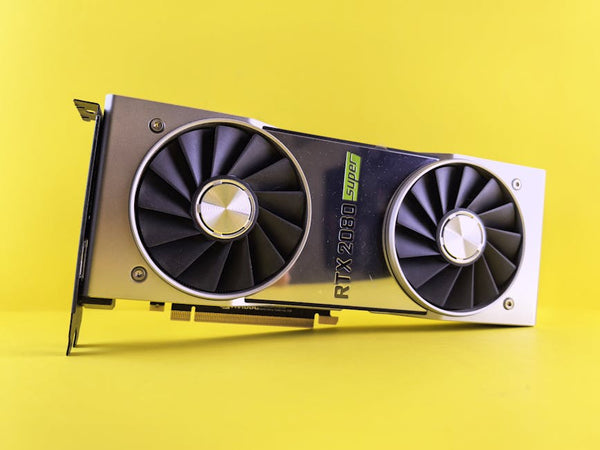
Holy shit, Google just signed a $920 million monthly deal with SpaceX for compute power. That's not a typo, bro — nearly a billion dollars every single month starting October 2026. We're talking about 110,000 Nvidia GPUs that'll make your RTX 4090 look like a calculator watch.
This tech news just dropped and it's got me thinking about where gaming technology is headed. Because when mega-corps start throwing around money like this, it usually trickles down to us regular humans eventually.
The Numbers Are Actually Insane
Let's break this down. $920 million monthly equals over $11 billion annually just from Google alone. To put that in perspective, SpaceX's projected data center revenue for 2025 is expected to exceed their combined income from Starlink satellites, rocket launches, AND AI services. Combined.
That's wild. A company known for shooting rockets is about to make more money from data centers than, well, shooting rockets.
The timing isn't coincidental either. SpaceX is gearing up for their IPO on June 12, 2026, and landing massive contracts like this definitely sweetens the deal for potential investors. Smart move, honestly.
What 110,000 GPUs Actually Means
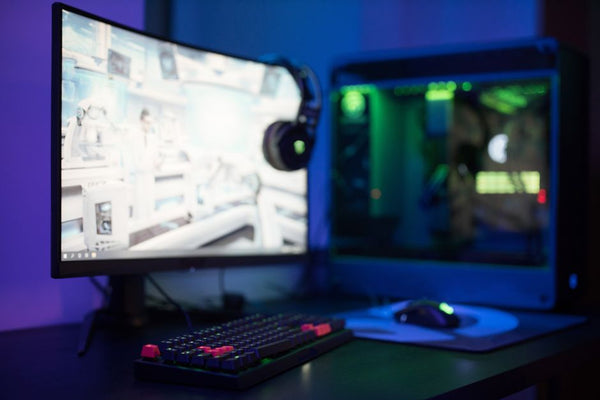
Okay, so 110,000 GPUs sounds impressive, but what does that actually look like? For context, most gaming builds use one GPU. Maybe two if you're feeling fancy and have money to burn. I've built systems with four GPUs for some cryptocurrency miners back in the day, but even that was overkill for most applications.
This SpaceX facility is essentially 27,500 times more powerful than a quad-GPU gaming rig. The power consumption alone is probably enough to light up half of Texas. Good thing they're launching this in space, right? Wait, no — these are terrestrial data centers.
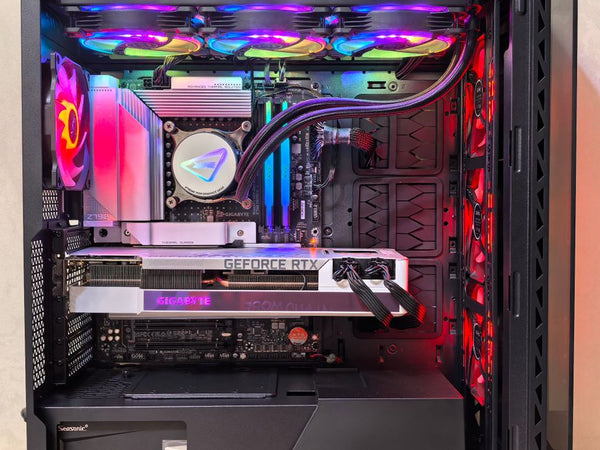
When I was helping a customer at our shop in Orange, TX last week configure their Epic-Tier BitCrate builds ($2k+), they asked about future-proofing their system. Honestly? With the way compute demands are scaling, even top-tier gaming rigs might feel quaint in a few years.
Why This Gaming Technology Shift Actually Matters for Us
You might be wondering why you should care about some corporate deal between Google and SpaceX. Fair question. But this stuff has real implications for gaming tech.
Cloud Gaming Is Getting Serious Backing
Google's been pushing Stadia (RIP) and now they're clearly not giving up on cloud gaming. With this kind of compute power, they could theoretically stream AAA games at 4K 120fps with raytracing to any device with an internet connection.
That's simultaneously awesome and terrifying. Awesome because it means better gaming experiences for people who can't afford a $3,000 gaming PC. Terrifying because it could make local gaming hardware less relevant.
Personally, I think local hardware will always have a place. There's something about owning your own beastly gaming rig that cloud services can't replicate. Plus, internet outages are still a thing, and I've yet to meet a gamer who trusts their ISP completely.
GPU Availability Might Actually Improve
Here's a hot take: massive corporate GPU purchases might actually help gaming GPU availability. How? Economics, bro.
When companies like Google commit to buying 110,000 GPUs, Nvidia gets predictable revenue streams. That allows them to invest more in manufacturing capacity. More capacity generally means better availability for consumer cards.
Or it could go the other way and make GPUs even scarcer. Honestly, I'm not sure which scenario is more likely. The GPU market has been a rollercoaster since 2020, and predicting it feels like trying to predict crypto prices while drunk.
The Ripple Effects Are Already Starting
This isn't SpaceX's first rodeo with data centers. They've apparently secured multiple deals in recent weeks, all conveniently timed before their IPO. Smart business, even if it feels a bit calculated.
But what's genuinely interesting is how this might change the entire landscape. If SpaceX can make more money from data centers than rockets, other aerospace companies are probably taking notes. Blue Origin data centers, anyone?
What This Means for Gaming Hardware Prices
Look, I've been building PCs for over a decade, and one thing I've learned is that enterprise demand always affects consumer pricing. When crypto miners were buying every GPU in sight, gaming cards became stupid expensive. When AI companies started hoarding H100s, it created supply chain pressure that trickled down.
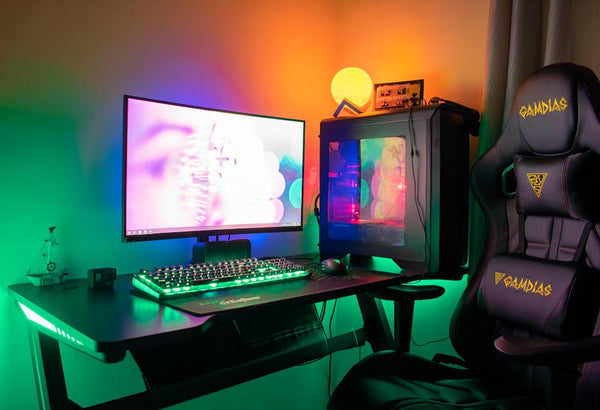
This SpaceX deal represents a new level of corporate GPU demand. Will it make RTX 5080s more expensive when they eventually launch? Probably. Will it also accelerate innovation in gaming hardware? Also probably.
The good news is that competition breeds innovation. AMD and Intel are both pushing hard in the GPU space, so we might see more options even if individual cards cost more.
The Bigger Picture for Tech Enthusiasts
Beyond the immediate gaming implications, this deal signals something huge about where technology is headed. We're transitioning from an era where individual devices were the limiting factor to one where massive cloud infrastructure does the heavy lifting.
That doesn't mean your gaming PC is obsolete. Far from it. But it does mean the definition of "high-end gaming" might change dramatically over the next few years.
Think about it: if Google can stream games that would normally require a $4,000 gaming rig for $20 a month, what happens to the mid-tier gaming market? Will people still buy $1,500 graphics cards, or will they just subscribe to cloud gaming services?
Ngl, I'm conflicted about this. Part of me loves the democratization aspect — anyone with decent internet could play Cyberpunk 2077 with max settings. But another part of me thinks there's something lost when you don't own your hardware.
Local vs Cloud: The Gaming Philosophy Question
Here's where things get philosophical. Is gaming about the experience or the hardware? For enthusiasts like us, building and upgrading PCs is half the fun. There's satisfaction in researching components, planning builds, and watching your FPS counter hit new highs.
Cloud gaming eliminates all of that. It's convenient, sure, but it's also... sterile? You're essentially renting someone else's computer to play games. That's not necessarily bad, but it's different.
Maybe the future is hybrid. Local hardware for serious gaming, cloud services for casual play or trying new games. Or maybe I'm just being nostalgic about the "good old days" of manually overclocking GPUs.
This Google-SpaceX deal represents more than just a business transaction. It's a glimpse into a future where the most powerful gaming hardware isn't sitting on your desk, but floating in orbit or buried in some massive data center. Whether that's progress or just change remains to be seen, but one thing's certain: the gaming landscape five years from now is going to look very different from today.
Looking for the right setup? Check out Epic-Tier BitCrate builds ($2k+) — built right here in Orange, TX.











Leave a Comment