


Linux x32 Mode Gets the Axe: What This Means for Your Gaming PC Build
So Linux is about to ditch x32 mode completely. Yeah, that weird hybrid 32-bit/64-bit architecture nobody really used anyway. By 2027, it's getting the boot from the kernel entirely. Why should you care when you're building your next custom gaming PC? Honestly, you probably don't need to stress about it, but there's some good stuff to unpack here about future-proofing your rig.
Let me back up. What even is x32 mode? Think of it as Linux's awkward middle child that never quite fit in anywhere. It was supposed to give you the memory efficiency of 32-bit with some of the performance benefits of 64-bit. Sounds cool in theory, right? Problem is, almost nobody adopted it. We're talking about an architecture that's been around for over a decade and still feels like a tech demo.
Why x32 Mode Failed to Launch
Remember when everyone was freaking out about the transition from 32-bit to 64-bit? That happened around 2003-2005 for most consumer hardware. By the time x32 showed up in 2012, we'd already moved on. It's like showing up to a party when everyone's already gone home.
I've been building gaming PCs for years, and honestly? I can count on one hand how many times someone's asked me about x32 compatibility. Zero times. That's how often. When you're spec'ing out a gaming PC build, you're thinking about GPU power, CPU cores, RAM speed – not some niche ABI that maybe three developers worldwide actually use.
The writing was on the wall. Even major distributions barely supported it. Ubuntu dropped x32 packages years ago. Debian kept it around but treated it like that relative you invite to family dinners out of obligation.
What This Actually Means for Gamers
Here's the hot take: this changes absolutely nothing for 99.9% of gamers. Your Steam library? Still works. That Epic-Tier BitCrate build you've been eyeing? Still gonna crush everything at 4K. Modern games are built for x86-64 architecture, period.
But let's dig deeper. Why are Linux devs making this move now? Simple – maintenance burden. Every line of code in the kernel needs testing, debugging, and updates. x32 was eating developer time for essentially zero benefit. It's like keeping a broken arcade cabinet in your store that nobody plays but still takes up space.
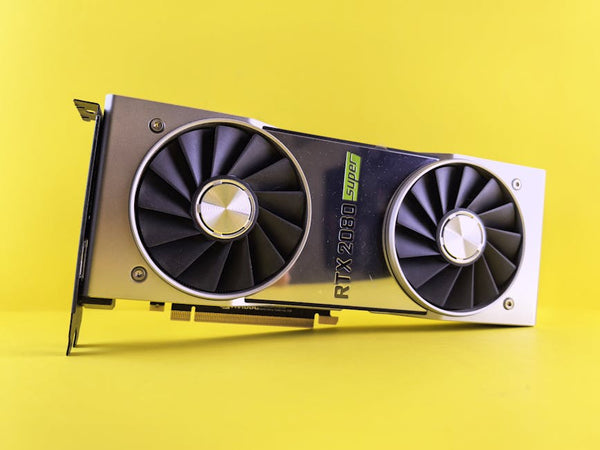
When I was helping a customer at our Orange, TX shop last week configure their Linux gaming setup, we talked about this exact issue. He was worried about compatibility down the road. Dude, if you're building a gaming rig in 2024, you're already on 64-bit everything. Your Ryzen 7 7800X3D? 64-bit. Your RTX 4070? Designed for 64-bit systems. Even budget builds are running pure 64-bit these days.
The Real Future-Proofing Questions for Gaming PC Builds
Want to know what you should actually worry about when planning your custom gaming PC? Let's talk about stuff that matters. DDR5 adoption is accelerating. PCIe 5.0 SSDs are becoming mainstream. RDNA 4 and RTX 5000 series are around the corner.
Those are real considerations. Not some legacy mode that was basically DOA from day one.
Personally, I think this move shows Linux getting serious about streamlining. They're cutting the dead weight. It's actually a good sign if you're planning to game on Linux long-term. Less cruft means better performance, fewer bugs, cleaner code. The Steam Deck proved Linux gaming is viable – but it's running standard x86-64, not x32.
What About Legacy Software?
Okay, but what if you've got some ancient game or productivity app that somehow relies on x32? First question: does it actually exist? I'm not being sarcastic here – finding software that specifically targets x32 is like finding a unicorn. Most legacy 32-bit software just runs in compatibility mode on 64-bit systems.
If you're genuinely worried about running old software, virtualization is your friend. Spin up an older Linux distro in VirtualBox or VMware. Problem solved. You're not gonna tank your whole system's performance for hypothetical compatibility issues.
"The x32 ABI has seen little adoption since its introduction over a decade ago, making its removal a logical step forward." - Linux Kernel Developers
This isn't like when Microsoft killed Internet Explorer or when Apple ditched 32-bit apps. Those moves affected millions of users. x32 removal? It's more like discontinuing a product that sold twelve units total.
Building Smart for the Next Five Years
So what should you actually focus on when planning your PC build guide strategy? Start with the basics that matter. AMD's AM5 platform supports DDR5 and has upgrade paths through 2025. Intel's LGA 1700 is solid but they're already transitioning to LGA 1851.
GPU-wise, we're seeing crazy efficiency improvements. The RTX 4060 draws 115 watts and outperforms cards that used to need 250+ watts. That trend continues with next-gen hardware. Your PSU requirements might actually go down, not up.
Storage is where things get interesting. PCIe 4.0 SSDs are dirt cheap now. The Samsung 980 Pro 1TB regularly hits $80-90. By 2027, when x32 officially dies, we'll probably be on PCIe 6.0 and wondering why we ever worried about loading times.
RAM prices are weird right now. DDR4 is cheap because it's end-of-life. DDR5 costs more but it's the future. Tough call. If you're building budget, DDR4 makes sense. If you're going high-end, DDR5 is the play.
The Real Compatibility Concerns
You know what actually breaks compatibility? Windows 11's TPM requirements. That affected way more people than x32 removal ever will. Secure Boot changes. UEFI replacing legacy BIOS. Those are the real shifts that impact how you build systems.
Linux distros are getting better at hardware support, not worse. My old Nvidia GTX 1060 works better on Ubuntu 24.04 than it did on Windows 11. Driver situation has improved massively. Even AMD's latest GPUs have day-one Linux support now.
Honestly, the biggest compatibility risk for gaming PCs isn't some obscure kernel ABI. It's developers dropping support for older DirectX versions or publishers shutting down online services. Remember when GameSpy died and took half the internet multiplayer games with it?
The Bottom Line for Builders
Linux axing x32 mode is housekeeping, not a crisis. Your gaming PC build won't suddenly become obsolete. Your favorite games won't stop working. If anything, you'll get better performance as the kernel drops unnecessary baggage.
Should you factor this into your build decisions? Nah. Factor in real stuff. How much VRAM do you need for 1440p gaming? Is 32GB of RAM overkill or future-proofing? Will your motherboard support next-gen CPUs?
Focus on the fundamentals. Solid PSU. Good cooling. Fast storage. Everything else is just noise. By the time 2027 rolls around and x32 officially disappears, you'll probably be planning your next upgrade anyway. Technology moves fast – but not usually in directions that make your current hardware obsolete overnight.
The real takeaway? Build for today's games with an eye toward tomorrow's. But don't lose sleep over legacy modes that nobody used anyway. Your rig will be fine.
Looking for the right setup? Check out Epic-Tier BitCrate builds ($2k+) — built right here in Orange, TX.













Leave a Comment