


Orpheus II ISA Sound Card Tech News: The Retro Gaming Holy Grail Returns
Holy crap, bro — the Orpheus II ISA sound card is back by "popular demand," and honestly? This might be the most niche yet absolutely essential piece of gaming technology to drop this year. We're talking about a card that's specifically targeting DOS and early Windows users, because apparently there's enough of us weirdos still running Doom on a 486 to justify bringing this beast back from the dead.
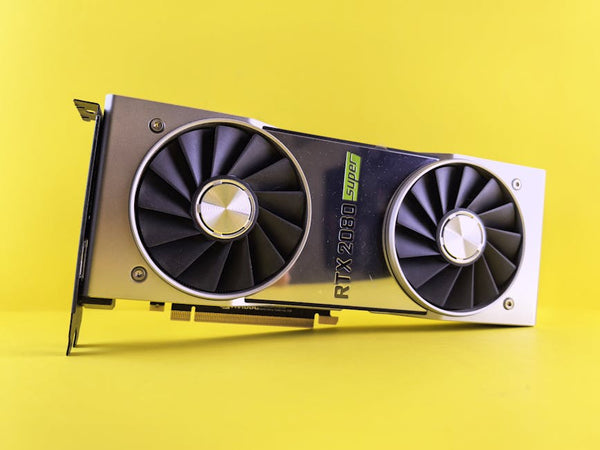
Let me be real with you. This isn't your typical tech news story about the latest RTX whatever or some overpriced motherboard with RGB everything. This is for the absolute legends who refuse to let retro gaming die.
What Makes the Orpheus II Different from Modern Gaming Technology
The Orpheus II isn't trying to compete with modern audio solutions. It's doing something way more specific and arguably more important — it's giving you every major audio standard from the golden age of PC gaming in one card. Sound Blaster compatibility? Check. Gravis UltraSound support? You bet. OPL3 FM synthesis that'll make your AdLib games sing? Absolutely. MPU-401 MIDI support for those sick Roland MT-32 soundtracks? They got you covered.
This is genuinely impressive engineering when you think about it. Most ISA sound cards back in the day picked a lane and stayed there. Creative Labs dominated with Sound Blaster, Gravis had their UltraSound thing going, and everyone else was fighting for scraps. The original Orpheus tried to be everything to everyone, and now the sequel is back with the same ambitious goal.
But here's the thing that gets me excited — we're not talking about software emulation or some half-assed compatibility layer. This card has dedicated hardware support for each standard. That means when you fire up Wing Commander or Monkey Island, you're getting the authentic audio experience that developers intended, not some approximation.
The DOS Gaming Revival Nobody Expected
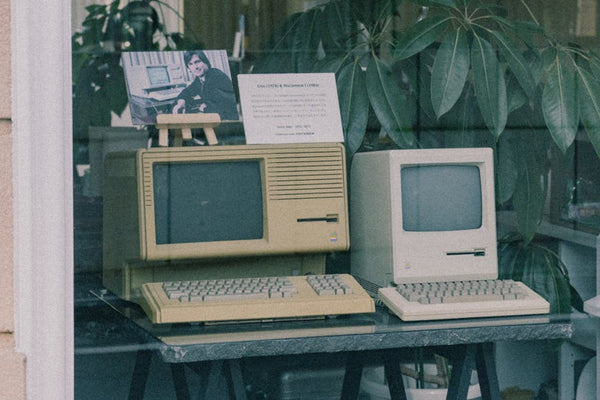
Why would anyone care about this in 2024? Great question. The retro gaming scene has absolutely exploded over the past few years, and DOS gaming specifically has seen a massive renaissance. GOG's been killing it with classic releases, DOSBox has gotten insanely good, and people are building dedicated retro rigs just to experience games the way they were meant to be played.
I've seen this firsthand working with customers here in Orange, TX — people are dropping serious money on period-correct hardware. Not because they have to, but because they want that authentic experience. There's something magical about hearing the original Sound Blaster Pro audio in Command & Conquer that just hits different than playing it through modern speakers.
The problem is finding compatible hardware that actually works. Most ISA sound cards from the '90s are either dead, stupidly expensive on eBay, or have compatibility issues with certain games. The Orpheus II solves this by being brand new hardware that supports literally everything.
Tech Specs That Actually Matter for Retro Gaming
Let's talk numbers because that's what matters. The Orpheus II supports:
- Sound Blaster Pro and Sound Blaster 16 compatibility
- Gravis UltraSound with 1MB onboard RAM
- AdLib and OPL3 FM synthesis
- MPU-401 MIDI interface
- 16-bit 44.1kHz digital audio
That might not sound impressive compared to modern audio interfaces that push 192kHz/32-bit, but for DOS gaming? This is the holy grail. You can run literally any game from 1985 to 1998 and get proper audio support without having to mess around with different cards or settings.
Personally, I think the Gravis UltraSound support is the real killer feature here. The GUS was incredible for its time but had terrible market penetration. Games that supported it sounded absolutely phenomenal — Doom's audio through a real GUS is something every PC gamer should experience at least once. Finding working GUS hardware today is basically impossible unless you want to pay collector prices.
Installation and Compatibility Reality Check
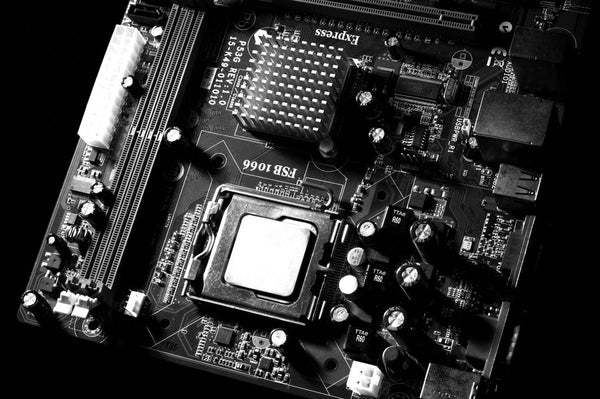
Now for the potentially awkward part. This is an ISA card, which means you need a motherboard with ISA slots. That's going to limit your options pretty severely unless you're building a dedicated retro machine. Most ATX boards stopped including ISA slots in the early 2000s, so you're looking at Socket 7 or earlier platforms for compatibility.
But honestly? That's probably fine. If you're serious enough about retro gaming to drop money on the Orpheus II, you're probably already running period-appropriate hardware anyway. A Pentium MMX 233 with 32MB of RAM and this sound card would be an absolute beast for '90s gaming.
The real question is driver support. DOS games should work fine since they typically access hardware directly, but early Windows games might be trickier. The original Orpheus had some driver issues, so hopefully the manufacturer learned from those mistakes.
Is This Worth Your Money?
Here's where I get real with you. The Orpheus II isn't cheap, and it's definitely not for everyone. If you just want to play some classic games occasionally, DOSBox or ScummVM will handle 95% of what you need without requiring dedicated hardware.
But if you're building a serious retro gaming setup? If you want to experience games exactly as they were meant to be played? This card is basically essential. The fact that it supports every major audio standard means you can build one machine and know it'll handle anything you throw at it.
Hot take: I think the retro gaming market is big enough now to support niche products like this. We've got people spending thousands on custom gaming PCs with the latest hardware, so why not spend some money preserving gaming history?
The gaming technology landscape has become so focused on pushing boundaries that we sometimes forget to look back. Cards like the Orpheus II remind us that innovation isn't always about bigger numbers or more features — sometimes it's about solving problems that shouldn't exist but do anyway.
Will I be picking one up? Probably not immediately, but it's definitely on my radar for my next retro build project. Because let's be honest — life's too short to play Tie Fighter without proper MIDI audio.






Leave a Comment