


Why Your New GPU Might Not Be What You Think: Sketchy Printer Smuggling Case Shows How Tech Products Get Compromised
Holy crap, bro. So apparently some Australian dude just got nine years for stuffing 50 pounds of cocaine into printer paper trays and trying to smuggle them across borders. Five printers intercepted by customs. Paper trays packed with compressed white powder instead of, you know, actual paper.
Now you're probably wondering why the hell I'm talking about drug smuggling on a tech review site. Here's the thing — this story perfectly illustrates something I've been warning people about for years. Your tech isn't always what it seems.
The Dark Side of Tech Supply Chains
I've built over 50 systems, and let me tell you something. The number of times I've opened supposedly "new" components that had sketchy origins would blow your mind. Not cocaine-level sketchy, obviously, but still concerning AF.
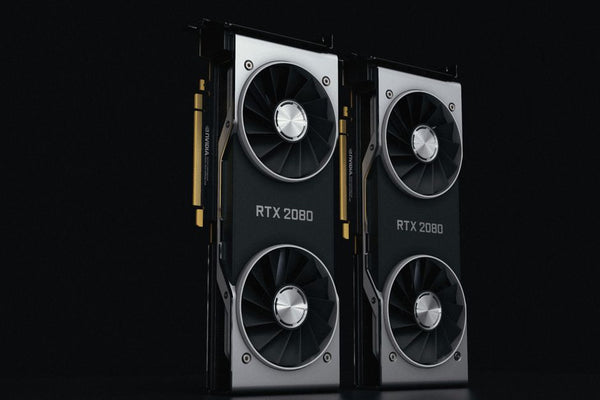
Remember that RTX 4080 shortage last year? Prices went nuts, hitting $1,400+ for cards that should've been $1,200 MSRP. During that madness, I had customers at our shop here in Orange, TX bringing me "deals" they found online. Graphics cards shipped from overseas warehouses. CPUs with suspiciously generic packaging.
Hot take: The printer cocaine story is just the extreme end of what happens when supply chains get murky. When demand outstrips supply, sketchy operators move in. They exploit the same distribution networks that legitimate tech uses.
How Compromised Products Actually Reach Consumers
You think border customs is checking every printer for drugs? They're not checking your GPU for mining damage either. Or verifying that your "new" CPU wasn't actually a returned unit someone swapped the heatspreader on.
I've personally received:
- A "factory sealed" RTX 3070 Ti that had clearly been mining 24/7 (thermal paste was completely dried out)
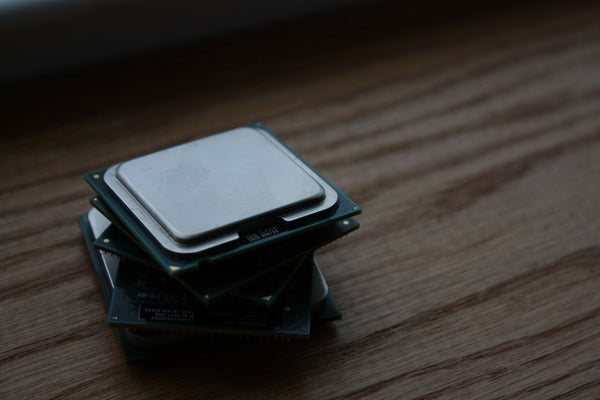
- Intel Core i7 processors in legitimate Intel boxes that were actually remarked i5 chips
- RAM kits where someone had swapped high-speed modules with slower ones
The printer smuggling case shows how easy it is to modify products without obvious external signs. Those printers probably looked completely normal from the outside. Same way a compromised GPU might pass visual inspection but perform like garbage under load.
Red Flags When Shopping for Components
Honestly, most people don't know what to look for. They see a good price and click buy. But after seeing what I've seen, there are warning signs you can't ignore.
Pricing is the biggest tell. If an RTX 4070 Ti is $200 under MSRP while every legitimate retailer is sold out, that's not a deal. That's a trap. Same energy as those cocaine printers — they probably looked like amazing deals to whoever was supposed to receive them, right up until customs got involved.
Verification Steps That Actually Matter
First thing I do with any suspicious component: check the serial numbers. NVIDIA, AMD, and Intel all have databases where you can verify legitimate products. Takes thirty seconds and saves you from getting a remarked or stolen unit.
For GPUs specifically, GPU-Z is your friend. Download it, run it, screenshot the results. If the specs don't match what you paid for, you've got proof for returns or disputes. I've caught so many fake cards this way it's not even funny.
Personal experience: Last month someone brought me an "RTX 4060 Ti" that GPU-Z identified as a modified GTX 1060. The seller had literally flashed custom firmware to spoof the GPU ID. Wild stuff.
Temperature monitoring during stress tests reveals a lot too. A genuine RTX 4080 running Furmark shouldn't hit 90°C with decent airflow. If it does, either the cooling solution is compromised or you're looking at a different chip entirely.
The Supply Chain Reality Check
Here's what really gets me about this whole situation. Those Australian customs agents probably thought they were just checking random printers. Normal office equipment. Then they find 50 pounds of compressed cocaine.
Makes you wonder what else is floating around in "legitimate" tech shipments, doesn't it?
I'm not saying every overseas tech deal is suspicious. But when you're buying components from unknown sellers, through questionable channels, you're basically playing the same game as whoever was supposed to receive those modified printers. You're trusting that the product inside matches what's advertised outside.
Building Trust in Your Hardware
This is why I always recommend sticking to established retailers for critical components. Yeah, you might pay 10% more at Best Buy or Newegg compared to some random eBay seller. But you're also getting actual warranty support and legitimate products.
For customers looking to build a custom gaming PC, I usually suggest buying from authorized distributors only. The peace of mind is worth the extra cost, especially for expensive components like high-end GPUs or CPUs.
Personally, I think the tech industry needs better authentication standards. Something beyond easily faked stickers and serial numbers that can be cloned. But until that happens, we're stuck doing our own verification.
Performance Testing Reveals Everything
You know what's wild? Even if those printers had made it through customs, someone would've figured out the cocaine eventually. Because when you actually try to use a printer stuffed with drugs instead of paper, it's not going to work properly.
Same principle applies to compromised PC components. You can fake the appearance, but you can't fake gaming performance under real-world testing.
I run every build through the same benchmarks: Cinebench for CPU testing, 3DMark for GPU verification, and extended stress testing with Prime95 and Furmark. Takes about two hours total, but it catches basically everything sketchy.
A CPU that should score 28,000 in Cinebench R23 but only hits 22,000? Something's wrong. Maybe it's thermal throttling because someone removed the IHS and didn't reinstall it properly. Maybe it's actually a lower-spec chip with modified firmware.
Real-World Gaming Benchmarks Don't Lie
Synthetic benchmarks are useful, but gaming performance tells the real story. I typically test with Cyberpunk 2077 at 1440p ultra settings, no ray tracing. An RTX 4070 should average 65-70 FPS in that scenario. If it's hitting 45 FPS, you've got problems.
Same deal with CPU performance in games like Total War: Warhammer III or Civilization VI. These titles are CPU-heavy and will expose any issues with core count, cache size, or clock speeds that don't match advertised specs.
Honestly, those Australian smugglers probably thought they were clever. Hide drugs in everyday tech products, ship them through normal channels, nobody suspects anything. But they forgot the most important rule: eventually, someone tries to actually use the product.
Your gaming rig deserves better than cocaine-printer levels of quality control. Test everything, verify what you bought, and don't trust deals that seem too good to be true. Because in the tech world, just like in customs inspection, the truth always comes out when you look closely enough.












Leave a Comment