


Why Huawei's 122TB SSD Monster Changes Everything for Your Gaming PC Build
Okay, real talk — when I first heard about Huawei dropping a 122TB SSD announcement, my initial reaction was "cool story, but what does this mean for actual gamers?" Then I dug deeper into their new packaging tech, and honestly? This could shake up the entire storage game for anyone serious about a custom gaming PC build.
Let me break this down. Huawei basically said "screw your sanctions" and invented their own way to cram absurd amounts of storage into SSD form factors. They're calling it die-on-board packaging, which sounds boring until you realize what it actually means.
The Tech Behind the Gaming PC Build Revolution
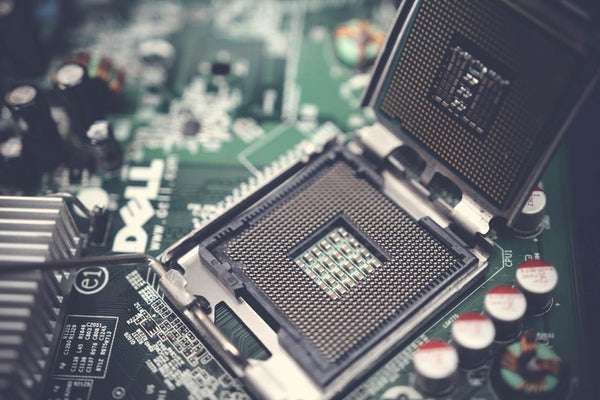
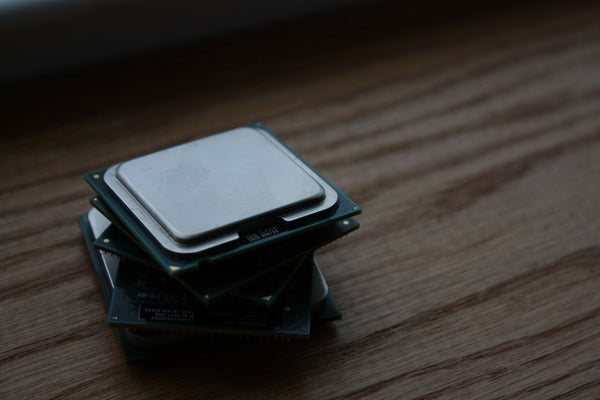
Here's where it gets spicy. Instead of using traditional 3D NAND chips (which they can't get because of US sanctions), Huawei figured out how to mount NAND dies directly onto the SSD's PCB. Think of it like Tetris, but for storage components.
Why should you care about this packaging wizardry? Simple — more storage density means manufacturers can pack insane capacity into the same physical space. We're talking about fitting what used to require a 2.5-inch drive into an M.2 slot.
I remember this customer at our Orange, TX shop who came in wanting 8TB of NVMe storage for their video editing rig. Poor dude had to choose between speed and capacity because high-capacity NVMe drives were stupidly expensive. This tech? It's gonna change that equation completely.
What 122TB Actually Means for Gamers
Let's do some quick math. Modern games are absolute storage hogs — Call of Duty alone eats up 250GB. Cyberpunk 2077? Another 70GB. With 122TB, you could theoretically install every AAA game released in the last decade and still have room for your entire Steam library.
But here's the thing nobody's talking about: this isn't really about gaming. Yet.
Huawei's targeting enterprise and data center markets with this beast. The price point? Probably gonna make your wallet cry. We're likely looking at $10,000+ for drives this massive when they eventually hit the market.
The Real Impact on Custom Gaming PC Builds
So why am I excited about tech that costs more than most people's entire gaming setup? Because innovation trickles down, and this packaging breakthrough is gonna revolutionize how we think about storage in gaming builds.
Personally, I think we're looking at the future of high-capacity NVMe drives. Once this die-on-board tech matures and scales down to consumer pricing, we could see 8TB and 16TB M.2 drives become the new normal. No more choosing between a fast boot drive and a massive game library drive — you'll get both in one slot.
The Performance Question Nobody's Asking
Here's where things get interesting. Higher density doesn't automatically mean better performance for gaming. In fact, cramming more NAND dies into the same space could create thermal challenges that actually hurt performance.
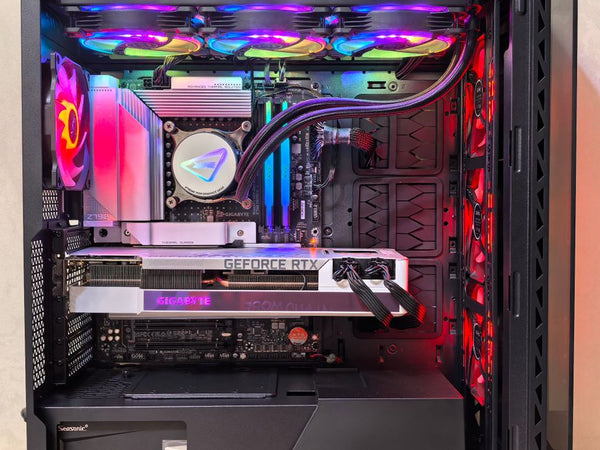
Remember Samsung's 980 PRO issues with thermal throttling? Now imagine that problem multiplied by having even more storage crammed into the same tiny M.2 form factor. Your gaming PC build better have solid airflow, because these future high-density drives are gonna run hot.
But honestly? I'm not too worried about it. The industry's gotten pretty good at thermal management, and by the time this tech hits consumer drives, they'll have figured out the cooling situation.
Why This Matters Beyond Storage Wars
The bigger story here isn't just about Huawei making massive SSDs. It's about what happens when a major tech company gets cut off from traditional supply chains and has to innovate their way out.
Hot take: sanctions might have actually accelerated storage innovation. When you can't buy the parts everyone else uses, you're forced to think differently. Huawei's die-on-board approach might become the new standard simply because it's more efficient.
This reminds me of helping customers navigate GPU shortages during the crypto mining boom. Sometimes constraints force better solutions. Can't get a 3080? Maybe that 6700 XT is actually perfect for your 1440p gaming needs.
What This Means for Your Next Build
Should you wait for this tech to hit consumer drives before planning your gaming PC build? Nah, probably not. We're talking 2-3 years minimum before die-on-board packaging shows up in affordable consumer SSDs.
Right now, the sweet spot for gaming builds is still 1-2TB NVMe drives. The Samsung 980 PRO 2TB regularly drops to $150, and the WD Black SN850X 2TB hovers around $140. That's enough storage for your OS, productivity apps, and 15-20 modern games.
But when you're building your custom gaming PC, definitely plan your motherboard choice with future storage expansion in mind. Make sure you've got at least two M.2 slots, because storage needs only go up.
The average Steam user has 132 games in their library, but only 12% are actually installed at any given time.
That stat tells you everything about current storage reality versus future possibilities. Most gamers rotate their installed games constantly because of storage limitations. What if you didn't have to?
The Price Reality Check
Let's be real for a second — consumer SSD prices have been weird lately. We saw massive drops in 2023, then prices started creeping back up. New packaging tech usually means higher costs initially, so don't expect these innovations to make drives cheaper right away.
But here's the long game: if manufacturers can cram more storage into existing form factors without needing exotic materials or processes, costs should eventually drop. It's basic economics, even if it takes a few years to play out.
The Gaming Angle Everyone's Missing
While everyone's focused on the massive capacity, I'm thinking about what this means for game loading times and asset streaming. Games are already moving toward systems that load assets on-demand rather than keeping everything in RAM.
DirectStorage on PC, Sony's SSD architecture in the PS5 — we're entering an era where storage speed matters more than ever for actual gaming performance. Higher density drives with this new packaging could potentially offer better sustained performance because there are more NAND dies to distribute workload across.
Or they could be slower because of thermal constraints. Honestly, we won't know until someone actually benchmarks consumer versions of this tech.
The gaming industry's relationship with storage has always been complicated. Remember when 50GB was considered a massive game? Now that's Tuesday. As game sizes continue ballooning and texture quality keeps improving, having stupid amounts of fast storage isn't just luxury — it's becoming necessity.
Huawei's 122TB monster might seem overkill today, but give it five years. By then, we'll probably wonder how we ever managed with measly 2TB drives. The question isn't whether we'll need this much storage — it's whether we'll be able to afford it when we do.











Leave a Comment