


Russia's Mikron Wafer Souvenirs: The Gaming PC Build Reality Check Nobody Asked For
So Mikron in Russia is selling framed test wafers with up to 120,000 processors as souvenirs for $170 each. They're literally selling 12 different designs of failed silicon alongside $2 vials of cleanroom air. I'm not making this up.
While Russian engineers are turning semiconductor scraps into overpriced wall art, gamers are still trying to build decent gaming PC builds without breaking the bank. The irony isn't lost on me — we're sweating over CPU prices while they're framing manufacturing failures and calling it collectible tech art.
What These Wafer Souvenirs Actually Tell Us About Gaming PC Build Economics
Here's the thing. Those 120,000 "processors" on each wafer? They're test dies that never made it past quality control. Total duds. Yet Mikron thinks they're worth more than a solid B450 motherboard.
It's wild. A single functional Ryzen 7 7700X costs around $300 and demolishes games at 1440p. Meanwhile, you can buy 120,000 dead processors for $170 and hang them on your wall like some kind of silicon memorial.
Personally, I think this highlights how disconnected we've become from actual hardware value. When I'm helping customers at our shop here in Orange, TX configure their custom gaming PC builds, they're laser-focused on FPS per dollar. Nobody's asking about decorative semiconductor waste.
The Real Cost of Gaming Performance vs Silicon Art
Let's break down what $170 actually gets you in a real gaming PC build:
- Solid 16GB DDR4-3200 kit that'll handle any current game
- Decent 650W PSU from a reputable brand
- Quality case with proper airflow for your components
Or you could buy a picture frame full of broken chips and a vial of Russian air. Your choice.
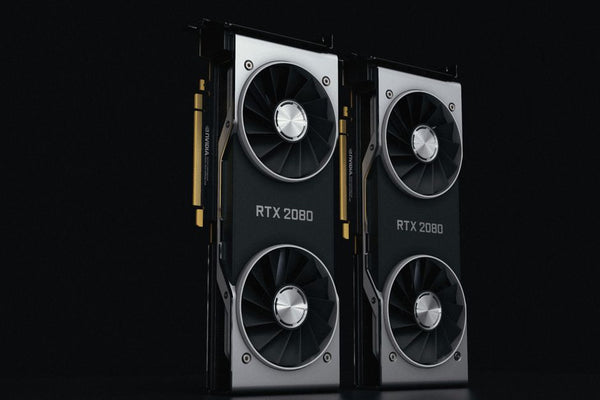
The timing is especially cringe considering current GPU prices. RTX 4070 Ti Super cards are finally hitting reasonable price points, but you're still looking at $700+ for top-tier 1440p performance. Every dollar matters when you're building a rig that needs to handle Baldur's Gate 3 at max settings or maintain 240Hz in Valorant.
Why Silicon Waste Makes Me Think About Real Hardware Priorities
Those wafers represent thousands of hours of engineering work. Failed, sure, but still impressive tech. Each individual die would've been destined for everything from mobile processors to embedded systems. Now they're conversation pieces.
Meanwhile, gamers are making real compromises. Should you go Intel 13th gen or wait for 14th? Is the RTX 4060 Ti actually worth it at $400 or should you hunt down a used 3070? These decisions matter because they affect your frame rates for the next 3-4 years.
Hot take: I'd rather have a single working RTX 4090 die than 120,000 dead processors in a frame. Call me practical.
The Cleanroom Air Situation is Peak Marketing Absurdity
$2 for a vial of cleanroom air. Think about that for a second.
Class 1 cleanroom air isn't magical. It's just really, really clean — less than one particle per cubic foot. But it's not like sniffing it gives you +10 to overclocking abilities or suddenly makes your RAM run at tighter timings.
You know what $2 gets you in actual PC building? A decent tube of thermal paste. Not the premium stuff, but something that'll keep your CPU from thermal throttling while you're pushing through Cyberpunk 2077's most demanding districts.
The whole cleanroom air thing feels like selling bottles of "gamer air" from a tournament venue. It's nostalgia marketing for people who want to feel connected to semiconductor manufacturing without understanding why sub-7nm processes actually matter.
When Souvenirs Cost More Than Actual Components
Here's where it gets weird. Those framed wafers cost more than legitimate PC components that actually improve gaming performance. For $170, you could snag:
A quality NVMe SSD that cuts game loading times in half. A solid CPU cooler that keeps your processor running at max boost clocks. A high-refresh monitor that makes competitive gaming noticeably smoother.
But instead, some people are choosing wall decorations made from manufacturing failures. I'm not judging — okay, maybe I'm judging a little.
Honestly, if you're dropping $170 on tech memorabilia, at least make it functional. Buy vintage graphics cards. Collect retro processors that actually ran games. Get something with historical gaming significance, not industrial waste in a picture frame.
The Bigger Picture for Gaming PC Build Priorities
This whole Mikron situation makes me think about how we prioritize spending in gaming builds. Every component choice matters when you're chasing performance.
Are you better off with faster RAM or a better GPU? Should you invest in PCIe 5.0 future-proofing or put that money toward a higher-tier graphics card today? These aren't academic questions when you're trying to maintain 165Hz in competitive shooters.
The answer usually comes down to your specific games and resolution targets. Playing Apex Legends at 1080p competitive settings? CPU and RAM speed matter more than you'd think. Running AAA single-player games at 4K? GPU horsepower trumps everything else.
What definitely doesn't matter? Decorative wafers full of broken processors.
Building vs Buying vs Collecting
Look, I get the appeal of tech collectibles. There's something satisfying about owning a piece of computing history. But $170 for failed silicon feels misguided when that same money could upgrade your actual gaming experience.
If you want to build your custom gaming PC with BitCrate or any other configurator, focus on components that deliver measurable performance gains. Your frame rates won't care about the wall art in your gaming room.
The real question isn't whether Mikron's wafer souvenirs are worth buying. It's whether you're spending your PC budget on things that actually matter for gaming performance. Because at the end of the day, a pretty framed wafer won't help you hit those headshots or maintain stable fps during clutch moments.
Save the $170. Put it toward a better graphics card or faster storage instead. Your future gaming self will thank you when you're not dealing with stuttering frame times or lengthy loading screens while your friends are already fragging in the next round.











Leave a Comment