


Google's Orbital Data Centers Could Change Your Gaming PC Build Forever
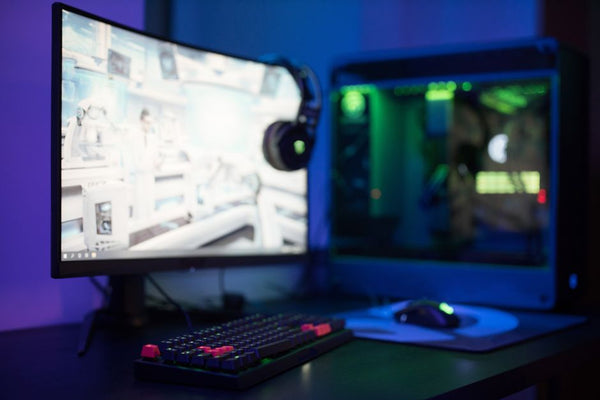
Ngl, when I first heard Google was talking with SpaceX about launching data centers into space, my brain immediately went to one place: latency. But hold up – this isn't just some sci-fi pipe dream anymore. Project Suncatcher could flip the entire gaming landscape on its head, and if you're planning a custom gaming PC build right now, you might want to pay attention.
Think about it like this – remember when everyone said SSDs would never replace HDDs because they were too expensive? Yeah, that aged well. Google's orbital data centers might sound equally insane today, but the implications for gaming are honestly mind-blowing.
What the Hell Are Orbital Data Centers Anyway?
Google's Project Suncatcher is basically what happens when someone asks "what if we put servers in space?" The idea isn't totally new – tech companies have been dreaming about orbital computing for years. But now Google's apparently serious enough to court SpaceX as their launch partner.
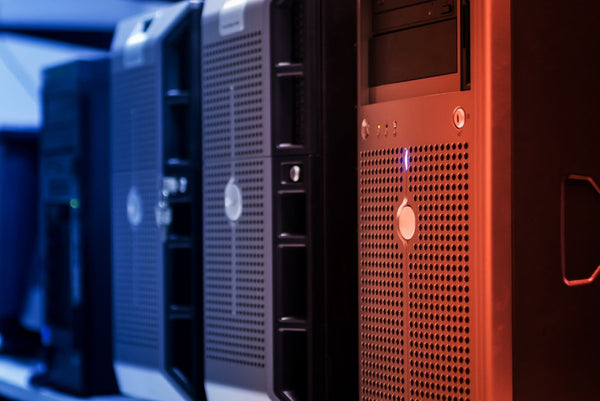
Here's where it gets spicy for gamers. Traditional data centers are limited by physics. Heat dissipation. Power consumption. Geographic distribution. Space literally solves these problems. No atmosphere means natural cooling. Solar power is abundant. And orbital positioning could theoretically reduce latency for certain regions.
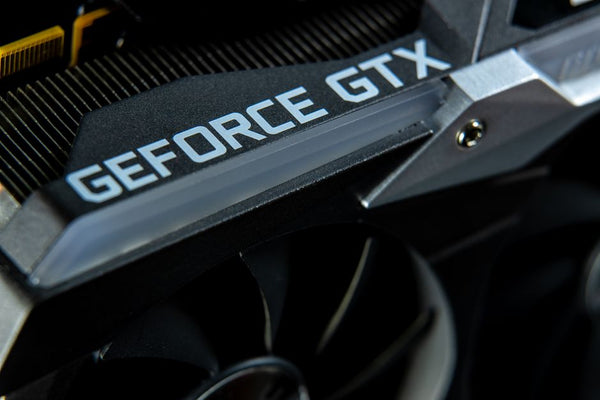
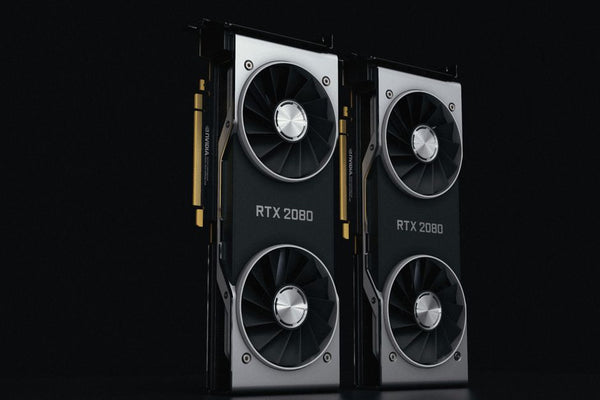
It's like upgrading from a GTX 1060 to an RTX 4090 – the fundamental architecture changes everything.
The Gaming Angle Everyone's Missing
Most coverage focuses on enterprise applications or AI training. But gamers? We're looking at potentially revolutionary changes to cloud gaming, multiplayer infrastructure, and even how we think about gaming PC builds.
Personally, I think cloud gaming has always been held back by latency and reliability issues. Even with services like GeForce Now and Xbox Cloud Gaming, you're still dealing with terrestrial infrastructure limitations. Orbital data centers could change that math completely.
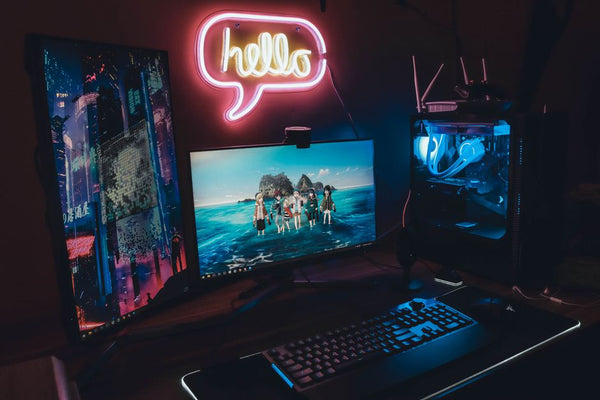
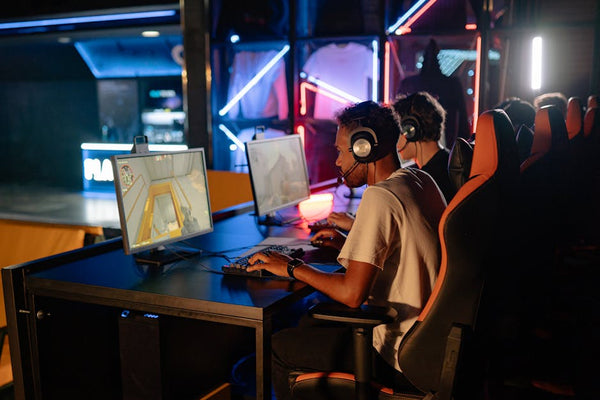
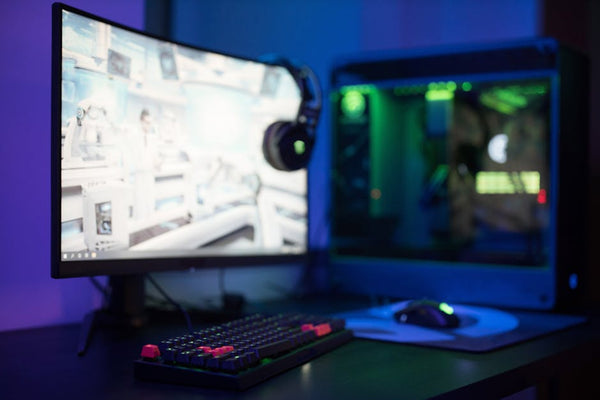
Imagine playing Cyberpunk 2077 at max settings, ray tracing enabled, without owning a single piece of gaming hardware. Your "gaming PC build" becomes choosing the right internet connection instead of agonizing over GPU prices.
Why This Matters for Your Next Gaming PC Build
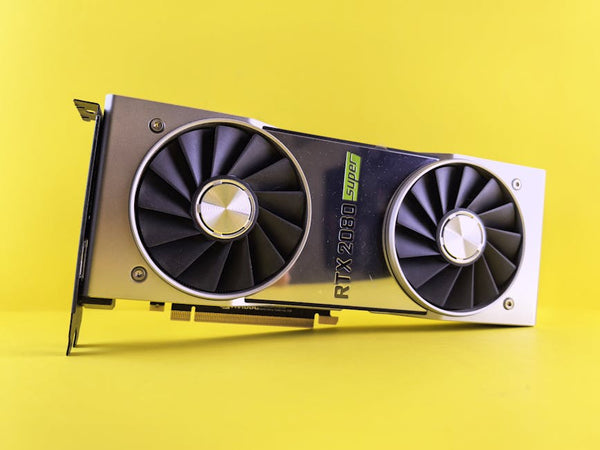
Should you cancel that RTX 4080 Super order? Slow down there, chief. This technology is still years away from consumer implementation. But it does raise some interesting questions about future-proofing your rig.
Last week, I was helping a customer at our Orange, TX location spec out a high-end build. Dude wanted to drop $3,000 on a system that would last five years. We started talking about Google's orbital plans, and suddenly he's questioning whether investing in top-tier hardware makes sense long-term.
Hot take: it absolutely still does, for now.
The Reality Check
SpaceX launches cost roughly $67 million per Falcon Heavy mission. Even if they get costs down significantly, we're talking about infrastructure that won't be commercially viable for consumer gaming for at least a decade. Maybe longer.
Plus, there's the whole "what happens when satellites break" problem. Your RTX 4070 Ti might crash occasionally, but it doesn't require a rocket to fix.
Current gaming hardware isn't going anywhere. If anything, the transition period might create more demand for local processing power. Think hybrid cloud-local gaming setups where your gaming PC build handles immediate responsiveness while orbital servers manage the heavy lifting.
The SpaceX IPO Angle Changes Everything
Here's where this gets really interesting for the broader tech ecosystem. Google partnering with SpaceX for orbital data centers right before SpaceX's rumored IPO? That's not coincidence, that's strategy.
SpaceX has been valued at over $140 billion in private markets. A Google partnership legitimizes their commercial space ambitions beyond just satellite internet. For gaming, this means serious money flowing into space-based infrastructure development.
Remember how crypto mining drove GPU prices through the roof? Orbital computing could create similar supply chain disruptions, but in reverse. If cloud gaming actually becomes viable through space-based infrastructure, discrete GPU demand might crater.
What This Means for Component Markets
I'm genuinely uncertain about how this plays out. On one hand, reduced demand for high-end consumer GPUs could crash prices – great news for budget builders. On the other hand, the specialized hardware needed for orbital computing might consume manufacturing capacity, driving costs up.
It's like the current AI boom. NVIDIA's making bank on H100 chips while gamers get stuck with inflated RTX pricing. Orbital data centers could create similar market distortions.
But here's the thing – even if Google succeeds beyond their wildest dreams, gaming PCs aren't disappearing overnight. Local processing will always have advantages for certain applications. VR gaming, competitive esports, content creation – these use cases benefit from zero-latency local hardware.
Building for the Orbital Future
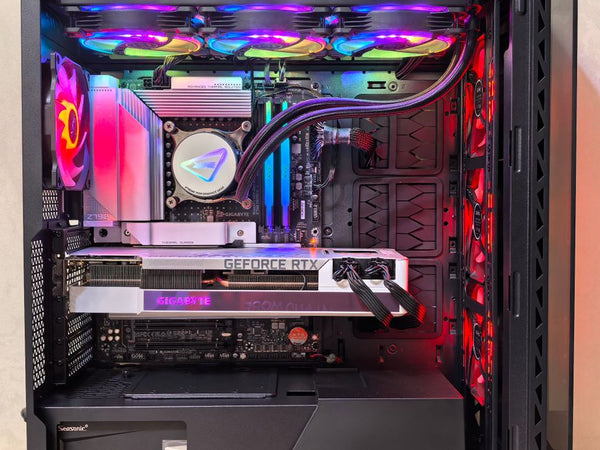
So what does this mean for your gaming PC build today? Honestly, not much changes in the short term. You still need a solid foundation.
Focus on these areas:
- High-bandwidth internet connectivity – orbital cloud gaming will be bandwidth-hungry
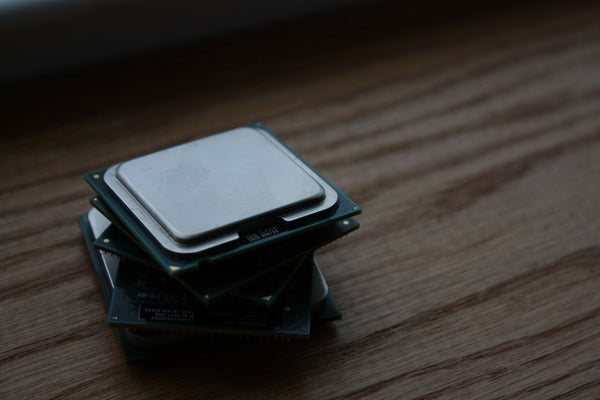
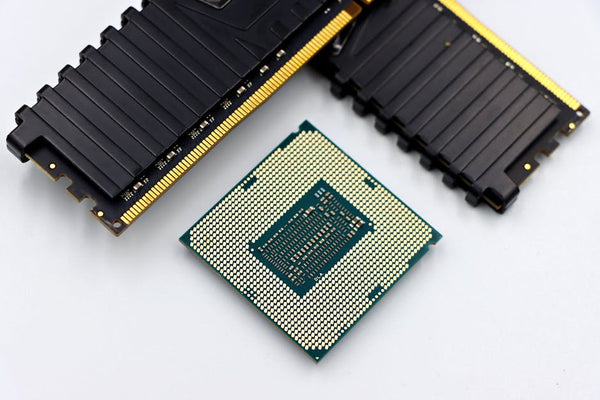
- Flexible CPU performance – processors might become more important than GPUs in hybrid setups
- Quality peripherals – if your games are running in space, your monitor and input devices become the primary quality bottleneck
The smartest move? Build a balanced system that can adapt. Don't blow your entire budget on the highest-end GPU if you're worried about cloud gaming disruption. Instead, aim for a solid mid-range build that you can upgrade incrementally.
Think of it like building a TCG deck when the meta's about to shift. You want flexibility, not all-in commitment to one strategy.
The Network Effect
Here's something most people aren't considering: orbital data centers might actually increase demand for local gaming hardware in the medium term. Better cloud infrastructure enables more complex games, which drives demand for better local hardware to interface with those games.
It's counterintuitive, but improved backend infrastructure often increases rather than decreases frontend requirements. Look at how faster internet enabled larger game downloads, which created demand for bigger SSDs.
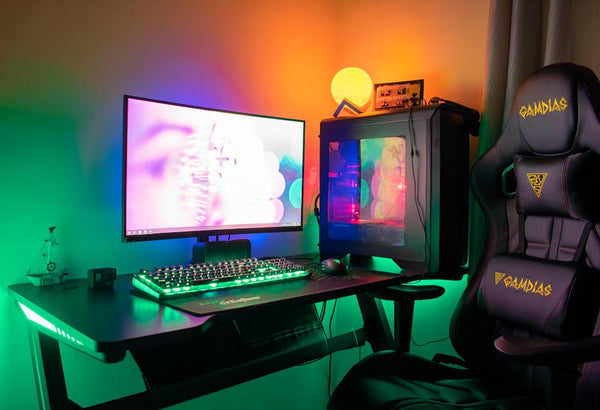
If you're planning to build your custom gaming PC with BitCrate, consider how your system might interface with future orbital computing resources. Fast NVMe storage for caching. Plenty of RAM for local processing. A CPU that won't bottleneck hybrid workflows.
The Timeline Nobody Talks About
Google's timeline for Project Suncatcher remains murky. SpaceX has the launch capability, but orbital data center technology is still largely theoretical. We're probably looking at 2030+ for any meaningful consumer impact.
That's two full GPU generations away. Your RTX 4070 build today will be ready for retirement before orbital cloud gaming goes mainstream. So yeah, buy that graphics card. Build that dream rig. The space-based gaming revolution isn't happening next Tuesday.
But keep watching the skies. Because when this technology does mature, it won't just change gaming – it'll redefine what we mean by a "gaming PC build" entirely. And honestly? That future sounds pretty damn exciting, even if it's still years away from reality.










Leave a Comment