


SK Hynix iHBM Memory Thermal Architecture GPU Review: The Game-Changer for AI Gaming Performance
GPU thermal throttling is the absolute worst. Just when you're about to clutch that ranked match or your AI workload starts hitting peak performance, your memory modules decide to take a thermal timeout. Well, SK Hynix just dropped something that might actually solve this headache.
Their new iHBM (integrated HBM) thermal architecture isn't just another marketing buzzword. We're talking about cooling elements built directly into the memory interface. Not slapped on top. Not wedged between layers. Integrated at the source where heat actually generates.
What Makes iHBM Different From Current GPU Memory Cooling
Traditional HBM memory stacks are basically heat towers. You've got multiple dies stacked vertically, all generating thermal energy with nowhere to go except up and out. It's like trying to cool a skyscraper with window units.
Current solutions? External heat spreaders. Thermal pads. More fans. Basically throwing cooling solutions at the problem after it's already too late. The heat's already building up inside the memory stack before any external cooling can touch it.
SK Hynix said "nah, we're doing this differently." Their iHBM architecture embeds micro-cooling elements directly into the HBM interface layer. Think of it as having tiny air conditioning units built into each floor of that memory skyscraper.
The 30% Thermal Resistance Cut: What This Actually Means
A 30% reduction in thermal resistance isn't just a nice number for marketing slides. In real gaming performance terms, this could mean:
- Higher sustained memory clocks during extended gaming sessions
- Less aggressive thermal throttling on high-end GPUs
- Better performance consistency in demanding AI workloads
When you're running something like Cyberpunk 2077 with path tracing maxed out, or training AI models that hammer memory bandwidth, that 30% improvement could be the difference between smooth gameplay and stuttering mess.
Why Dense AI Data Centers Actually Matter for Gaming
You might be thinking "Jordan, I don't run a data center, why should I care about enterprise AI cooling?" Fair question. But here's the thing – the technology that gets developed for massive AI data centers always trickles down to consumer hardware.
Remember when ECC memory was enterprise-only? Or when PCIe 4.0 was just for servers? The iHBM thermal architecture SK Hynix is targeting for next-gen HBM5 accelerators today becomes the foundation for tomorrow's gaming GPUs.
Dense AI workloads push memory thermals harder than any game we've seen. If iHBM can handle 24/7 AI training loads without breaking a sweat, imagine what it'll do for your 4-hour Apex Legends grind sessions.
Next-Gen HBM5: The Performance Jump We're Actually Getting
HBM4 is already pushing bandwidth numbers that make DDR5 look slow. HBM5 with iHBM thermal management? We're potentially looking at memory that can sustain peak performance indefinitely.
Personally, I think this is where GPU memory technology needed to go years ago. Working at TieredUp Tech in Orange, TX, I see too many high-end builds where customers drop serious cash on flagship GPUs, only to hit thermal walls during actual gaming. The hardware can push the numbers, but heat kills the sustained performance.
Real-World Gaming Performance Implications
Let's get specific about what this means for actual gaming. Take something like Fortnite competitive play – you need consistent frame times, not just peak fps numbers. Memory thermal throttling creates those annoying stutters that get you eliminated.
Or consider VR gaming, where any performance hiccup breaks immersion completely. Current HBM memory can start throttling after 20-30 minutes of intensive VR gameplay. iHBM's integrated cooling could extend that thermal headroom significantly.
Hot take: I think memory thermal management is going to become the new battleground for GPU manufacturers. We've squeezed about as much raw performance as we can from current architectures without massive power increases. The next big performance gains are going to come from sustained performance improvements.
The CPU Benchmark Connection
This isn't just a GPU story either. High-bandwidth memory with better thermal characteristics could reshape how we think about CPU benchmark results in memory-intensive workloads.
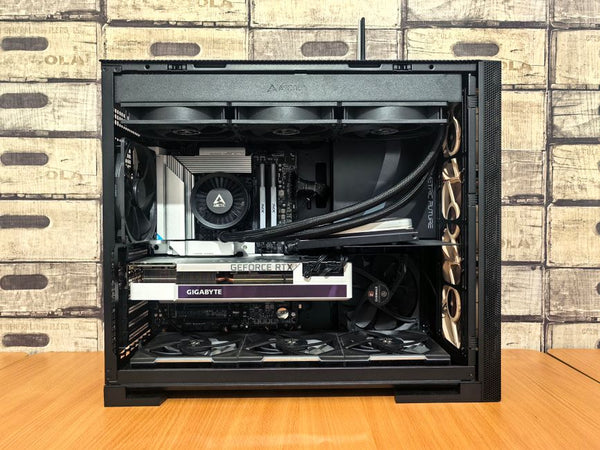
When building custom gaming PCs, we often focus on CPU and GPU thermals but ignore memory thermal behavior. iHBM suggests that memory thermal design is becoming just as critical for sustained performance.
Think about streaming while gaming – your system is handling game rendering, video encoding, and memory bandwidth intensive operations simultaneously. Better memory thermal management means more consistent performance across all these workloads.
Timing and Availability Reality Check
Here's where I need to pump the brakes a bit. SK Hynix is targeting this for next-gen HBM5 accelerators. That doesn't mean consumer GPUs with iHBM are dropping next month.
We're probably looking at 2025-2026 before this technology shows up in gaming hardware you can actually buy. Maybe enterprise AI cards first, then flagship consumer GPUs, then eventually mainstream gaming cards.
But honestly? The timing might work out perfectly. Current GPU thermal solutions are already struggling with next-gen power densities. By the time RTX 60-series or RX 9000-series cards hit the market, integrated memory cooling could be essential, not optional.
What This Means for Your Next Build
Should you wait for iHBM before upgrading? Probably not. Current GPU technology is already hitting thermal walls in different areas – the GPU die itself, power delivery, even case airflow.
But if you're planning a high-end build for 2025 or beyond, keep this tech in mind. The combination of better memory thermal management plus whatever architectural improvements we see could deliver significant performance gains.
The memory thermal bottleneck is real, and SK Hynix just showed us a potential solution. Whether it delivers in practice depends on implementation, but the direction looks solid.
Now we just need someone to convince NVIDIA and AMD to actually use it in gaming cards instead of keeping it locked to enterprise AI hardware. Because let's be real – gamers push hardware just as hard as data centers, just in different ways.








Leave a Comment