


Nvidia's RTX Pro 6000 Blackwell Gaming PC Build Reality Check: Why $13,250 GPUs Matter to Budget Builders
So Nvidia just jacked up their RTX Pro 6000 Blackwell pricing to $13,250. Yeah, you read that right. That's a 55% increase over MSRP in just one year. As someone who spent years watching GameStop customers count quarters for used games, seeing GPU prices that cost more than most people's cars honestly makes me sick.
But here's the thing about this gaming PC build world we're living in — these enterprise-grade price hikes actually tell us everything we need to know about where the consumer market is heading. And spoiler alert: it's not great news for anyone planning a custom gaming PC on a budget.
What This Price Hike Actually Means for Your Gaming PC Build
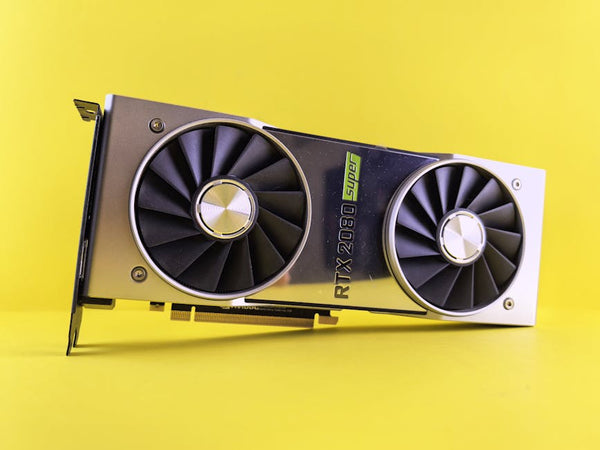
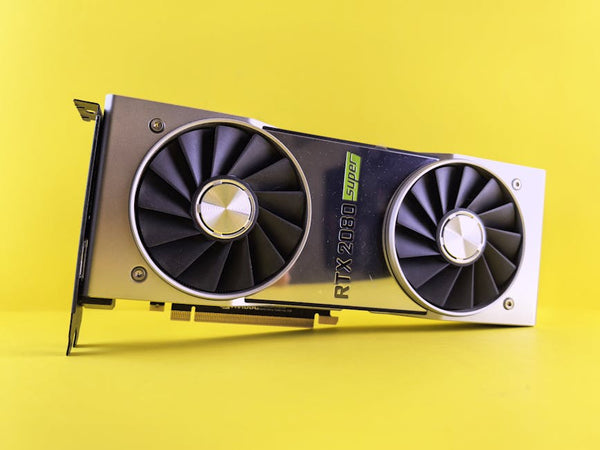
First off, let's be clear about what we're talking about. The RTX Pro 6000 series isn't something you'd throw in your gaming rig anyway. These are workstation cards designed for professional 3D rendering, AI workloads, and enterprise applications that need massive VRAM pools. Think 48GB of memory and features you'll never touch.
But here's why you should care: Nvidia's pricing strategy for pro cards often signals what's coming for consumer GPUs. Remember when the RTX 4090 launched at $1,599? That seemed insane until we got used to it. Now we're looking at pro cards that cost more than a decent used car, and honestly, it's setting expectations that thousand-dollar gaming cards are somehow "reasonable."
When I'm helping customers at our shop here in Orange, TX configure their builds, the first question I always get is: "How much should I spend on a graphics card?" The answer used to be simple. Now? It's complicated as hell.
The Trickle-Down Economics of GPU Pricing
Here's what really gets me fired up about this whole situation. Nvidia knows exactly what they're doing with these price increases. They're not just gouging enterprise customers — they're shifting the entire market's perception of what's "normal" to spend on graphics processing power.
Think about it this way: when professional cards cost $13,250, suddenly a $1,200 RTX 4070 Ti looks like a bargain. It's psychological pricing 101, and we're all getting played.
I remember this one customer who came in last month, dead set on building his first custom gaming PC. Dude had saved up $800 for his entire build. Not just the GPU — the whole system. You know what I told him? Skip the latest generation completely. Go hunt for deals on older hardware that'll still crush 1080p gaming.
PC Build Guide Reality Check: What Actually Matters
Hot take: 90% of gamers don't need anywhere near the performance these premium cards deliver. You playing Valorant at 1080p? A GTX 1660 Super will push 200+ fps all day. Want to experience Cyberpunk 2077 with decent ray tracing? An RTX 3070 can handle that without breaking the bank.
The dirty secret of the gaming PC build world? Most of us are chasing numbers that don't translate to better gaming experiences. Sure, having 240 fps in CS2 feels smooth, but the difference between 144 and 240 is way smaller than the price gap suggests.
Where Smart Builders Are Spending Their Money
Instead of obsessing over flagship GPUs, here's where your money actually makes a difference:
- A solid CPU that won't bottleneck your games for the next 4-5 years
- Fast NVMe storage that eliminates loading screens
- Enough RAM to avoid stuttering (32GB is becoming the sweet spot)
- A quality power supply that won't fry your components
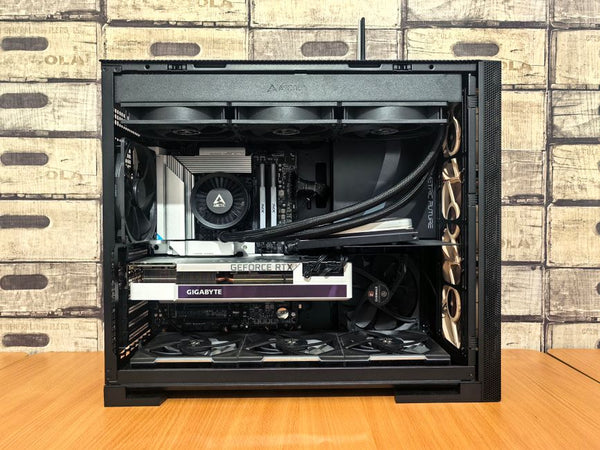
Personally, I think the best gaming PC builds right now are in the $1,200-1,800 range. That gets you something that'll handle any current game at 1440p with high settings, and you're not paying the early adopter tax on bleeding-edge tech.
The Budget Builder's Advantage
Want to know a secret? Some of the most satisfying builds I've ever put together were budget machines. There's something deeply satisfying about finding that perfect price-to-performance sweet spot that delivers 95% of the gaming experience for half the cost.
Take the RTX 4060, for example. Yeah, it's not winning any benchmark wars, but for $299, it'll run every game at 1080p with high settings. Pair that with a Ryzen 5 7600X, 16GB of DDR5, and you've got a killer 1080p gaming machine for under a grand.
The real question isn't whether you can afford the latest and greatest — it's whether you actually need it. Are you really going to notice the difference between Ultra and High settings when you're focused on clutching a ranked match?
Why This Matters Beyond Gaming
Here's where things get interesting, and honestly, a bit concerning. Nvidia's aggressive pricing on pro cards isn't just about maximizing profits from enterprise customers. They're essentially creating artificial scarcity and perceived value across their entire product stack.
When workstation GPUs cost as much as a luxury car, it makes their gaming cards seem reasonable by comparison. It's the same psychological trick luxury brands use — create an impossibly expensive halo product to make everything else look like a deal.
But here's what worries me: we're normalizing these prices. I see younger gamers on forums talking about $800 GPUs like they're mid-range options. That's not sustainable for most people, and it's creating a barrier to entry that didn't exist five years ago.
What This Means for Your Next Build
If you're planning a custom gaming PC build right now, my advice is simple: ignore the hype cycles. Don't chase benchmark numbers you'll never notice in actual gameplay. Focus on what resolution you're actually gaming at, what framerates you can realistically achieve with your monitor, and build accordingly.
The Shop GPUs at TieredUp Tech section tells the real story — there are solid options at every price point if you know what to look for. You just have to resist the marketing telling you that bigger numbers always equal better gaming.
Look, I get it. Building a PC is emotional as much as it's practical. You want the best you can afford, and there's nothing wrong with that. But don't let Nvidia's enterprise pricing games trick you into thinking you need to spend more than you actually do.
The RTX Pro 6000 price increase is really just another reminder that this industry loves to separate enthusiasts from their money. The smart move? Build for your actual needs, not for bragging rights. Your wallet will thank you, and honestly, your gaming experience probably won't suffer one bit.
Besides, by the time you've actually worn out a solid mid-range GPU, there'll be new budget options that outperform today's flagships anyway. That's just how this crazy market works.









Leave a Comment