


Intel's New Xeon 6377P Gaming PC Components: Why This Server CPU Breaks All the Rules
When was the last time you saw a server processor that actually makes sense for gaming builds? Intel just dropped something that's making me question everything I thought I knew about PC components and gaming hardware.
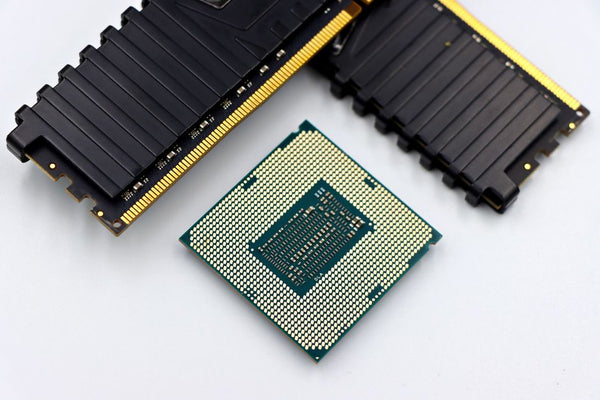
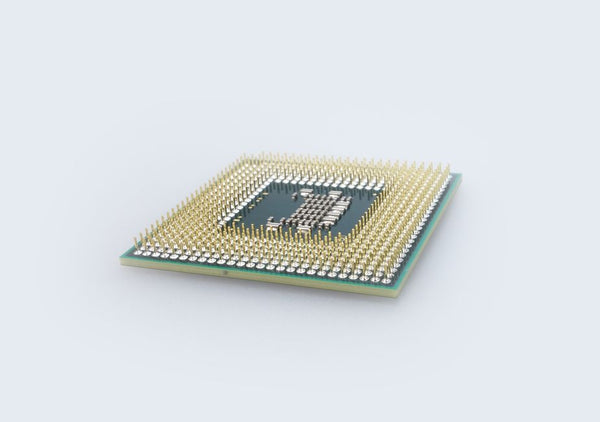
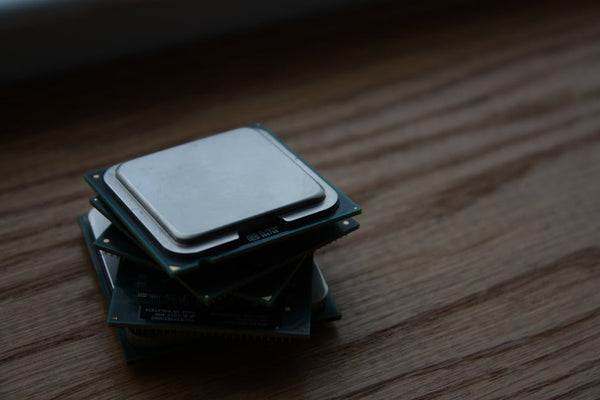
The Xeon 6377P isn't your typical enterprise chip. Nope. This thing packs 12 P-cores, hits 5.7 GHz boost speeds, and sits in a desktop-friendly LGA1700 socket. Wait, what?
I've been building systems for customers at TieredUp Tech here in Orange, TX for years, and I can't remember the last time a Xeon made me actually excited about budget gaming potential. But here we are.
What Makes This Gaming Hardware Different
Let's get one thing straight — this isn't your grandfather's server CPU. Most Xeons prioritize cramming as many cores as possible into a package. The 6377P says "nah" to that approach.
Twelve cores might sound modest compared to 64-core server monsters, but those cores hit 5.7 GHz. That's faster than most desktop chips can dream of. The base clock sits at a respectable 3.2 GHz, with that 95W TDP keeping things surprisingly cool.
But here's where it gets spicy — it supports ECC memory. Error-correcting code RAM in a chip that could theoretically game? That's wild territory we haven't seen before.
The Socket Situation Changes Everything
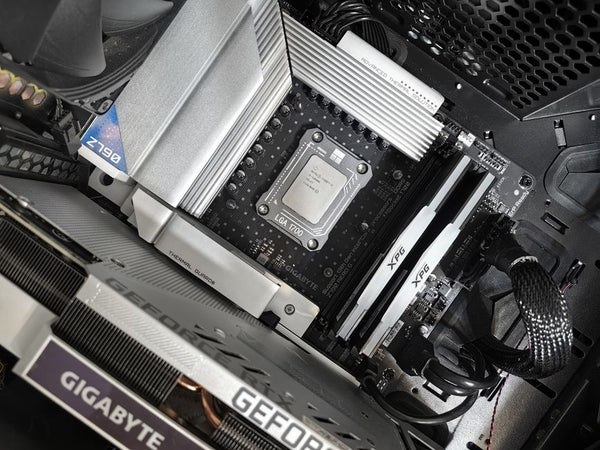
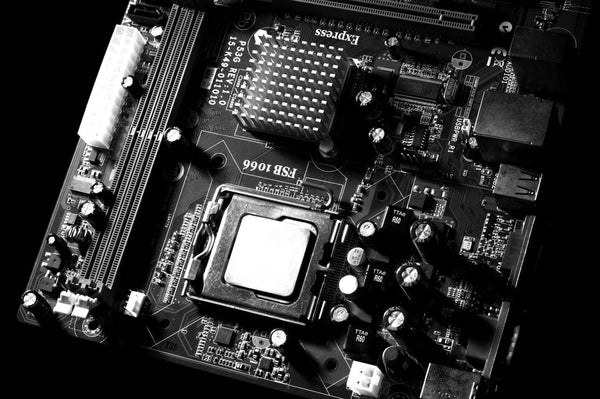
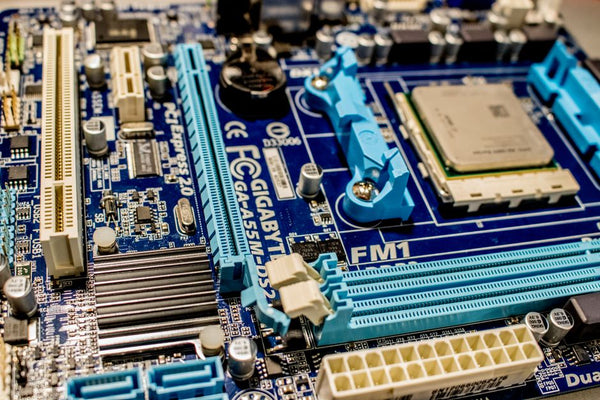
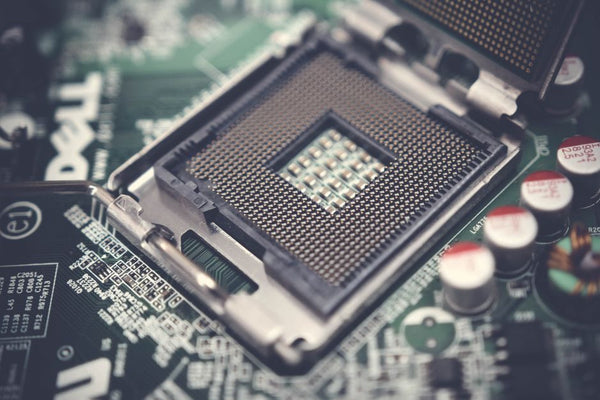
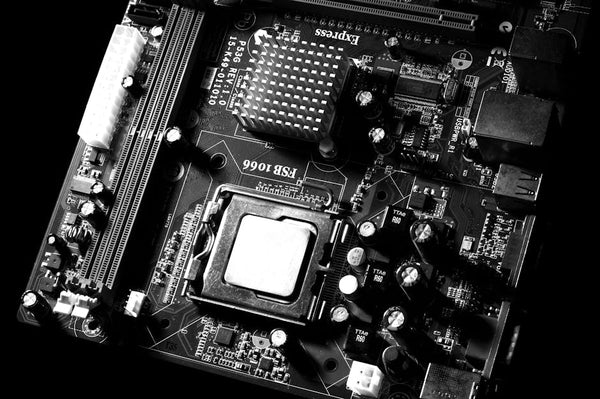
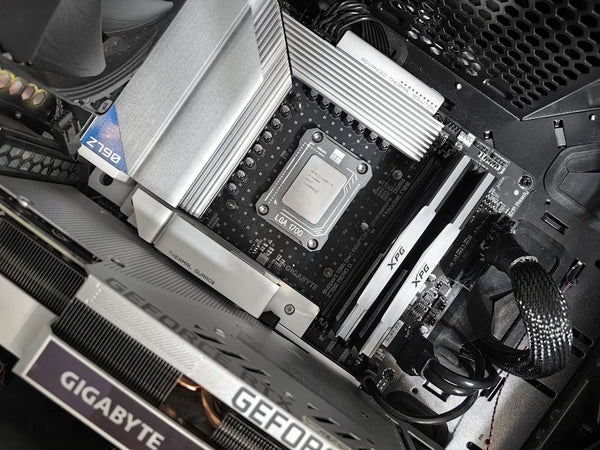
LGA1700 compatibility is the real kicker here. You know what that means? This server chip could potentially drop into Z690 or Z790 motherboards. Could. Maybe. Intel hasn't confirmed desktop board support, but the socket's there.
Think about it — when's the last time you could take server-grade silicon and potentially run it on consumer boards? This opens up possibilities that honestly have me scratching my head in the best way possible.
Performance Expectations: Hot Take Time
Personally, I think Intel's targeting something nobody asked for but everyone secretly wanted. Entry-level servers that don't suck at single-threaded workloads.
Traditional servers excel at parallel processing but fall flat when you need raw clock speed. Database queries, certain enterprise applications, even some development workloads — they love fast cores over many cores.
Here's my prediction: this chip's going to be solid for gaming if motherboard support materializes. Twelve fast cores? That's plenty for any game out there. Most titles still can't properly utilize more than 8-12 threads anyway.
95W TDP with 5.7 GHz boost clocks — that's impressive engineering, not gonna lie.
The Budget Angle Nobody's Talking About
Server chips often hit the used market at crazy-low prices once enterprises upgrade. Remember when Xeon E5s became the budget king for a hot minute? This could be that story all over again.
Imagine snagging 12 cores of 5.7 GHz performance for less than a mid-range consumer CPU. That's the kind of value play that makes my former GameStop employee heart sing.
But there's a catch. Always is. ECC memory costs more than regular DDR5. So while the CPU might be affordable down the line, your total system cost could still sting.
Real-World Computer Parts Considerations
Let's be honest about what this means for actual builds. If you're configuring a system and considering this chip, you're looking at some interesting trade-offs.
Pro side: ECC support means rock-solid stability. Perfect for content creators who can't afford crashes mid-render. Those 12 cores at 5.7 GHz would absolutely demolish productivity tasks.
Con side: Intel hasn't confirmed which consumer motherboards will support it. You might be stuck with server boards, which typically lack gamer-friendly features. No RGB headers, limited overclocking, boring BIOS interfaces.
I helped a customer last month who wanted maximum reliability for their streaming setup. Something like the 6377P would've been perfect — if we knew it would work in his planned build. The uncertainty's frustrating.
Gaming Performance Reality Check
Would this thing actually game well? Probably, yeah. Twelve cores of 5.7 GHz should handle anything you throw at it. Modern titles love fast cores, and 12 of them provides plenty of headroom for background tasks.
But here's where I'm genuinely unsure — will game developers optimize for this kind of configuration? Most consumer CPUs top out around 8 performance cores. Will games know what to do with 12 equally fast cores?
Honestly, that's uncharted territory. Could be amazing. Could be overkill. Won't know until we see benchmarks.
The Bigger Picture for Gaming Hardware
This release signals something interesting about Intel's strategy. They're blurring lines between server and desktop markets in ways that could benefit budget builders.
Why stick to artificial product segmentation when you can create chips that serve multiple markets? The 6377P targets enterprise customers who need fast cores, but it could accidentally become a sleeper hit for gamers.
That's the kind of crossover appeal that creates legendary budget builds. Think about how many people still run old Xeon chips in gaming rigs because the value proposition was too good to pass up.
What This Means for Your Next Build
Should you wait for the 6377P before building your custom gaming PC? That depends on your timeline and risk tolerance.
If you need a system now, don't wait. We still don't know pricing, availability, or desktop compatibility. But if you're planning a build for later this year, keeping an eye on this chip makes sense.
The potential value play here is massive. Twelve fast cores for potentially less than mainstream desktop chips? That's the kind of disruption that makes PC building exciting.
Intel's playing with fire here, and I'm here for it. Server chips that don't ignore single-threaded performance. Desktop sockets on enterprise silicon. ECC support for content creators who need bulletproof stability.
Whether this becomes the next budget gaming legend or remains a niche server part depends entirely on motherboard support and pricing. But the potential's there, and that's enough to get me hyped about what's coming next in the component world.





















Leave a Comment