


Gigabyte's 40th Anniversary Infinity Lineup: A GPU Review and CPU Benchmark Paradise
Forty years in tech is basically ancient history — like finding a mint condition Black Lotus in your attic. Gigabyte just dropped their anniversary Infinity collection, and honestly? It's giving major premium holographic vibes across their entire product stack.
Think about it this way: when you're hunting for that perfect mythic rare to complete your deck, you don't just settle for the first decent card you find. Same energy here. Gigabyte isn't just slapping some RGB on existing boards and calling it special edition.
X870 Infinity Next: The Halo Motherboard That Actually Earns Its Price Tag
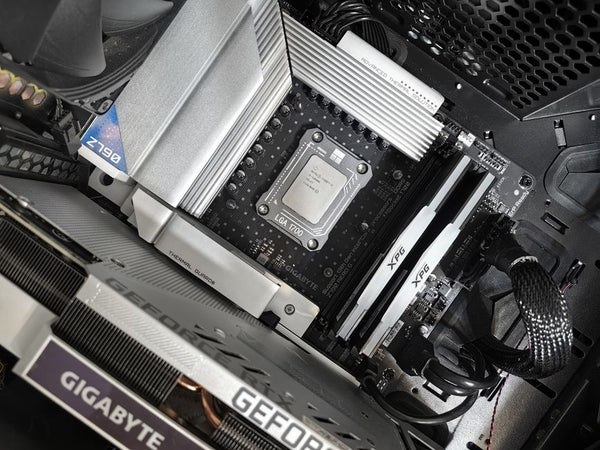
The X870 Infinity Next is positioned like a tournament-winning deck — expensive, but every component serves a purpose. We're talking actual 3D-printed metal elements, not plastic pretending to be premium.
Hot take: most "premium" motherboards are just mid-tier boards with fancy heat spreaders. This one's different. The metal 3D printing isn't just aesthetic — it's functional cooling integration that you'd normally only see in custom loops. The thermal performance numbers aren't public yet, but if Gigabyte's engineering team put this much effort into the visual design, the CPU benchmark results should be spicy.
Price point? Probably north of $600. Yeah, that's GPU money for a motherboard, but premium MTX cards cost more than entire Standard decks for good reason.
Why 3D-Printed Metal Actually Matters
Traditional manufacturing can't create the complex internal geometries that 3D printing allows. Think intricate cooling channels that branch like tree roots — impossible with standard machining. For high-end CPU benchmark scenarios, especially with something like a 7950X3D pushed to its limits, every degree matters.
Personally, I think we'll see this tech trickle down to more affordable boards within two years. That's usually how it works — the halo product proves the concept, then economies of scale kick in.
Aero Wood Goes Dark: When Aesthetics Meet Performance
Gigabyte's Aero Wood series was already pretty unique — real wood accents on GPUs and motherboards. Now they're introducing darker variants that look absolutely sick with modern build themes.
The dark wood treatment gives major coffee shop aesthetic vibes. Not everyone's cup of tea, but for themed builds? Chef's kiss. Working at TieredUp Tech here in Orange, TX, I've seen customers spend hours agonizing over matching their GPU shroud to their case. This solves that problem elegantly.
Performance-wise, these aren't just pretty faces. The Aero lineup consistently delivers solid GPU review scores, especially in the RTX 4070 Ti Super range where thermal management becomes critical.
The Wood Treatment Process
Real wood on electronics sounds sketchy, right? Gigabyte uses specially treated and sealed wood that won't interfere with thermals or conductivity. The dark variants use different staining processes that maintain the natural grain while achieving that deep, rich color.
It's like the difference between a foil and non-foil version of the same card — functionally identical, but the aesthetic impact is completely different.
MicroATX Stealth Boards: Finally, Small Form Factor Gets Some Love
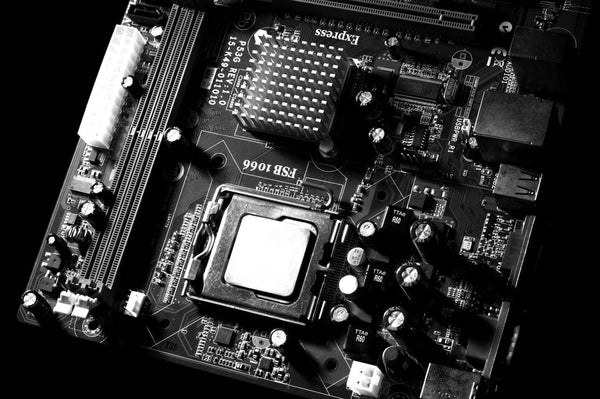
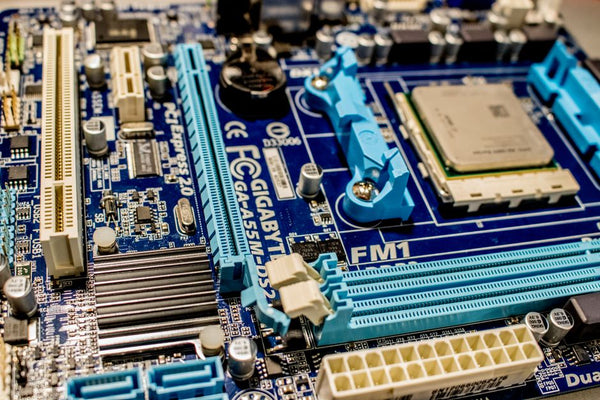
MicroATX has been the middle child of motherboard form factors for too long. Too big for truly compact builds, too small for all the features of full ATX. These Stealth boards change that equation.
The "stealth" naming isn't just marketing fluff — these boards feature subdued aesthetics with hidden connectors and clean layouts. No obnoxious RGB zones fighting for attention. Sometimes less really is more.
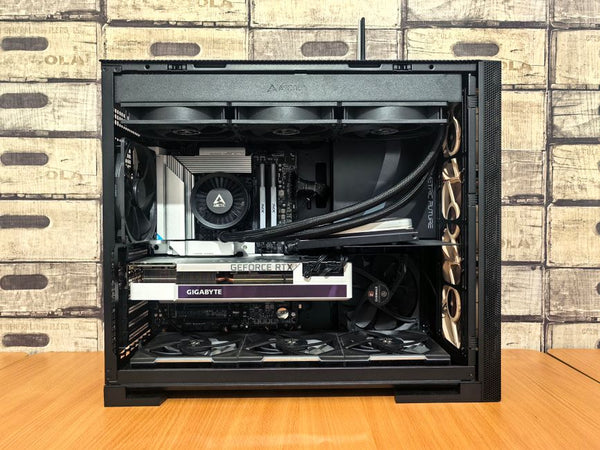
For SFF enthusiasts running something like an RTX 4060 Ti or RTX 4070 in a compact case, board real estate is precious. Every millimeter counts when you're trying to fit decent cooling alongside your components.
The MicroATX market desperately needed innovation beyond just "ATX but smaller."
Stealth Features That Actually Matter
Hidden 24-pin connectors. Rear-mounted SATA connections. Front-panel headers tucked away from sight lines. These details matter when you've got a glass side panel showcasing your build.
Will these command premium pricing over standard MicroATX options? Absolutely. But for builders who prioritize clean aesthetics, the extra cost justifies itself quickly.
Infinity GPUs Hit the Mass Market
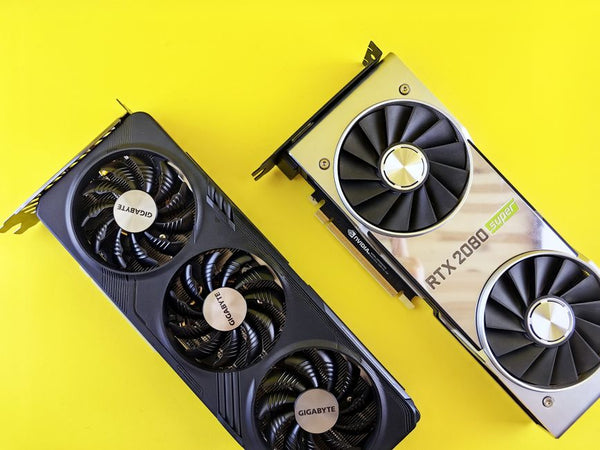
Here's where things get interesting for GPU review coverage. Gigabyte's extending the Infinity design language down to more affordable graphics cards. We're not just talking RTX 4090 territory anymore.
Expect to see Infinity-styled RTX 4060 and RTX 4070 variants soon. Same premium design cues, but accessible pricing. It's like getting tournament-quality sleeves for your casual deck — you don't need them, but they make everything feel more special.
Tbh, this move makes perfect sense. Why limit your best design work to only the highest-tier products? Let more builders experience that premium aesthetic without dropping flagship money.
Performance Expectations
Design aside, these GPUs need to deliver on gaming performance. Gigabyte's track record with custom cooling solutions is solid — their Windforce and Aorus designs consistently outperform reference models in thermal testing.
The real question: will Infinity styling come with performance penalties due to aesthetic constraints? Sometimes form fights function, especially when you're prioritizing looks over pure airflow optimization.
The 40th Anniversary Context
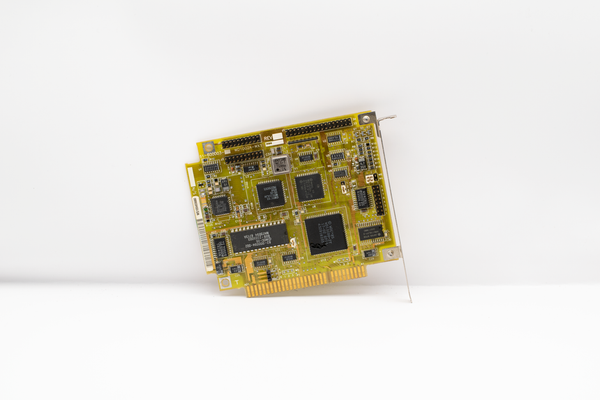
Four decades in technology is legitimately impressive. Gigabyte survived the transition from ISA slots to PCIe 5.0, from VGA to HDMI 2.1, from single-core CPUs to modern 16-core monsters.
This anniversary lineup feels like a proper celebration rather than just another product refresh. The attention to detail and willingness to experiment with new manufacturing techniques shows a company that's still innovating after all these years.
When I see releases like this, it reminds me why I got into PC building in the first place. The intersection of cutting-edge tech and genuine craftsmanship never gets old.
What This Means for Your Next Build
Should you wait for these Infinity products before planning your next upgrade? Depends on your priorities and timeline.
If you're building right now, current GPU options are already excellent. But if you can wait a few months and aesthetic cohesion matters to your build theme, these Infinity products might be worth the patience.
Pricing will be the make-or-break factor. Premium materials and manufacturing processes cost money, but there's a line between "premium" and "ridiculous." Gigabyte needs to nail that balance.
The MicroATX Stealth boards intrigue me most — finally, some innovation in a form factor that's been stagnant for years. Combined with the right compact GPU, these could enable some seriously clean SFF builds that don't compromise on features.
Anniversary products usually sell out fast among enthusiasts, so if any of these catch your eye, don't sleep on preorders. Just like that limited edition Secret Lair drop you kept meaning to buy — hesitation leads to regret and inflated secondary market prices.














Leave a Comment