


Kevin O'Leary Blames Chinese Propaganda for Anti-Datacenter Movement — What This Means for Gaming Hardware and PC Components
Shark Tank's Kevin O'Leary just dropped a bombshell that's got the tech world buzzing. He's claiming that hundreds of millions of Chinese dollars are being funneled into anti-datacenter propaganda campaigns designed to kneecap America's AI dominance. The Trump administration is backing these claims, and honestly? This whole situation is way more connected to your gaming rig than you might think.
Look, I spend my days working with PC components and gaming hardware at our shop here in Orange, TX, and the ripple effects of datacenter politics hit way closer to home than most gamers realize. When datacenters can't expand or get built, it doesn't just affect some abstract AI race — it impacts everything from GPU availability to server-grade components trickling down to consumer markets.
The Datacenter Drama Explained
O'Leary isn't mincing words here. He's pointing fingers at what he calls a coordinated campaign to turn Americans against datacenter construction through environmental and community concerns. The guy's claiming this is straight-up economic warfare.
Here's what's wild: these datacenters aren't just some corporate vanity project. They're the backbone of everything we use daily — from cloud gaming services like GeForce Now to the AI-powered features creeping into our favorite games. Remember when NVIDIA's DLSS completely changed the performance game for RTX cards? That tech came from datacenter-level AI research.
"We're seeing opposition that seems too well-funded and coordinated to be grassroots," O'Leary stated, suggesting foreign interference in American infrastructure development.
The timing isn't coincidental either. As China pushes their own AI initiatives and semiconductor manufacturing, any delay in American datacenter expansion gives them breathing room to catch up. It's like purposely lagging out your opponent's connection in a competitive match — dirty pool, but effective.
Why Gamers Should Actually Care
You might be thinking: "Jordan, I just want my 4090 to run Cyberpunk 2077 at 4K 120fps. Why should I care about datacenter politics?" Fair question. But here's the thing — these facilities directly impact gaming hardware development and availability.
Datacenters drive massive demand for cutting-edge silicon. When NVIDIA designs new architectures, they're not just thinking about your gaming needs — they're considering datacenter customers dropping millions on H100s and A100s. That datacenter money funds the R&D that eventually trickles down to consumer GPUs.
Personally, I think the connection between datacenter health and gaming hardware innovation is underappreciated. When I'm helping customers build their custom gaming PCs, the latest and greatest components exist because of this enterprise demand. Kill the datacenter market, and you're essentially kneecapping future GPU generations.
The Foreign Interference Angle
Hot take: whether or not you believe O'Leary's specific claims about Chinese funding, the broader point about foreign influence on American tech infrastructure is legit concerning. We've seen similar patterns in other industries where coordinated campaigns mysteriously appear whenever American companies gain competitive advantages.
The semiconductor wars aren't just about who makes the best chips — they're about who controls the infrastructure that powers everything from your gaming setup to national defense systems. China's been pretty open about wanting to dominate AI and reduce dependence on American tech companies. Funding anti-datacenter sentiment? Honestly, it's a smart play if you're trying to slow down your competition.
But here's where I'm genuinely uncertain: how much of the anti-datacenter movement is legitimate environmental concern versus coordinated opposition? Local communities have real reasons to worry about power consumption, water usage, and property values. Data centers are legitimately massive power draws — we're talking hundreds of megawatts for large facilities.
Impact on Gaming Hardware Markets
This whole situation creates some weird market dynamics for PC components. Reduced datacenter expansion could mean less competition for high-end silicon, potentially improving availability for consumer markets. Remember the GPU shortage during crypto mining madness? Datacenters compete for similar components, just at different scales.
On the flip side, slower datacenter growth means less funding for next-gen development. Those insane AI workloads push hardware manufacturers to innovate faster than consumer gaming ever could. Without that enterprise pressure, we might see slower improvements in gaming hardware generations.
NVIDIA's current dominance in both gaming and datacenter markets isn't accidental — they've leveraged their gaming expertise to dominate AI workloads, then fed that revenue back into better gaming products. Disrupt one side of that equation, and the whole cycle slows down.
What This Means for Your Next Build
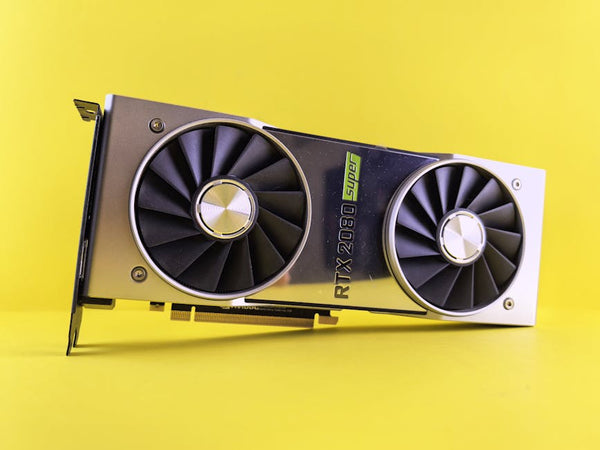
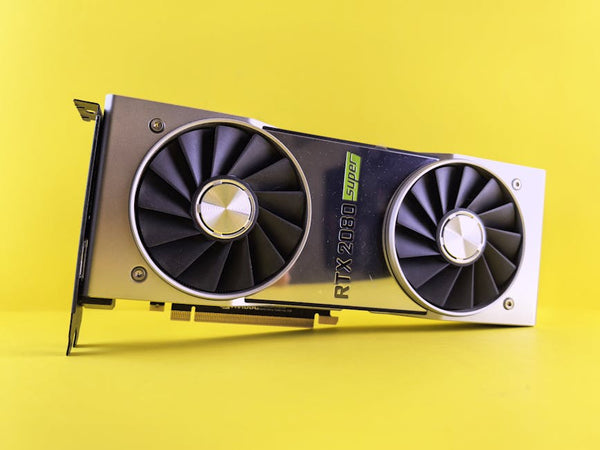
Realistically, this datacenter drama won't immediately affect your current build plans. The RTX 4080 I recommended to a customer yesterday isn't suddenly going to disappear from shelves. But looking ahead to RTX 5000 series and beyond? The health of America's datacenter industry could directly impact what innovations make it to consumer cards.
AMD's making serious moves in the datacenter space with their EPYC processors and Instinct accelerators. If anti-datacenter sentiment successfully slows American expansion, it could level the playing field for international competitors in ways that eventually impact consumer choice and pricing.
The Trump administration's backing of these foreign interference claims suggests we might see policy responses. Federal support for datacenter development could accelerate, or we might see investigations into funding sources for opposition campaigns. Either way, the outcome shapes the landscape for gaming hardware development.
Looking Forward
Whether O'Leary's conspiracy theories pan out or not, the underlying tension is real. American tech dominance depends on infrastructure that supports both current operations and future innovation. Gaming hardware sits right in the middle of this battle — benefiting from datacenter demand while competing for the same underlying components.
The next few years will determine whether American companies maintain their edge in AI and gaming hardware development. If coordinated opposition successfully slows datacenter expansion, expect ripple effects throughout the PC components market. Your 2027 gaming rig might look very different depending on how this plays out.
For now, build what makes sense for your current needs. But keep an eye on these larger infrastructure battles — they're shaping the future of gaming hardware whether we like it or not.











Leave a Comment