


Pumping 1.7 Volts Into a 6700K: When Overclocking Gets Absolutely Mental
So there's this absolute madman on YouTube who decided to torture a poor Core i7-6700K with 1.7 volts just to squeeze more performance out of an RTX 3080. Bro really said "safety guidelines are just suggestions" and went full send on an eight-year-old CPU. The result? A ludicrous 5.2 GHz overclock that bumped GPU utilization from a pathetic 60% to a slightly-less-pathetic 74%.
Look, I've built over 50 gaming PC systems, and I've seen some sketchy stuff. But watching someone slam nearly double the recommended voltage into a Skylake chip had me genuinely concerned for that silicon's wellbeing. This whole experiment perfectly captures the eternal struggle of PC builders: what do you do when your CPU becomes the weakest link in your gaming PC build?
The 6700K Bottleneck Problem Is Real
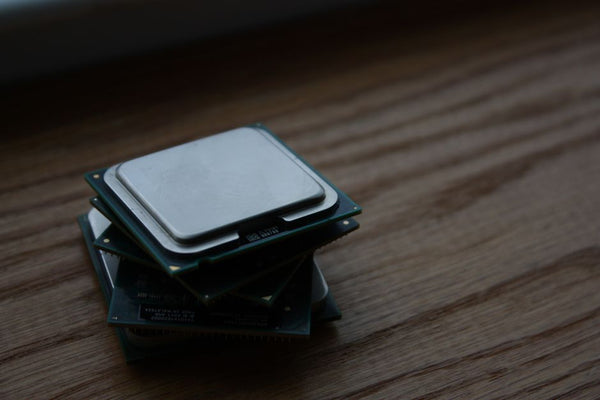
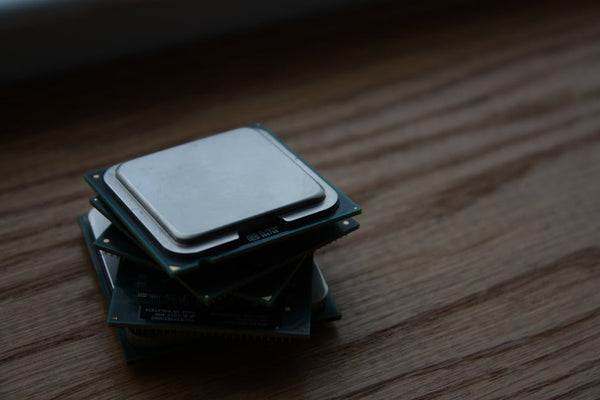
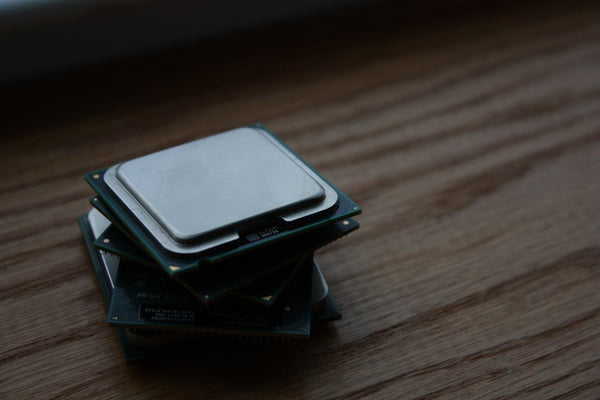
Let's get real for a second. The i7-6700K was a beast back in 2015 — four cores, eight threads, and it could hit some decent clocks. But pairing it with an RTX 3080 in 2024? That's like putting racing slicks on a Honda Civic and expecting miracle lap times.
The math is pretty brutal here. Your average RTX 3080 can push serious frames at 1440p, but a 6700K running at stock 4.0 GHz (4.2 GHz boost) just can't feed it data fast enough. The result is exactly what this YouTuber experienced: GPU utilization sitting around 60% because the CPU is basically having a panic attack trying to keep up.
I see this scenario constantly when customers walk into our shop here in Orange, TX with older builds they want to upgrade. They'll drop $700 on a shiny new graphics card and wonder why their frame rates didn't double. The 6700K bottleneck with modern GPUs is textbook example number one.
Why Four Cores Just Ain't Enough Anymore
Modern games are finally using more than four cores. Cyberpunk 2077 will happily eat up six or eight cores for breakfast. Hell, even older titles like Battlefield V show massive improvements when you've got more threads to work with.
The 6700K's four cores get absolutely slammed when you're running a game that wants to use multiple threads, plus Windows background tasks, plus maybe Discord or a browser tab. It's like asking one person to juggle while riding a unicycle — technically possible, but probably not optimal.
1.7 Volts: The Voltage That Melts Dreams
Now let's talk about the elephant in the room. 1.7 volts on a 6700K is absolutely insane. Intel recommends staying under 1.35V for daily use, and even hardcore overclockers usually cap out around 1.45V for anything they plan to use for more than five minutes.
This madman went full YOLO mode. 1.7 volts is the kind of voltage you use for extreme overclocking records where you're running liquid nitrogen and the session lasts maybe ten minutes before something catches fire.
Honestly, I'm impressed the chip didn't immediately turn into expensive silicon confetti. The fact that it actually booted and ran stable enough to complete benchmarks is genuinely shocking. That's some quality silicon lottery right there.
The Heat Situation Must Have Been Apocalyptic
Can you imagine the thermal situation here? Even with what I'm assuming was some serious cooling setup, that 6700K was probably running hotter than my ex-girlfriend's temper. We're talking well over 90°C under load, possibly kissing triple digits.
The power consumption alone would make your electricity meter start crying. A 6700K at 1.7V and 5.2 GHz is probably pulling close to 200 watts, which is more than some entire gaming systems use.
The Results: Worth It or Nah?
So after all that voltage abuse, what did our intrepid overclocker actually achieve? GPU utilization went from 60% to 74%. That's... honestly better than I expected, but still pretty disappointing when you consider the risks involved.
A 14% improvement in GPU utilization might translate to maybe 10-15% better frame rates in CPU-bound scenarios. If you were getting 45 FPS before, you might see 50-52 FPS after. Not exactly the revolutionary performance boost you'd hope for after committing what amounts to silicon war crimes.
Personally, I think this whole experiment perfectly demonstrates why throwing money at extreme overclocking isn't always the answer. Sometimes you just need to accept that your platform has reached its limits.
The Real World Reality Check
Here's the thing nobody talks about in these extreme overclocking videos: you can't actually game like this long-term. That 1.7V overclock is a party trick, not a daily driver. You'd be looking at degraded performance within weeks, assuming the chip doesn't just straight-up die first.
Even backing down to a more reasonable 1.4V overclock, you're probably looking at a 4.6-4.8 GHz all-core boost, which would still help with that RTX 3080 bottleneck but won't require a small nuclear reactor for cooling.
Better Solutions for Gaming PC Build Bottlenecks
Look, I get it. Nobody wants to hear that their lovingly-built custom gaming PC needs a platform upgrade. But sometimes that's just reality.
If you're dealing with a 6700K bottleneck situation, you've got a few options that don't involve potentially destroying your CPU. A used 7700K might give you slightly better performance due to higher clocks, but you're still stuck with four cores.
The honest answer? Save up for a platform upgrade. A modern six-core like a 12400F or 5600X would absolutely demolish that 6700K in CPU-bound scenarios. We're talking 30-40% better performance in many games, not the 14% improvement you get from extreme overclocking.
When Overclocking Actually Makes Sense
Don't get me wrong — I'm not anti-overclocking. I've pushed plenty of chips beyond their comfort zones. But there's smart overclocking and there's whatever this voltage situation was.
Smart overclocking on a 6700K means finding the highest stable frequency under 1.35V, which usually lands you around 4.4-4.6 GHz depending on your silicon lottery luck. That's still a nice performance boost without turning your CPU into a potential fire hazard.
Hot take: if you need 1.7V to make your gaming experience acceptable, it's time to upgrade, not overclock. Your electricity bill and stress levels will thank you.
This whole experiment is a perfect reminder that sometimes the best PC build guide is knowing when to walk away from extreme solutions. Sure, watching someone pump ridiculous voltage into old hardware makes for entertaining YouTube content, but it's not exactly practical advice for your daily gaming rig. When you're ready to actually solve that bottleneck problem properly, shop GPUs at TieredUp Tech — just maybe pair them with something newer than a 2015 CPU.
















Leave a Comment