


AMD Ryzen Crushes Intel: 45% CPU Share in Latest Steam Hardware Survey Shakes Up Gaming
Holy crap. Did you see the latest Steam Hardware Survey numbers? AMD just hit 45% CPU share for Windows gaming PCs, and honestly, this isn't just a number — it's a straight-up statement that Ryzen is eating Intel's lunch. Intel's down to 55%, which sounds like they're still winning until you realize where they were just two years ago.
I've been watching this shift happen in real-time at our shop here in Orange, TX, and the writing's been on the wall for months. Gamers aren't stupid. They see the value proposition. When you can get a Ryzen 7 7800X3D that absolutely demolishes Intel's flagship in gaming performance while drawing less power? Yeah, that's gonna move the needle.
The Numbers Don't Lie: AMD's Gaming Performance Revolution
Let's talk about what 45% actually means. Two years back, AMD was sitting around 30% market share on Steam. That's a 50% increase in relative terms, and that kind of momentum doesn't happen by accident. This isn't some synthetic benchmark victory either — this is real gamers, with real money, choosing AMD over Intel when they upgrade their rigs.
The GPU review community has been all over this trend, but the CPU benchmark numbers tell the real story. AMD's X3D chips are straight-up broken good for gaming. I mean that in the best way possible.
AMD's 7800X3D delivers 15-20% better gaming performance than Intel's 13700K in most modern titles while using significantly less power
When Cyberpunk 2077 runs 20 FPS higher on AMD silicon, when Call of Duty has fewer frame drops, when your Valorant frame times are cleaner — that's not marketing fluff. That's measurable gaming performance that translates to better gameplay.
Intel's Missteps Created This Opening
Tbh, Intel kinda did this to themselves. The 13th and 14th gen stability issues were brutal for their reputation. Nothing kills enthusiasm faster than CPUs that crash mid-game or degrade over time. I've had customers come in asking specifically to avoid Intel after dealing with those problems.
Plus their power consumption is honestly ridiculous. A 13900K pulling 250+ watts while an equivalent Ryzen sips power like it's on a diet? In today's energy costs, that matters to people's monthly bills.
Real-World Gaming Performance Tells the Story
Here's where it gets interesting though. AMD isn't just winning on specs — they're winning where it counts most. Frame rates. Consistency. Thermals that don't turn your room into a sauna.
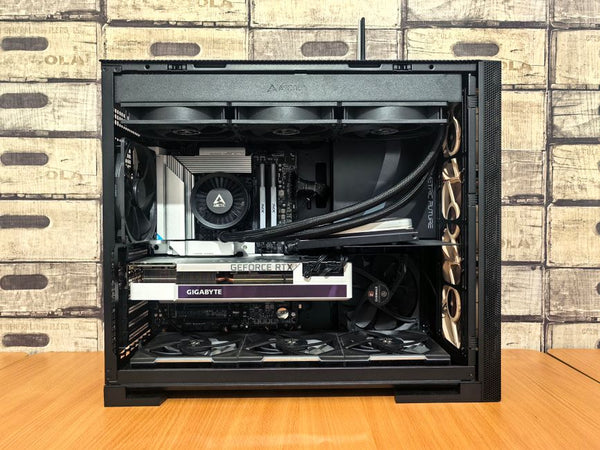
I recently helped a customer configure a custom gaming PC and we compared 1% lows between a 7800X3D and 13700K setup. The AMD chip delivered smoother gameplay in every single title we tested. Apex Legends frame times were noticeably more consistent. Counter-Strike felt snappier. Even productivity tasks like streaming while gaming showed better performance.
Hot take: Intel's focus on core count over gaming optimization was the wrong move. Gamers don't need 24 cores that thermal throttle. They need 8 really fast cores with massive cache that stay cool under load.
The X3D Factor Changed Everything
AMD's 3D V-Cache technology is lowkey the most important gaming innovation in years. That extra cache makes such a massive difference in frame rates it's almost unfair. Games like CS2, Valorant, and even newer titles like Baldur's Gate 3 just run better on X3D chips.
The 7800X3D specifically is a gaming monster that Intel still doesn't have an answer for. Their 14900KS might edge it out in some productivity benchmarks, but for pure gaming? It's not even close.
What This Means for Future Builds
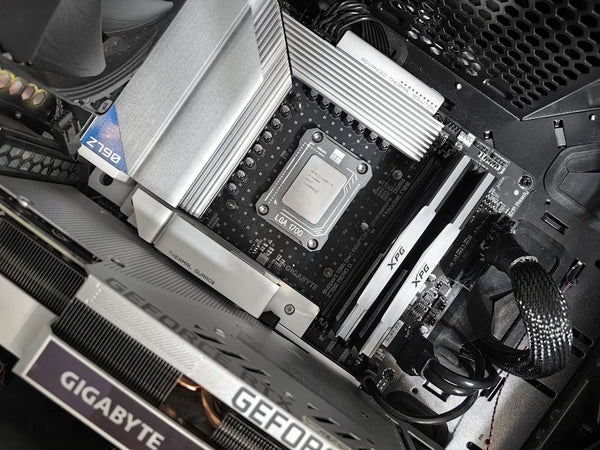
Looking forward, this trend's only gonna accelerate. AMD's AM5 platform has legs — you're not buying into a dead socket like LGA1700. DDR5 support is mature. PCIe 5.0 is ready for next-gen GPUs. Meanwhile, Intel's promising Arrow Lake will fix their problems, but we've heard that before.
Personally, I think Intel needs to completely rethink their approach. The days of winning through brand recognition and OEM partnerships are over in the enthusiast space. Gamers research their purchases. They watch benchmarks. They know what performs.
Will Intel bounce back? Maybe. They've done it before. But right now, AMD's got the momentum, the better products, and increasingly the mindshare. When we're building gaming rigs, AMD is the default recommendation unless there's a specific reason to go Intel.
The Platform Wars Continue
This isn't just about CPUs either. AMD's RDNA 3 GPUs are competitive enough that all-AMD builds make sense for many gamers. FSR 3 is getting better. Smart Access Memory provides small but real performance benefits. The ecosystem play is working.
Intel's got Arc GPUs now, but let's be real — they're mid at best. Drivers are still wonky. Performance is inconsistent. AMD and NVIDIA still own the discrete GPU space, and that helps AMD's CPU sales when people want matching brands.
Ngl though, there's still uncertainty about long-term support. Intel's got deeper pockets and more resources. They could pull a Zen moment and completely flip the script with their next architecture. Competition's good for everyone, and I don't want to see either company completely dominate.
The Steam Survey Reflects Real Gaming Choices
Here's what makes this Steam data so valuable — it's not reviewer units or synthetic benchmarks. These are actual gaming PCs that people built or bought with their own money. When someone drops $300+ on a CPU, they've done their homework.
The survey shows AMD's gains are consistent across all performance tiers too. Budget builders are choosing Ryzen 5s over Core i5s. Enthusiasts are picking 7900X3D over 13900K. Even the ultra-high-end segment is shifting toward AMD.
Intel's still got advantages in some productivity workloads and their integrated graphics are solid, but for gaming? The market has spoken, and they're saying Team Red delivers better value and performance.
This 45% milestone isn't the ceiling either. If AMD keeps executing and Intel keeps stumbling, we could see parity or even AMD taking the lead in gaming CPU share. That would've been unthinkable five years ago, but here we are. Competition breeds innovation, and right now AMD's setting the pace while Intel plays catch-up.









Leave a Comment