


Gaming PC Deflects Bullet Shot Through Wall: When Your Custom Gaming PC Literally Saves Your Life
Okay, this is absolutely wild. A Redditor's gaming PC just took a bullet for them. Literally. Some neighbor accidentally (allegedly) fired a round through the wall, and this person's rig absorbed the impact like some kind of RGB-powered body armor. The bullet hit their G.Skill RAM sticks, splintered them to hell, but stopped the round from continuing its deadly trajectory.
Let me repeat that because it sounds like something out of a fever dream: a gaming PC build just saved someone's life by stopping a bullet. The shooter? Claims her dog somehow made the firearm go off. Yeah, right. Criminal negligence charges are incoming, and honestly, they should be.
But here's what's got me absolutely fascinated as someone who builds these machines daily — this incident highlights something we never talk about when configuring custom gaming PCs. Your components aren't just pushing pixels and frames. They're dense, they're solid, and apparently they can stop projectiles.
The Physics of Gaming Hardware vs Bullets
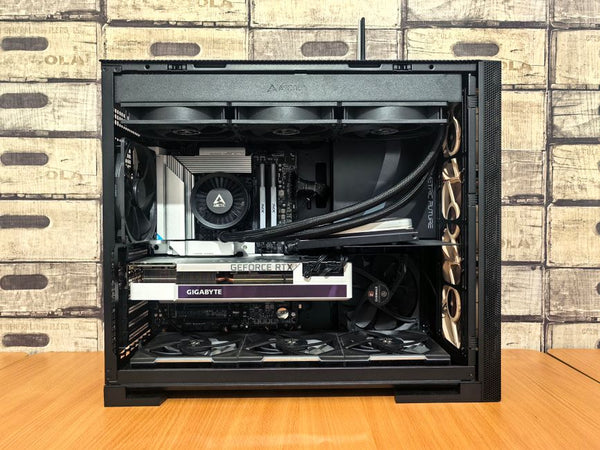
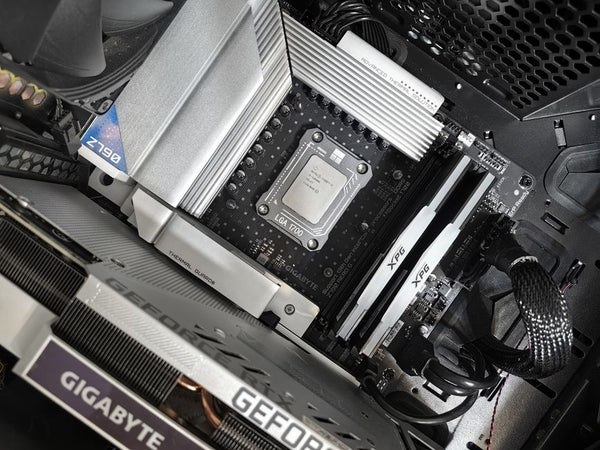
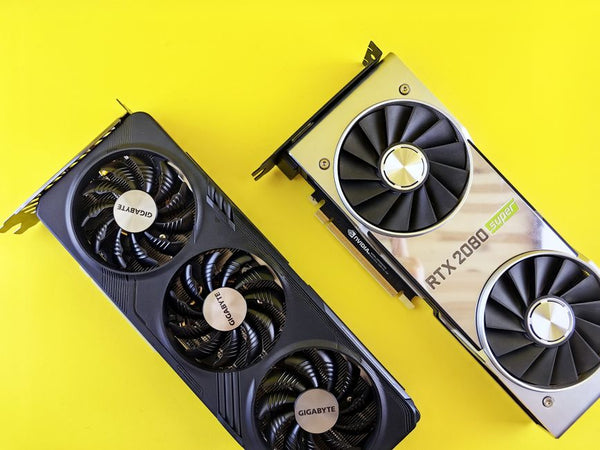
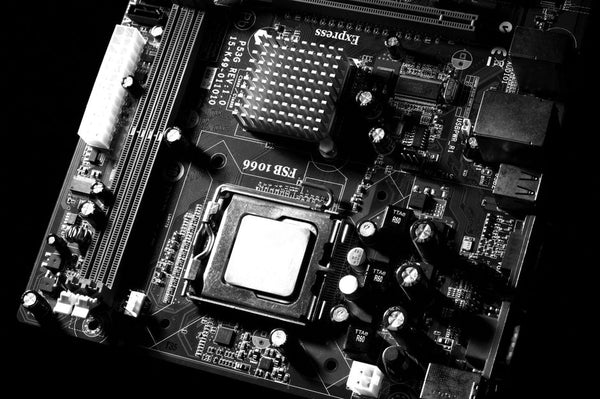
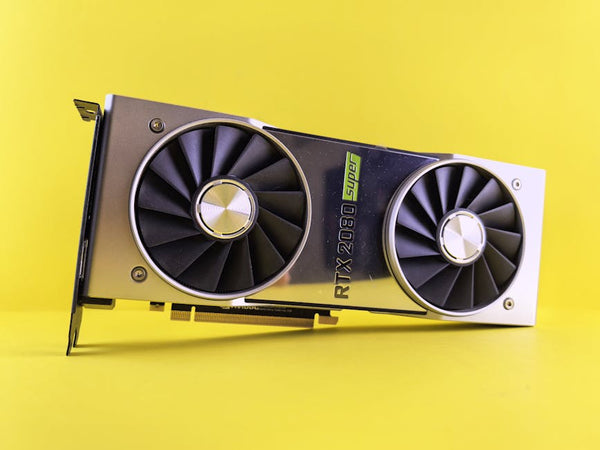
Think about what's actually inside your tower. Dense metal heat sinks. Thick PCB layers. Multiple RAM sticks packed with chips and circuitry. A GPU that weighs 3-4 pounds and has a metal shroud thick enough to dissipate 300+ watts of heat. SSDs with aluminum housings. Power supplies with transformers and capacitors.
This isn't some flimsy office computer we're talking about. Modern gaming builds are basically small metal fortresses. I've dropped GPUs accidentally while building systems at the shop, and those things could probably dent concrete.
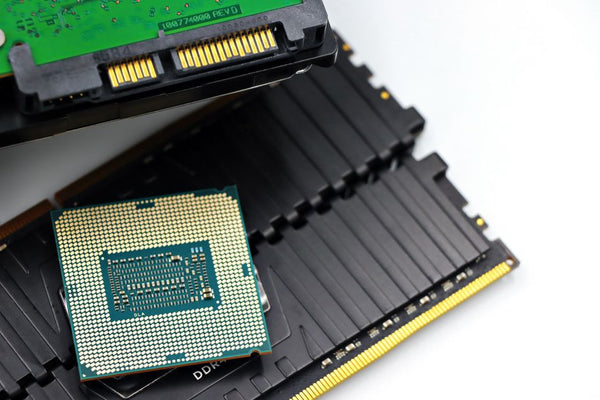
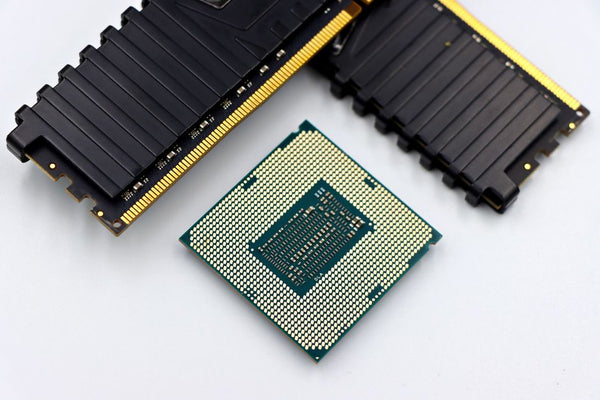
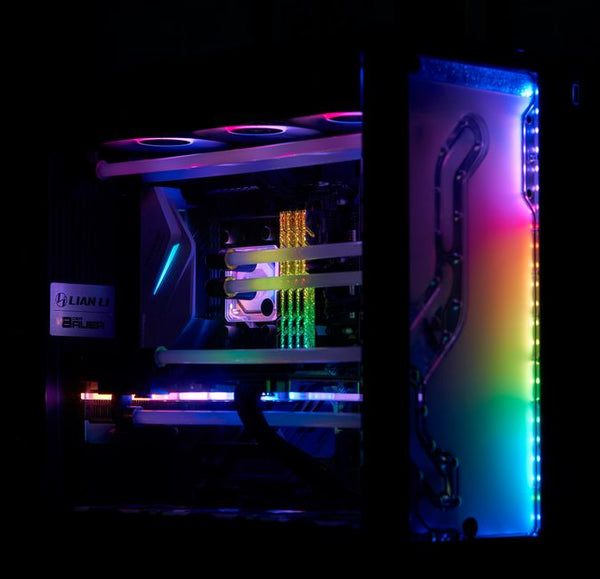
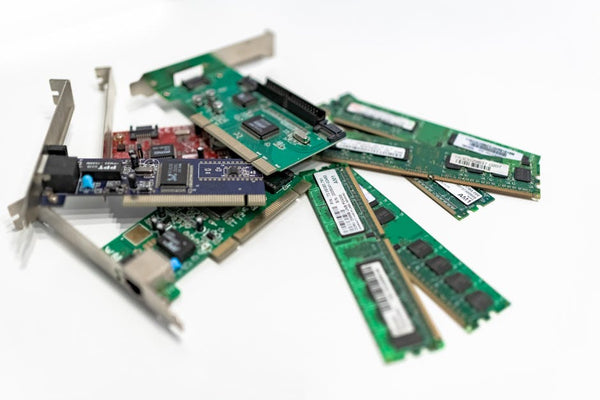
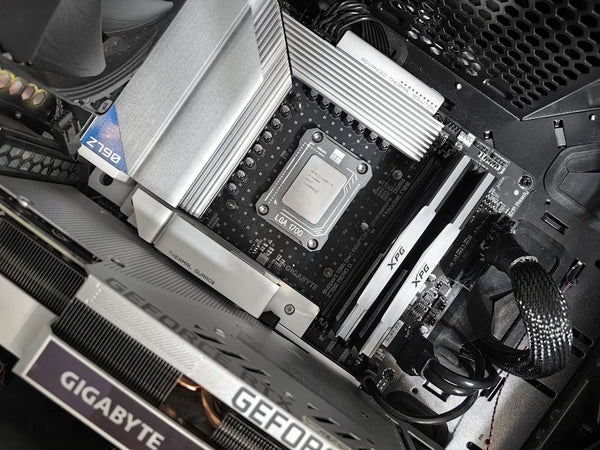
The G.Skill RAM that took the hit? Those sticks have heat spreaders made from aluminum alloy. They're designed to handle thermal stress, but apparently ballistic stress too. Who knew that DDR4-3600 could double as body armor?
What Actually Happened to the Hardware
From what the Redditor shared, the bullet fragmented the RAM sticks completely. Obliterated. But here's the thing — that destruction absorbed kinetic energy. Physics 101: energy has to go somewhere. Instead of continuing through the wall and potentially hitting the owner, that energy got dissipated into destroying expensive memory modules.
Honestly, this makes me think differently about component placement. We always worry about airflow, cable management, and aesthetics. But what if we started considering... ballistic protection? Okay, that's probably taking it too far, but you get the idea.
The Legal Side of This Nightmare
Criminal negligence charges are being filed, which is exactly what should happen. The neighbor's excuse? Her dog made the gun go off. I'm sorry, but that's the most ridiculous defense I've ever heard. Firearms don't just accidentally discharge unless there's serious negligence involved.
Personally, I think anyone who can't properly secure their weapons shouldn't own them. Period. This gaming enthusiast could've been killed because someone couldn't be bothered to follow basic gun safety. That's not an accident — that's criminal stupidity.
But let's talk about the property damage angle too. That gaming PC probably cost $2000-3000 minimum. The RAM alone was likely $200-400. Graphics cards are expensive enough without having to replace them because of ballistic damage. Who's covering those costs? The insurance implications here are mind-boggling.
What This Means for Gaming PC Security
This incident got me thinking about component durability in ways I never expected. When I'm helping customers at our shop in Orange, TX configure their builds, we talk about thermal performance, overclocking headroom, and upgrade paths. We don't discuss bulletproof ratings.
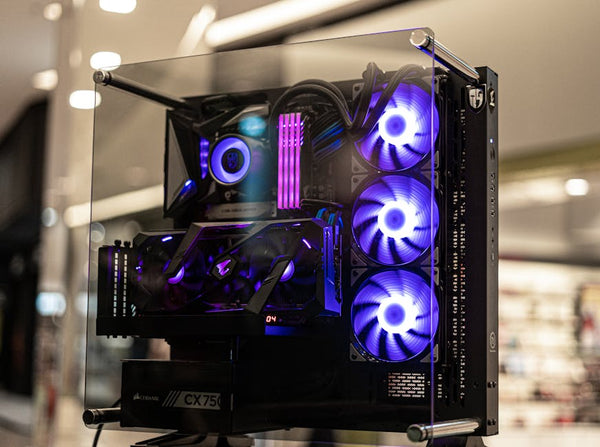
But maybe we should consider the protective qualities of different cases? Steel vs aluminum construction suddenly seems more important. Tempered glass side panels are gorgeous, but they're not stopping anything more dangerous than a curious cat.
The Unintentional Armor of Modern Components
Your average gaming PC contains enough metal to stop small caliber rounds, apparently. High-end air coolers like the Noctua NH-D15 are basically metal towers. Custom loop radiators are thick aluminum slabs. Even NVMe SSDs have substantial heatsinks these days.
Hot take: this might be the first documented case of PC gaming equipment functioning as life-saving armor. It's like wearing plate mail, except instead of medieval combat, you're protected from negligent neighbors while trying to hit your Valorant headshots.
The irony is incredible though. This person was probably just chilling, maybe in a Discord call or grinding ranked matches, when their rig literally took a bullet for them. That's the kind of loyalty you can't get from console gaming.
Component Durability Gets Real
We always stress-test components for thermals and performance. But ballistic resistance? That's not in any spec sheet I've seen. Makes you wonder what other extreme situations our builds could survive.
I've seen gaming PCs survive floods, earthquakes, and house fires (sometimes). But this is next level. The G.Skill RAM died a hero's death, protecting its owner from criminal negligence. Those memory modules deserved a Viking funeral, not just a replacement RMA.
This gaming PC probably saved its owner's life while they were just trying to enjoy their hobby. That's the most metal thing I've heard all year.
Insurance and Replacement Considerations
Here's a practical question nobody's asking: how do you file an insurance claim for bullet damage to your gaming rig? "Dear State Farm, my RTX 4080 was destroyed by ballistic impact while defending my life..." That's not a form they probably have ready.
The replacement costs are going to be substantial. Modern gaming builds aren't cheap, and this system took catastrophic damage. Plus, good luck finding equivalent RAM sticks in today's market. Supply chains are weird enough without factoring in bullet holes.
Building Different After This
This whole situation makes me look at custom gaming PC builds differently. Sure, we focus on frame rates and latency. But there's something to be said for the substantial construction of high-end components.
Ngl, I'm lowkey impressed that the system held together enough to stop a projectile. That's quality engineering, even if it wasn't intentional. The component manufacturers probably never imagined their products would be tested this way.
Would I recommend buying a gaming PC for protection? Absolutely not. Would I feel a little safer knowing my rig is dense enough to stop small arms fire? Maybe. It's a weird flex, but here we are.
The Future of Accidental Armor
This incident raises questions about component placement and case design that nobody was asking before. Should we be thinking about protective arrangements? Probably not, but it's fascinating to consider.
What's certain is that this Redditor's story will become legendary in PC building circles. Their RAM sticks made the ultimate sacrifice, trading their performance for their owner's life. That's dedication to duty you rarely see outside of military hardware.
The charges against the neighbor better stick. This kind of negligence could've ended tragically, and the gaming community deserves justice. Plus, somebody needs to pay for that destroyed hardware. Those G.Skill sticks died heroes, and heroes deserve proper compensation.

























Leave a Comment