


ASUS ROG Zephyrus G16 Gaming Laptop Deal: Is $1,575 Worth It for RTX 5070 Performance?
Holy shit. ASUS just dropped the price hammer on the ROG Zephyrus G16, and I'm honestly trying to figure out if this is too good to be true. $575 off brings this beast down to $1,575, which puts serious RTX 5070 mobile power in reach for way more gamers than usual.
Here's the thing though — I've been burned by "amazing deals" before. Sometimes that discount comes with compromises you don't see until you're three months into ownership, wondering why your frames are stuttering in Valorant during crucial clutch moments.
The Specs That Actually Matter for Gaming Performance
Let's cut through the marketing fluff. This Zephyrus G16 packs an RTX 5070 mobile GPU, which is legitimately exciting. Not the desktop version obviously, but mobile 5070 performance has me curious about 1440p gaming potential.
The 240Hz OLED display? That's where things get spicy. We're talking about true 240Hz response times with OLED contrast ratios that make your current gaming monitor look like a Nokia brick phone screen. For competitive FPS players, this could be huge.
Intel Core Ultra 9 processor sounds impressive, but let's be real — laptop CPUs aren't desktop CPUs. Still, for a gaming PC build alternative, you're getting solid multi-core performance that won't bottleneck that RTX 5070 in most scenarios.
16GB RAM is decent. Not amazing, but decent. You'll want to upgrade this eventually if you're running Chrome with 47 tabs open while streaming and gaming simultaneously like some kind of digital masochist.
Real-World Gaming Performance Expectations
So what kind of framerates are we actually talking about here? Based on early RTX 5070 mobile benchmarks, you're looking at solid 1440p performance in most current titles.
Cyberpunk 2077 with DLSS 3? Probably hitting 80+ FPS at high settings. Valorant and CS2? You'll max out that 240Hz display easily. Apex Legends should cruise around 140-160 FPS at competitive settings. These aren't synthetic benchmark numbers — this is real gaming performance that matters when you're trying to hit those flick shots.
Personally, I think the RTX 5070 mobile is the sweet spot for 2024 gaming. You get DLSS 3 frame generation, solid ray tracing performance, and enough VRAM to handle modern textures without looking like a potato.
The OLED Display Game-Changer Factor
Can we talk about this OLED panel for a second? 240Hz OLED isn't common in laptops, and definitely not at this price point after the discount.
OLED means true blacks. Like, actually black blacks, not the gray-ish "black" you get from most gaming monitors. The contrast ratio difference is night and day when you're playing atmospheric games like Dead Space or even spotting enemies in darker areas of Call of Duty maps.
But here's my concern — OLED burn-in. Gaming laptops get used hard, and static UI elements from games like World of Warcraft or any competitive shooter can potentially cause permanent image retention over time. ASUS says they've implemented burn-in protection, but honestly? Time will tell if that actually works long-term.
Thermal Performance Reality Check
This is where laptop reviews get tricky. Every tech YouTuber shows perfect temperatures in their climate-controlled studio, but what about when you're gaming in Texas heat without AC cranked to arctic levels?
The Zephyrus series has historically been pretty good with thermals, but an RTX 5070 in a thin laptop chassis is always going to be a balancing act. Expect some thermal throttling under sustained loads, especially if you're pushing both CPU and GPU simultaneously.
Pro tip from experience at our shop in Orange, TX: laptop cooling pads aren't just accessories — they're necessities for maintaining peak performance during long gaming sessions.
Build Quality vs Desktop Gaming PC Build Alternatives
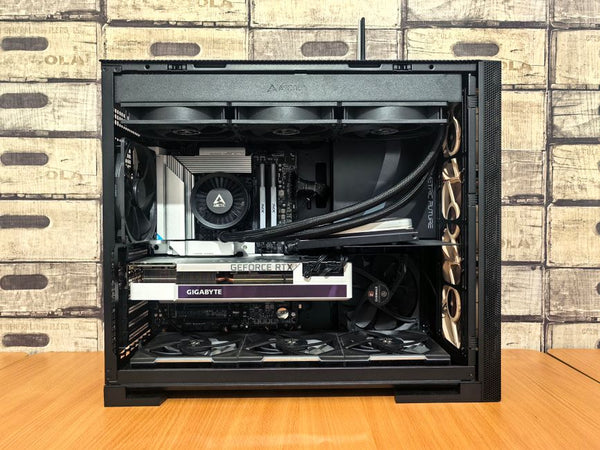
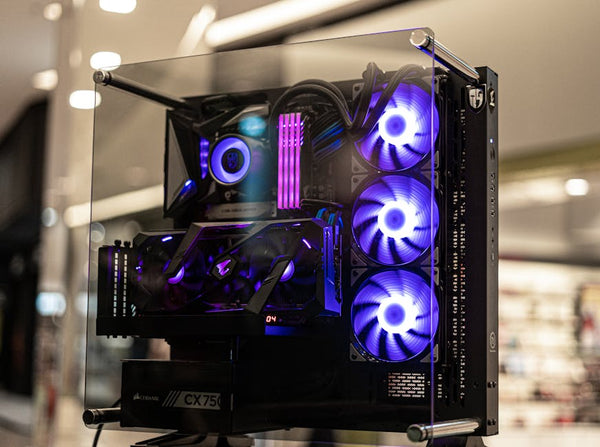
Here's where things get interesting for your custom gaming PC considerations. At $1,575, this laptop is competing directly with mid-range desktop builds that could include similar or better components.
A desktop RTX 5070 plus supporting hardware would run you roughly $1,400-1,600 depending on your choices. But you'd need a monitor, peripherals, and you lose portability completely. The value proposition becomes murky real quick.
Hot take: if you need portability for LAN parties, dorm gaming, or travel, this deal makes sense. If you're strictly gaming at a desk setup and never moving your rig? Build a desktop instead.
The laptop's build quality looks solid based on previous Zephyrus models I've handled. Aluminum construction, decent keyboard, and ports that don't feel like they'll break if you look at them wrong. But laptop keyboards will never feel like a proper mechanical gaming keyboard — that's just physics.
Storage and Upgrade Potential
1TB SSD is respectable for a gaming laptop. Modern games are absolute storage hogs though — MW2 alone eats like 150GB. You'll probably want additional storage within a year if you keep multiple AAA titles installed.
The good news? This should have upgradeable M.2 slots for additional NVMe drives. RAM upgrades might be trickier depending on whether ASUS went with soldered or socketed memory, but 16GB should handle most current gaming scenarios.
Just don't expect the upgrade experience to be as straightforward as working on a custom gaming PC where everything's accessible and documented. Laptop disassembly can be... an adventure.
Price Analysis: Deal or Hype?
$575 off sounds massive, but let's be honest about laptop MSRP pricing. Manufacturers often set artificially high launch prices specifically so they can offer "huge discounts" later. Still, $1,575 for RTX 5070 mobile performance is legitimately competitive.
When I compare this to what customers typically spend building equivalent gaming PCs, the math actually works out favorably for the laptop — assuming you value portability and the included display.
But here's my uncertainty: RTX 5070 mobile pricing is still stabilizing. Will this price point become normal in six months? Or is this genuinely a limited-time opportunity? Nobody knows for sure, and that makes the decision trickier.
Who Should Actually Buy This
College gamers? Absolutely. The portability factor alone makes this worthwhile if you're moving between dorms, apartments, or gaming at friends' places regularly.
Content creators who game? The OLED display could be fantastic for editing work alongside gaming performance. Though you'll want to calibrate it properly for accurate colors.
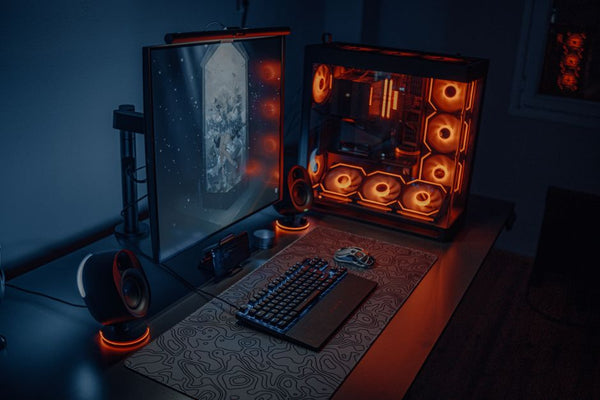
People with limited desk space? Yeah, this makes sense. A good gaming laptop setup can be way cleaner than a full desktop + monitor configuration if space is at a premium.
But if you're purely focused on maximum FPS per dollar and never leave your battle station? Shop GPUs at TieredUp Tech and build something custom instead. You'll get better price/performance and upgrade flexibility.
The Real Talk on Laptop Gaming vs Desktop Performance
Look, I love laptops for certain use cases, but let's not pretend they're equivalent to desktop gaming. That RTX 5070 mobile won't perform identically to a desktop 5070. Thermal constraints and power limitations are real.
You're probably looking at 10-15% lower performance compared to desktop equivalents, maybe more under sustained loads. For competitive gaming where every frame matters, that difference could be significant.
The 240Hz OLED display partially compensates by providing incredibly smooth motion and excellent response times. But if you're serious about competitive FPS gaming, you'll probably end up connecting to an external monitor anyway for optimal positioning and viewing angles.
That said, this Zephyrus hits a sweet spot for gamers who want serious performance but can't commit to a full desktop setup. The convenience factor is genuinely valuable, even if pure performance per dollar favors desktops.
Will RTX 5070 mobile handle the next three years of gaming? Probably, especially with DLSS helping maintain playable framerates as games get more demanding. Whether that OLED panel survives three years of heavy gaming without burn-in issues? That's the real question mark here.
At $1,575, this deal transforms the Zephyrus G16 from "expensive but nice" into "actually competitive with desktop alternatives." Whether that's worth pulling the trigger depends entirely on how much you value that portability premium over raw performance and upgradeability.



















Leave a Comment