


Intel's New iGPU-less Core 200H Chips: Smart Move or Weird Flex?
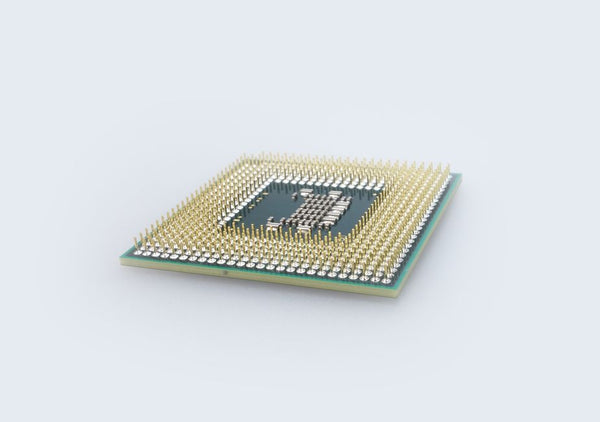
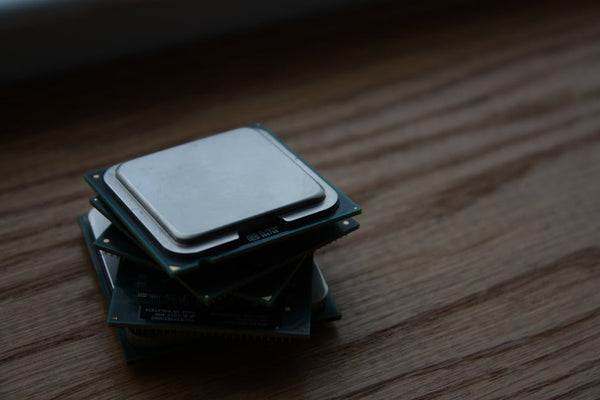
So Intel just dropped two new PC components into their Core 200H lineup, and honestly? I'm scratching my head a bit. The Core 7 230H and Core 5 205H are basically Raptor Lake chips with their integrated graphics completely disabled. No iGPU. Zilch.
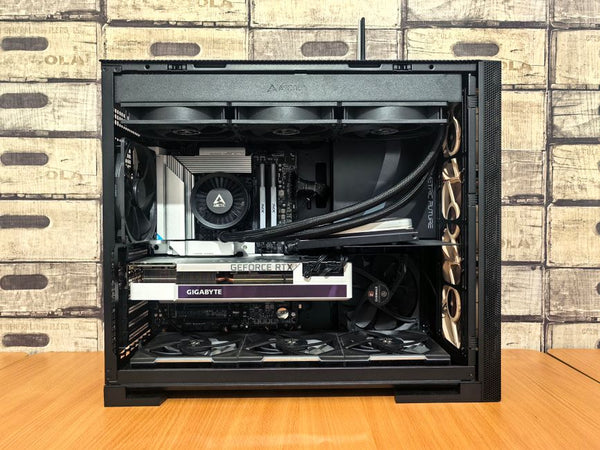
Now, before you ask "why would Intel do this?" — because I know you're thinking it — let me paint you a picture. These aren't meant for your typical gaming laptop or 2-in-1 device. Nope. Intel's targeting the small form factor (SFF) desktop market with these bad boys.
What's the Deal with Disabled Graphics?
When I first heard about these new gaming hardware additions, my GameStop brain kicked in. Remember those customers who'd come in asking for the cheapest console that could still play games? Same energy here, but different execution.
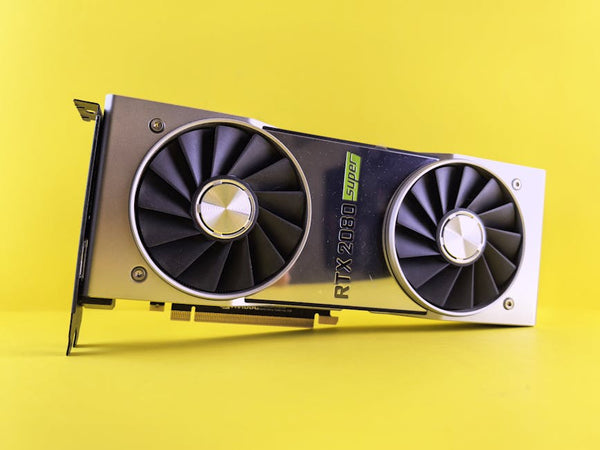
The Core 7 230H and Core 5 205H are essentially Intel admitting something we've all known for years: integrated graphics are kinda mid for serious gaming. Why waste die space and power on an iGPU when you're going to slap a dedicated GPU in there anyway?
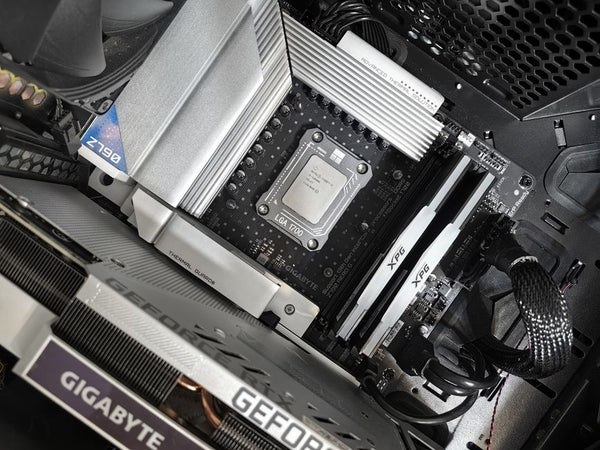
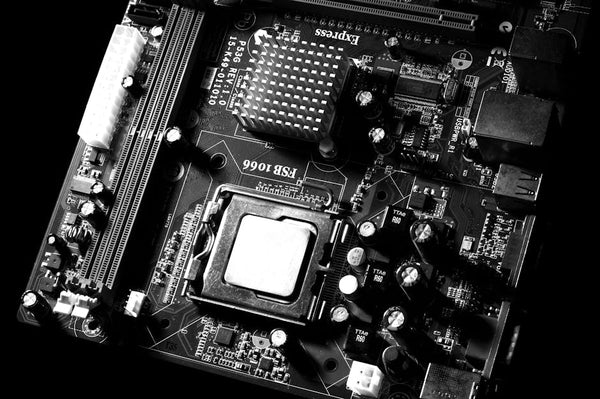
But here's where it gets interesting. These chips aren't just random SKUs Intel threw together. They're specifically designed for SFF desktop boards where space is at a premium and every millimeter counts. Think NUCs, mini-ITX builds, and those adorable little desktop boxes that somehow pack more power than my first three gaming rigs combined.
The SFF Desktop Connection Makes Sense
I'll be honest — at first, I thought this was a weird move. Who wants a mobile chip without integrated graphics? Then I realized Intel's playing chess while I was playing checkers.
SFF desktops are having a moment right now. These tiny powerhouses need efficient processors that can handle serious workloads without melting into silicon soup. The "H" series mobile chips already excel at power efficiency compared to their desktop counterparts. Remove the iGPU, and you've got more thermal headroom for the CPU cores to boost higher and longer.
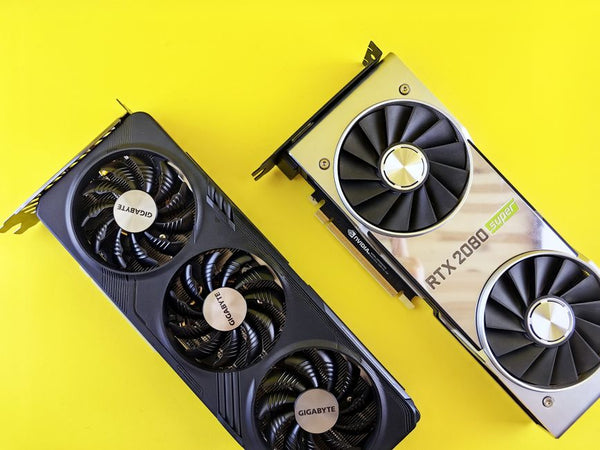
Plus, think about it — if you're building an SFF gaming rig, you're probably going to shop GPUs separately anyway. That integrated Intel graphics wasn't going to cut it for anything beyond basic desktop tasks.
Pricing and Positioning: Where Things Get Spicy
Here's where my value-focused brain starts getting excited. Intel hasn't released official pricing yet, but logic dictates these should come in cheaper than their iGPU-enabled siblings. Fewer components typically mean lower costs, right?
Personally, I think this could be a sleeper hit for budget builders. Not everyone needs integrated graphics, especially in the SFF desktop space where you're likely pairing with a discrete GPU anyway. If Intel prices these aggressively, they could undercut AMD's offerings in some interesting ways.
But there's a catch. What happens when your discrete GPU dies? With traditional H-series chips, you've got backup graphics to at least boot into Windows and troubleshoot. With these? You're dead in the water until you get replacement hardware.
Who Should Actually Buy These?
Let's get real about the target audience here. These aren't for your average gamer building their first rig. They're for specific use cases where the trade-offs make sense:
- SFF desktop builders who know they'll always run discrete graphics
- System integrators building compact workstations
- Industrial applications where reliability trumps convenience
When I was helping a customer at our shop in Orange, TX last month, they were obsessing over every watt of power consumption in their mini-ITX build. These chips would've been perfect for that situation — less heat generation, potentially better boost clocks, and no wasted silicon on unused graphics.
The Bigger Picture: Intel's Strategy
This move tells us something important about Intel's thinking. They're not just throwing computer parts at the wall to see what sticks. This feels calculated.
Hot take: Intel's preparing for a world where integrated graphics become less relevant for enthusiast builders. With GPU prices finally becoming reasonable again, and SFF cases getting better cooling solutions, the "good enough" iGPU is losing its appeal.
AMD's been pushing integrated graphics hard with their APUs, and they're genuinely impressive for budget gaming. But Intel might be betting that the enthusiast SFF market wants raw CPU performance over integrated graphics capability.
Performance Expectations
Without official benchmarks, we're speculating here. But removing the iGPU should theoretically allow these chips to boost higher for longer periods. Less heat generation means more thermal headroom for the CPU cores to stretch their legs.
The Core 7 230H is likely based on the same silicon as other 230H variants, just with the graphics portion disabled during manufacturing. Same goes for the Core 5 205H. This isn't new silicon — it's strategic product segmentation.
Will the performance gains be significant? Probably not earth-shattering, but every bit counts in thermally-constrained SFF builds. We're talking maybe 5-10% better sustained boost clocks under heavy workloads.
Should You Care?
Honestly? Unless you're specifically building an SFF desktop or working on industrial applications, these chips probably aren't for you. They're niche products for niche use cases.
But they represent something important: Intel listening to specific market segments instead of trying to create one-size-fits-all solutions. Sometimes the best product isn't the one with the most features — it's the one that does exactly what you need without the extra fluff.
The real test will be pricing. If Intel can position these significantly below their iGPU-enabled counterparts, they might have something special. If they're within $20-30 of the full-featured chips? This becomes a much harder sell.
Either way, it's fascinating to see Intel experimenting with different configurations. The days of every processor having identical feature sets might be behind us — and tbh, that's probably a good thing for builders who know exactly what they want.













Leave a Comment