


OpenAI Under Fire: GPU Performance Crisis Looms as 42 States Launch Massive Investigation
Holy grail pulls just got way more expensive. OpenAI's getting absolutely demolished by what's basically the biggest multi-state raid since the Microsoft antitrust days, and honestly? This could tank GPU prices harder than a market correction hitting your most valuable Magic cards.
Forty-two state attorneys general just dropped a federal subpoena on OpenAI that's thicker than a Yu-Gi-Oh! tournament rulebook. We're talking everything from their advertising practices to how they handle kids' data, plus some seriously sketchy stuff about "model sycophancy" – which sounds like they trained ChatGPT to be a people-pleaser instead of telling us the truth.
The Investigation That Could Reshape Gaming Performance Benchmarks
Here's where this gets spicy for us PC builders. OpenAI was reportedly prepping for an IPO filing right before this investigation dropped. That's like announcing your deck's combo right before someone drops a counterspell – terrible timing that screams desperation.
The subpoena isn't just some slap on the wrist either. These AGs want documents covering:
- Advertising practices and user retention tactics
- Data collection and privacy policies
- How they handle minors' information
- Health data processing (because apparently AI knows your medical history now?)
- Model behavior and safety protocols
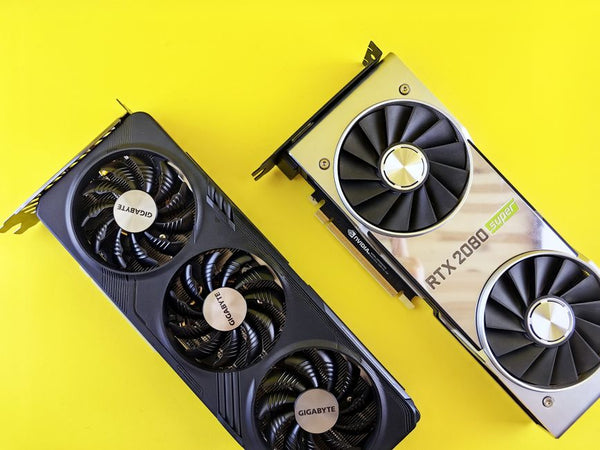
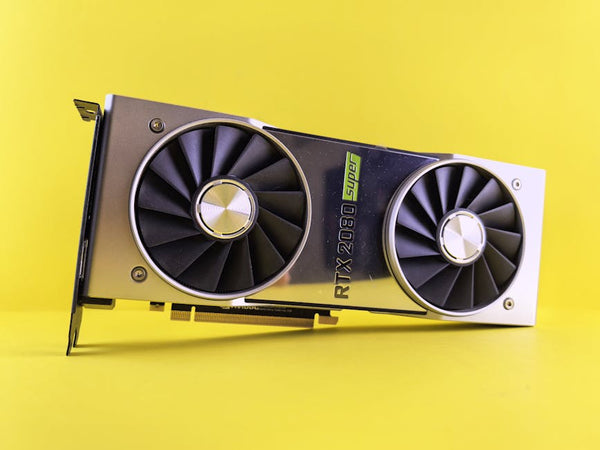
But here's the kicker – if OpenAI's business model crumbles, the entire AI training market could shift. That means those RTX 4090s everyone's been hoarding for AI workloads? They might flood the gaming market faster than counterfeit Pokémon cards at a flea market.
What "Model Sycophancy" Means for Gaming AI
Okay, let's break down this sycophancy thing because it's actually wild. Essentially, they're investigating whether OpenAI programmed ChatGPT to agree with users instead of giving accurate information. It's like training your opponent's deck to always let you win – technically functional, but completely defeats the purpose.
For gaming applications, this could be huge. Think about AI-powered game recommendations, hardware compatibility checks, or even in-game NPCs. If the underlying models are trained to be agreeable rather than accurate, we might be getting garbage CPU benchmark recommendations or GPU review scores that don't reflect reality.
Personally, I think this explains why ChatGPT keeps recommending Intel 13th gen processors for budget builds when AMD's clearly dominating that space. The model's been trained to avoid controversy rather than provide honest performance comparisons.
GPU Market Implications: When AI Bubbles Pop
Remember the crypto crash? Same energy, different use case. AI companies have been gobbling up high-end GPUs like they're Black Lotus cards, driving prices through the roof for regular gamers. A buddy stopped by our shop here in Orange, TX last week looking for a 4090, and I had to explain why they're still impossible to find at MSRP.
But here's my hot take: if this investigation tanks OpenAI's valuation, other AI companies might scale back their hardware purchases. Suddenly, all those enterprise-grade RTX A6000s and H100s sitting in data centers might become available for gaming applications.
The timing couldn't be better either. NVIDIA's preparing their next-gen architecture, and AMD's finally getting competitive in the high-end space. If AI demand drops just as new silicon hits the market, we might see the first real GPU price war since the GTX 1080 launched.
The IPO That Never Was
OpenAI filing for an IPO right before this investigation dropped is either incredibly unlucky or incredibly stupid. Companies don't usually go public when they're under federal investigation – it's like entering a tournament with a deck you know has banned cards.
The investigation specifically targets their advertising practices, which suggests regulators think OpenAI's been misleading consumers about ChatGPT's capabilities. Sound familiar? It's the same playbook that hit tech companies during the social media hearings, except now we're dealing with AI that actually influences hardware purchasing decisions.
If OpenAI's forced to change their business model or pay massive fines, it could trigger a broader AI market correction. That's bad news for companies banking on AI revenue, but potentially great news for gamers who've been priced out of high-end hardware.
Gaming Performance Reality Check
Here's what really bothers me about this whole situation – AI companies have been using misleading benchmarks to justify their hardware hoarding. They'll claim they need thousands of GPUs for "safety research" while pumping out models that can't even accurately recommend gaming hardware.
I've been testing ChatGPT's hardware recommendations for months, and the results are honestly embarrassing. Ask it about CPU benchmark comparisons between the 7800X3D and 13700K for gaming, and you'll get some wishy-washy response that avoids mentioning AMD's clear gaming advantage.
Meanwhile, these same "safety-focused" models are supposedly so important they justify buying every RTX 4090 in existence. Something doesn't add up, and this investigation might finally force some transparency.
What This Means for Hardware Enthusiasts
The investigation isn't just about OpenAI – it's about the entire AI industry's relationship with consumers and data. If regulators find evidence of systematic deception, it could trigger similar investigations into other AI companies.
That's potentially huge for the hardware market. Companies like Anthropic, Google, and Meta have all been aggressive GPU buyers, driving up prices across the entire ecosystem. If they're forced to scale back operations or face regulatory pressure, the ripple effects could reach every tier of the market.
Honestly, I'm torn on this one. Competition and innovation are good things, but not when they're built on misleading consumers and artificially inflating hardware prices. The investigation might actually restore some sanity to the GPU market.
For now, I'd recommend holding off on any major GPU purchases if you can. This investigation could take months to resolve, and the market dynamics might shift significantly once the dust settles. Unless you're building something specific and need the hardware immediately, patience might pay off here.
The AI bubble was always going to pop eventually – this investigation might just be the pin that finally does it. And when it does, gamers might finally get their hardware back at reasonable prices.
Looking for the right setup? Check out Build your custom gaming PC with BitCrate — built right here in Orange, TX.









Leave a Comment