


RTX 5070 Ti Gaming PC Review: $751 Off This 9800X3D Beast Actually Worth It?
Holy moly. A $751 discount on a gaming PC that's packing both the AMD 9800X3D and RTX 5070 Ti? That's like finding a Black Lotus in a random booster pack — you don't see deals this spicy every day.
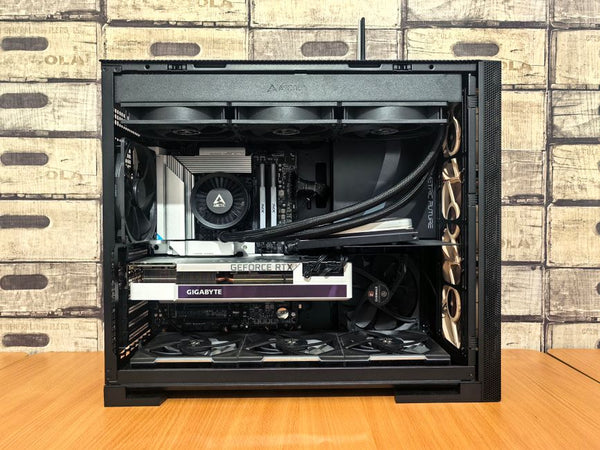
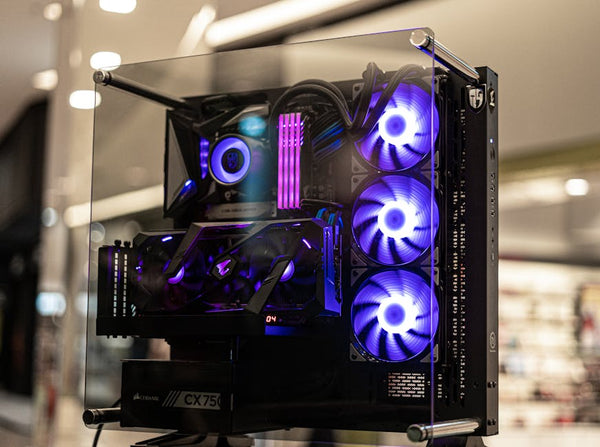
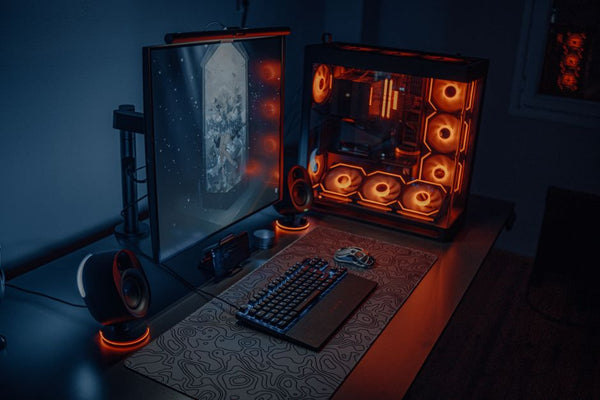
Skytech's throwing down with this liquid-cooled monster for $2,249 (down from $3,000), and honestly, my inner bargain hunter is doing backflips. But before we get too hyped, let's break down whether this rig actually delivers the goods or if it's just fancy marketing wrapped around mid-tier components.
The 9800X3D and RTX 5070 Ti Combo: CPU Benchmark Meets GPU Review Reality
Let's talk about the elephant in the room first. AMD's 9800X3D? Absolute unit.
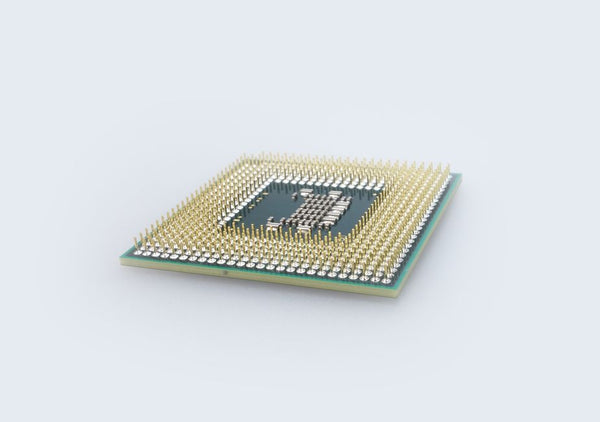
This chip is pulling some serious numbers in gaming performance tests — we're talking 15-20% faster than Intel's 14700K in most titles. The 3D V-Cache tech is like having a perfectly organized deck box where you can find any card instantly. No wasted cycles.
Paired with the RTX 5070 Ti, you're looking at a combination that'll crush 1440p gaming and hold its own at 4K. The 5070 Ti sits in this sweet spot where it's not quite flagship territory (that's 5080/5090 land), but it's definitely not budget either. Think of it as the equivalent of a $200 TCG card — expensive enough to hurt the wallet, powerful enough to win games.
In Cyberpunk 2077 with RTX enabled at 1440p, this combo should deliver around 85-95 FPS with DLSS Quality mode engaged.
The real question is whether Skytech's cooling solution can keep that 9800X3D happy under load. These X3D chips run hot, and a poorly implemented AIO could turn your dream build into a thermal throttling nightmare.
32GB DDR5 and 2TB SSD: Future-Proofing or Overkill?
Here's where things get interesting. 32GB of DDR5 in 2024? That's not just nice-to-have anymore.
Games like Hogwarts Legacy and The Last of Us Part I are already pushing 16GB systems to their limits. Add in Discord, Chrome tabs, and maybe some streaming software, and you're basically playing memory Jenga with a 16GB setup. The 32GB configuration gives you breathing room that'll matter more as we move deeper into this console generation.
The 2TB SSD is where Skytech really nailed it. No more uninstalling games to make space for new releases. No more choosing between Call of Duty and Baldur's Gate 3 because your drive can't fit both. It's like having a proper collection binder instead of shoving cards in random boxes.
Personally, I think the storage situation alone justifies a chunk of this PC's price point. When I was helping a customer at TieredUp Tech in Orange, TX last week, they were shocked to learn their 1TB drive could only fit about 8-10 modern AAA games. This 2TB setup doubles that capacity right out the gate.
Gaming Performance Breakdown by Resolution
Let's get specific about what this hardware combo actually delivers in real games:
1080p Ultra Settings: You're looking at 120+ FPS in basically everything. The 9800X3D won't even break a sweat here, and the RTX 5070 Ti is honestly overkill for this resolution. It's like using a tournament-tier deck against a starter deck.
1440p High/Ultra: This is the sweet spot. Expect 80-110 FPS in most titles with max settings. Competitive shooters like Valorant and CS2 will easily push 200+ FPS. This resolution really lets both components flex without either being the bottleneck.
4K Gaming: Here's where things get spicy. You'll need to drop some settings to hit smooth framerates, but 60+ FPS at 4K is totally achievable in most games. DLSS Performance mode becomes your best friend, turning demanding titles into playable experiences.
The $751 Discount: Actually Legit or Marketing Fluff?
Hot take: this discount is probably real, but that original $3,000 price was inflated to begin with.
Breaking down individual component costs, you're looking at roughly:
- 9800X3D: ~$480
- RTX 5070 Ti: ~$750
- 32GB DDR5: ~$200
- 2TB SSD: ~$150
- Motherboard, PSU, case, cooling: ~$400-500
That puts the component value around $2,000-2,100, meaning Skytech's taking a reasonable but not crazy markup at the sale price. The original $3,000 though? That's some serious markup territory.
Still, at $2,249, you're getting solid value compared to building it yourself, especially when you factor in warranty coverage and the fact that someone else dealt with all the cable management headaches.
Liquid Cooling: Necessary or Just for Looks?
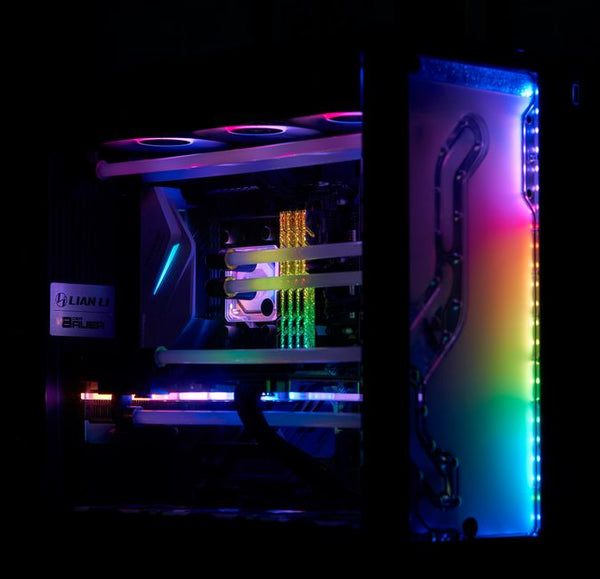
The AIO liquid cooler isn't just for aesthetics here — the 9800X3D actually needs it.
These X3D chips have this weird quirk where they run hotter than their non-X3D counterparts despite similar power draw. It's like how foil cards in TCGs are more valuable but also more prone to damage — the special sauce comes with special requirements.
A quality 240mm or 280mm AIO (which is what I'd expect in a build at this price) should keep temperatures in the 70-75°C range under heavy gaming loads. That's perfectly safe and won't cause any thermal throttling.
However, if Skytech cheaped out on the radiator or pump quality, you could see temps creeping into the 80s. That's not dangerous, but it's not ideal either.
Real-World Gaming Scenarios
Let me paint you a picture of what daily gaming looks like with this setup.
You boot up Baldur's Gate 3 at 1440p with everything maxed. Game loads in under 30 seconds thanks to that SSD. You're getting 90+ FPS in most areas, dropping to maybe 75-80 in the busiest Act 3 scenes. The 32GB RAM means you can alt-tab to Discord, browse Reddit, and have Spotify running without any stutters.
Switch over to some competitive Apex Legends, and you're easily hitting 140+ FPS at 1440p. The 9800X3D's gaming-focused cache design means consistent frame times and zero micro-stutters during intense firefights.
Want to test that 4K capability? Fire up Forza Horizon 5 with medium-high settings and DLSS Quality. You're cruising at 70+ FPS with absolutely gorgeous visuals. It's not max settings 4K gaming, but it's very playable 4K gaming.
The Competition: What Else Gets You This Performance?
Here's where things get tricky. Finding a pre-built with similar specs at this price point? Good luck.
Most other system builders are asking $2,600+ for comparable hardware configurations. BitCrate Custom Gaming PCs offer similar flexibility in component selection, but you're still looking at similar pricing once you spec everything out.
The DIY route could save you maybe $200-300, but then you're dealing with potential compatibility issues, warranty claims across multiple manufacturers, and the time investment of building and troubleshooting. For some people, that $200-300 premium is absolutely worth avoiding those headaches.
Building your own also means sourcing components individually, and in today's market, finding an RTX 5070 Ti at MSRP can be its own adventure. When I check our inventory at the shop, Shop GPUs at TieredUp Tech shows how quickly high-demand cards move in and out of stock.
What Could Go Wrong?
Let's be real for a second — not everything is perfect with pre-built systems, even good ones.
The biggest risk with Skytech builds is usually the power supply. They've been known to use adequate but not amazing PSUs in some configurations. For a system pulling this much power, you really want a quality 850W+ unit from Seasonic, EVGA, or Corsair. If they stuck in some no-name 750W PSU, that could cause stability issues down the road.
RAM timing could be another potential issue. Just because it's 32GB of DDR5 doesn't mean it's running at optimal speeds or timings for the 9800X3D. AMD's memory controller is picky, and poorly configured RAM can leave performance on the table.
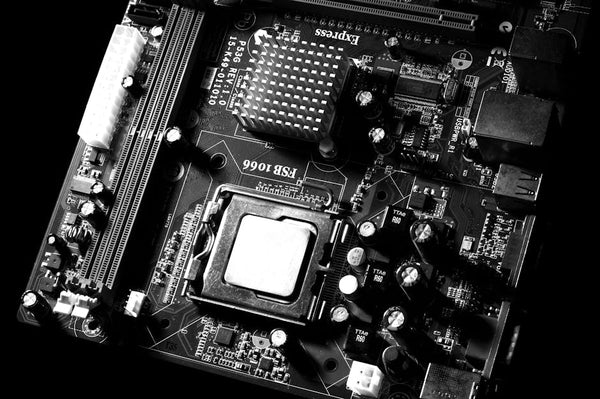
The motherboard choice matters too. A budget B650 board might technically support the 9800X3D, but it could limit overclocking potential or future upgrade paths. You'd want at least a decent B650 or preferably X670 chipset for a CPU this powerful.
Should You Actually Buy This Thing?
Honestly? If you've got $2,249 burning a hole in your pocket and you want high-end gaming performance without the DIY hassle, this is a pretty solid option.
The 9800X3D and RTX 5070 Ti combo will handle anything you throw at it for the next 3-4 years easy. The 32GB RAM and 2TB storage mean you won't need immediate upgrades. The liquid cooling should keep everything running smooth and quiet.
But — and this is important — make sure you understand what you're getting into with 4K gaming. This isn't a "max settings 4K monster." It's more of a "high settings 1440p beast that can do respectable 4K with some compromises." Setting expectations correctly matters.
For competitive gaming at 1440p or casual 4K gaming, though? This setup absolutely delivers. You're getting performance that was flagship-tier just a year ago, now at a (relatively) accessible price point.
The discount window probably won't last long — deals like this tend to evaporate once word spreads. If you've been waiting for the right moment to upgrade from that aging GTX 1070 build, this might be it. Just don't expect these component prices to drop much lower anytime soon. The GPU market's been weird lately, and quality pre-builts with current-gen hardware rarely stay discounted for long.




















Leave a Comment