


Why AI Mining is Making Your Gaming PC Build More Expensive (And Why That RTX 3090 Costs a Fortune)
Remember when Pokemon cards hit $6,000 for a single Charizard because everyone thought they were the next Bitcoin? That's exactly what's happening to GPUs right now, except instead of trading card speculators, we've got AI mining operations hoarding graphics cards like they're Black Lotus cards.
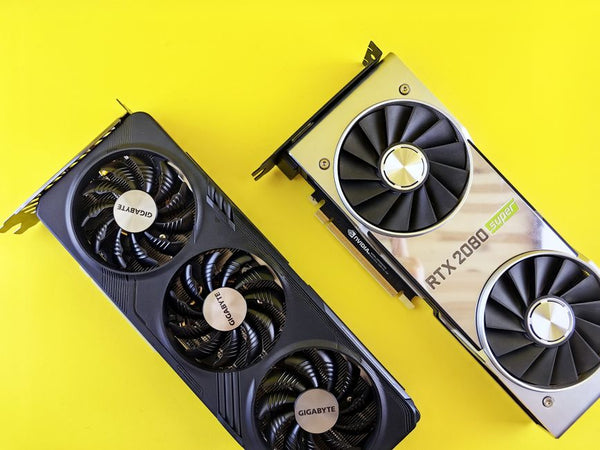
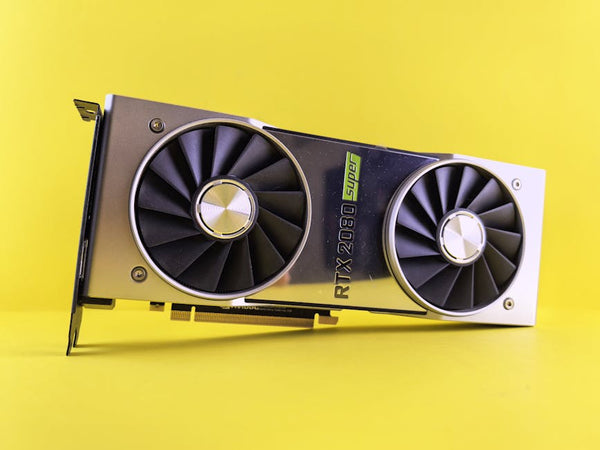
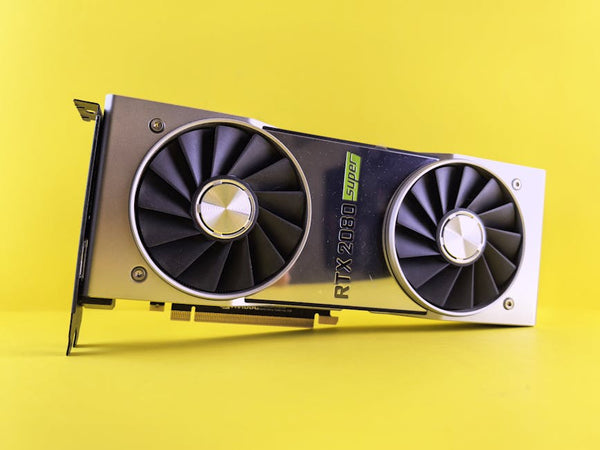
A new study just dropped claiming that Pearl's massive AI network is burning through 320,000 RTX 3090-class GPUs and 112 megawatts of power while doing absolutely nothing useful. Zero. Zilch. Nada. They're basically running the digital equivalent of a hamster wheel that costs more than a small city's power grid.
The Pearl Problem: When AI Mining Goes Full Ponzi
Here's the tea. Pearl operates what they call an "AI mining network" that's supposed to be doing legitimate artificial intelligence computation. Sounds legit, right? Wrong.
According to this preprint study, Pearl's network is just doing random matrix math. It's like if I told you I was building the world's most powerful gaming PC build for competitive esports, but instead I'm just running FurMark 24/7 to heat my garage. The computation isn't training models, isn't solving real problems, and isn't contributing to actual AI research.
But here's where it gets spicy. GPU rental costs have jumped 38% because of operations like this. That RTX 4090 you've been eyeing for your custom gaming PC? Yeah, it's competing with mining farms that'll pay whatever it takes.
The Numbers Don't Lie
Let's break down what 320,000 RTX 3090-equivalent GPUs actually means:
- That's roughly $640 million worth of graphics cards at launch MSRP
- 112 megawatts could power about 84,000 average American homes
- Each GPU is pulling around 350 watts under full load
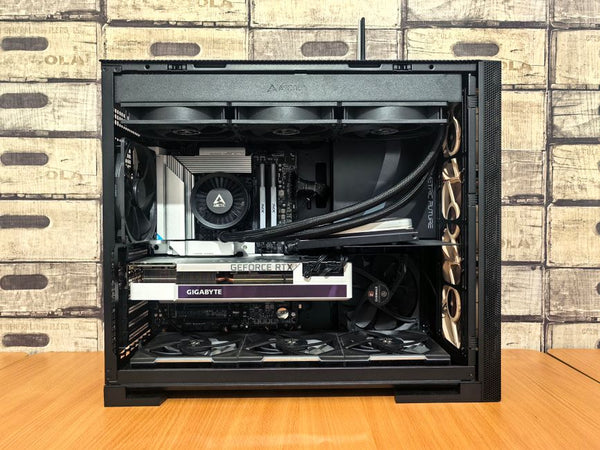
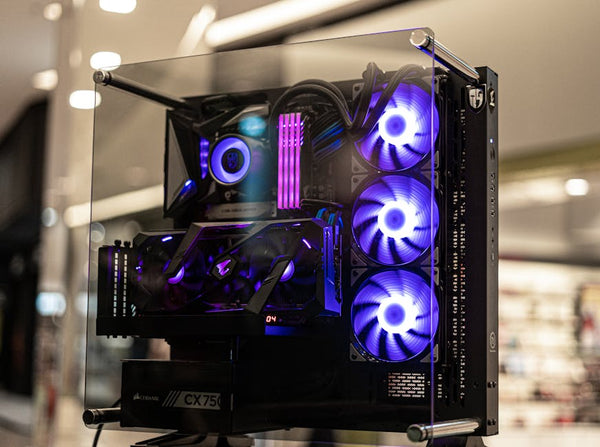
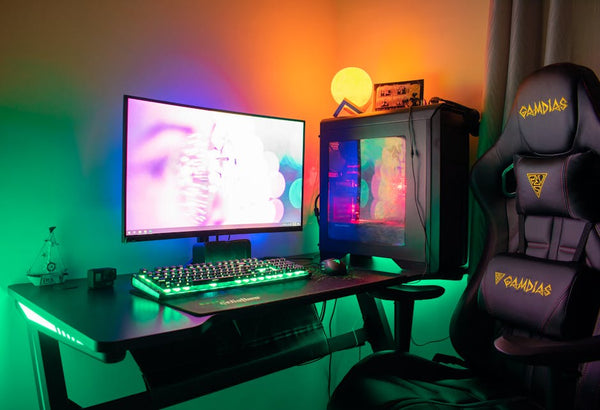
For context, when I help customers at TieredUp Tech here in Orange, TX, most gaming builds use one RTX 4070 or 4080. Pearl's using more GPUs than there are people in most Texas cities. Wild.
Why This Matters for Your Gaming PC Build
Think building a gaming rig is expensive now? It's about to get worse. These mining operations create artificial scarcity that makes GPUs harder to find and more expensive to buy.
Hot take: This isn't even real mining in the traditional crypto sense. At least Bitcoin miners are securing a blockchain and processing transactions. Pearl's network is allegedly just... doing math. Random math. It's like paying full price for a booster pack and getting nothing but energy cards.
The 38% jump in GPU rental costs isn't just affecting data centers either. When cloud providers pay more for compute, those costs trickle down to everything from game streaming services to the development of the games we actually want to play.
The Ripple Effect on PC Builders
Remember the 2021 crypto mining boom? RTX 3080s were selling for $2,000+ when they should've been $699. We're seeing early signs of that same pattern, but this time it's AI mining doing the damage.
Personally, I think this is worse than crypto mining. At least with Ethereum mining, you knew the GPUs would eventually flood the used market when profitability died. With AI mining networks like Pearl's, there's no clear end point because the economics are completely detached from actual value creation.
Pearl's network allegedly consumes more power than some entire countries while producing zero verified useful computation
What This Means for GPU Shopping Right Now
If you're planning a PC build guide for 2024, here's my honest advice: buy sooner rather than later. GPU prices are already climbing, and if more operations like Pearl's pop up, we could see another shortage.
The RTX 4060 Ti and RTX 4070 are still reasonably priced, but I wouldn't count on that lasting. Shop GPUs at TieredUp Tech while inventory's still stable, because this AI mining trend could spiral quickly.
AMD's RX 7800 XT is looking increasingly attractive too. It's solid for 1440p gaming and typically less targeted by miners since it's not as efficient for certain compute workloads.
The Uncertainty Factor
Here's where I'll admit some uncertainty. We don't know if Pearl's network is genuinely as wasteful as this study claims, or if there's some legitimate use case we're missing. The preprint hasn't been peer-reviewed yet, and Pearl hasn't responded publicly.
But even if the study is only half right, we're still talking about massive GPU consumption for questionable value. That's enough to impact gaming hardware availability regardless of the exact details.
Building Around the GPU Shortage
Planning your custom gaming PC during uncertain GPU times requires strategy. Consider these moves:
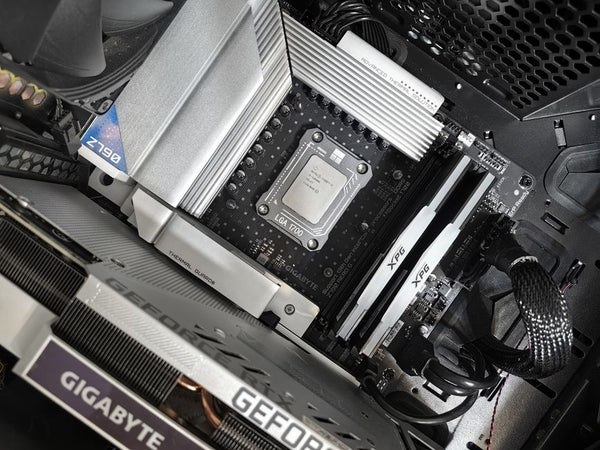
Don't cheap out on other components expecting to upgrade the GPU later. Get a solid PSU, motherboard, and CPU now while those prices are stable. A good 850W power supply and B650 motherboard aren't going anywhere price-wise.
Consider last-gen cards seriously. The RTX 3070 Ti and RX 6800 XT still crush 1440p gaming and might be your best value if current-gen prices spike.
Think about 1080p builds. Not everyone needs 4K gaming, and a well-tuned 1080p rig with an RTX 4060 will give you 144fps+ in most games while staying budget-friendly.
The Bigger Picture
This Pearl situation highlights a broader problem in tech. When speculation and questionable business models drive hardware demand instead of actual innovation or user needs, everyone suffers. Gamers can't build PCs. Researchers can't access compute resources. Even legitimate AI companies struggle with inflated costs.
It's like if someone bought every single copy of the newest Pokemon set not to play or collect, but just to prove they could afford it. The market breaks down when resources get hoarded for no productive purpose.
Honestly, I'm hoping this study gets enough attention to pressure these wasteful mining operations into either proving their value or shutting down. The gaming community deserves access to reasonably priced hardware, not artificial scarcity created by digital hamster wheels.
Keep an eye on GPU prices over the next few months. If Pearl and similar networks keep expanding, we might be looking at another dark age for PC building. But if regulatory pressure or market forces shut them down, we could see prices stabilize or even drop. Either way, gamers need to stay informed and vote with their wallets.








Leave a Comment