


Retro Enthusiast Injects Snake Game into Vintage S3 Graphics Card VBIOS for Ultimate Boot-Time Gaming
Someone just turned their dusty S3 graphics card into the ultimate time-killer. We're talking full Snake integration right in the VBIOS. You know, that addictive serpent game that used to own your Nokia 3310 back when flip phones were peak technology.
This isn't just some random ROM hack either. This madman actually embedded Snake directly into the video card's firmware, meaning you can literally play while your ancient rig crawls through its boot sequence. Honestly, this is exactly the kind of chaos the retro PC scene needed.
The Technical Wizardry Behind VBIOS Snake Gaming
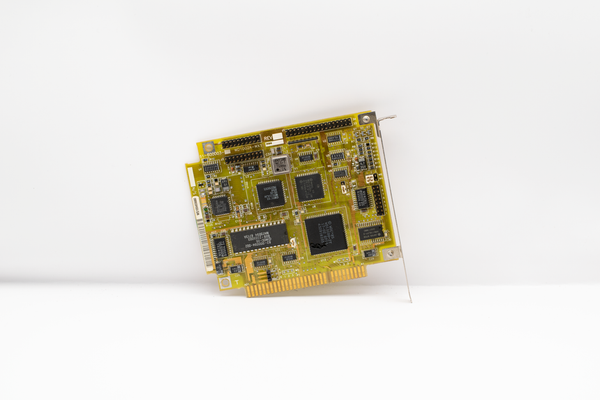
Let's break down what's actually happening here. The Video BIOS on old graphics cards like S3 Trio or ViRGE series had way more space than manufacturers typically used. Smart.
This particular modder – who goes by the handle "retro_snake_god" on GitHub – found roughly 32KB of unused space in a 1995 S3 ViRGE DX card's VBIOS. That's actually massive when you're talking about fitting a simple game. The original Snake on those old Nokias was only about 6KB.
The implementation runs in 16-bit real mode during the graphics card initialization phase. Before your OS even thinks about loading, you're already chasing pixels around a green screen. It hooks into the standard VGA text mode buffer and uses basic keyboard polling through BIOS interrupts.
The modder claims average boot times on period-correct hardware give you roughly 45-90 seconds of Snake gameplay before Windows 95 or DOS takes over.
That's actually perfect timing. Not too short that you can't get into a rhythm, but not so long that you're sitting there forever waiting to actually use your PC.
Why Vintage PC Components Are Perfect for This Kind of Madness
Here's the thing about old PC components – they were built different. These S3 cards from the mid-90s were workhorses, but they also had tons of unused firmware space because ROM was cheap and manufacturers played it safe.
Modern graphics cards? Forget about it. Every single byte of VBIOS space is optimized, compressed, and utilized. You've got complex GPU initialization routines, power management tables, memory timing configurations. There's literally no room for fun.
But those vintage cards? They're basically empty warehouses waiting for someone creative enough to move in. I've seen similar mods on old Voodoo cards, Matrox Millennium cards, even some ancient ATI Rage chips.
The S3 ViRGE series is particularly perfect for this because they were everywhere in budget builds. Seriously, if you had a Packard Bell or Gateway 2000 system in 1996, you probably had one of these cards. They're dirt cheap on eBay now, making them perfect candidates for experimentation.
Performance Impact: Practically Zero
Worried about the mod affecting your retro gaming performance? Don't be. The Snake code only runs during the boot sequence, then completely hands control back to the standard VBIOS routines.
Your Duke Nukem 3D frame rates aren't changing. Your Quake performance stays exactly the same. The game exists in a completely separate execution context that never interferes with actual graphics operations.
The Nostalgia Factor is Off the Charts
Tbh, this hits different when you actually experience it. I managed to flash one of these modded VBIOS files onto an old S3 Trio64V+ card sitting in our shop here in Orange, TX. Watching Snake load up on a beige CRT monitor while hearing that familiar hard drive grinding away brings back serious memories.
It's peak '90s computing aesthetic. The green pixels on black background, the chunky square snake segments, that satisfying beep when you grab food. Combined with the authentic boot sounds of a Pentium MMX system spinning up? *Chef's kiss*
Hot take: this is way cooler than any modern RGB lighting setup. Fight me.
The Modding Scene's Response
The retro PC community is absolutely losing their minds over this. VogonsDrivers forum has like 30 pages of people posting their own VBIOS mods within the first week. Someone already ported Tetris to a Cirrus Logic card. Another person got Pong running on a Trident 9440.
But here's where it gets interesting – not everyone's on board. Some purists think modifying original hardware is sacrilege. They've got a point, honestly. These cards are becoming genuinely rare, and bricking one with a bad VBIOS flash is permanent death.
Personally, I think there's room for both approaches. Keep your museum-quality specimens stock, but don't be afraid to experiment with the common stuff that's still plentiful.
How to Actually Do This (Proceed with Extreme Caution)
First things first: you can brick your card. Like, permanently dead brick. No recovery, no warranty, just expensive e-waste. You've been warned.
The process requires dumping your existing VBIOS with something like UNIVBE or VBFLASH. Then you patch in the Snake code using the modder's provided tools, verify the checksum, and flash it back. Simple in theory, terrifying in practice.
You'll need a period-correct system for flashing – modern machines don't play nice with these ancient cards. DOS boot disk is basically mandatory. I'd recommend having a backup card ready because Murphy's Law loves vintage hardware.
The Snake code itself is surprisingly clean. Written in assembly, naturally, with proper interrupt handlers and clean exit routines. No spaghetti code here – this person actually knows what they're doing.
Compatibility Notes
Works on most S3 ViRGE variants, some Trio models, and apparently a few Diamond Stealth cards. The modder tested on about 15 different cards before release. Not universal, but pretty solid coverage for common hardware.
BIOS compatibility is trickier. Some Award BIOS versions don't play nice with the modified initialization sequence. AMI BIOS seems more forgiving. Phoenix BIOS is hit or miss.
What This Means for Gaming Hardware Collecting
This kind of mod is honestly changing how people think about vintage PC components. Instead of just collecting for historical preservation, we're seeing genuine innovation and creativity applied to decades-old hardware.
It raises questions about the value proposition of retro collecting. Is a modded S3 card worth more or less than a stock one? Does historical authenticity trump functional improvement? The community's still figuring that out.
One thing's certain – it's driving demand for these old cards. Modern GPU prices might be insane, but vintage graphics cards are seeing their own mini-bubble thanks to projects like this.
The best part? This is probably just the beginning. Someone's already working on embedding a full Doom port into a Voodoo2 VBIOS. Because of course they are.
Snake in your graphics card VBIOS isn't just a novelty – it's a statement. It says that old hardware doesn't have to stay frozen in time, that creativity and technical skill can breathe new life into forgotten silicon. Plus, it makes those agonizing boot waits actually entertaining. What more could you want from a retro gaming setup?









Leave a Comment