


Intel's 18A CPU Ultimatum: Why This Gaming PC Build Shake-Up Actually Matters
So Intel's basically playing hardball with PC manufacturers now. Forcing them to adopt their new 18A CPUs or risk losing supply altogether? That's some serious power move energy right there. But here's the thing – this isn't just corporate drama happening in some boardroom. This directly affects anyone looking to build a custom gaming PC or upgrade their rig in the next year.
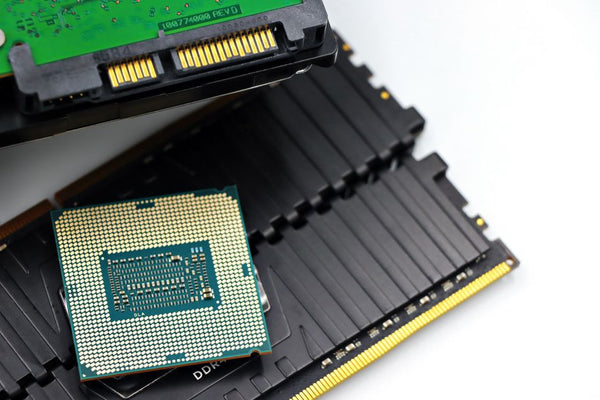
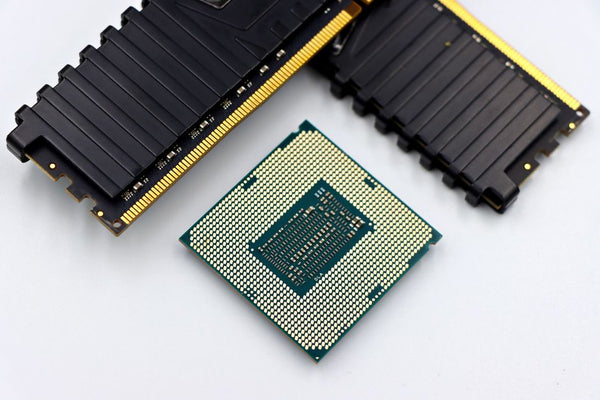
Let me break down what's actually happening here, because the headlines make this sound way more dramatic than it needs to be. Intel's got limited capacity on their Intel 7 process node (that's the tech that makes your CPU work, for those keeping track). Instead of spreading it thin across everyone, they're prioritizing server and industrial customers – the big money clients who buy in massive volumes. Makes business sense, honestly.
But what does this mean for us regular folks who just want to game without selling a kidney?
The Real Gaming PC Build Impact
Working at TieredUp Tech here in Orange, TX, I've seen this supply crunch play out in real time with customers. Just last week, a guy came in wanting to build around an Intel 13th gen chip, and guess what? Backordered indefinitely. We ended up pivoting his entire build to AMD, and honestly? He probably got better price-to-performance anyway.
Intel's move to force manufacturers toward 18A isn't necessarily evil. Their new process node is supposed to be more efficient, more powerful – all the usual marketing speak. But here's my hot take: this feels like Intel trying to artificially create demand for chips that might not be ready for prime time yet.
Think about it. Why would you need to threaten supply cuts if your new product was genuinely better? Wouldn't manufacturers be lining up to use it anyway?
What 18A Actually Brings to the Table
The 18A process is Intel's attempt to leapfrog TSMC and get back to being the chip manufacturing king. On paper, it looks solid – better power efficiency, higher transistor density, all that good stuff. But we've heard these promises before, haven't we?
Remember when Intel said 10nm was going to revolutionize everything? That took them like five extra years to actually deliver. I'm not saying 18A will be the same disaster, but I'm also not preordering my excitement just yet.
For gaming specifically, the improvements might be more incremental than revolutionary. Yeah, you'll probably see better performance per watt, which means cooler running temps and potentially better overclocking headroom. But if you're rocking a 12th or 13th gen Intel chip right now? You're probably fine for another couple years.
The AMD Elephant in the Room
Can we talk about how this whole situation basically hands AMD a golden opportunity? While Intel's playing supply chain chess, AMD's just sitting there with their 7000 series CPUs available and performing incredibly well. Their latest Ryzen chips are lowkey embarrassing Intel in a lot of gaming benchmarks anyway.
I've been recommending AMD builds way more frequently lately, not because I'm some fanboy, but because the value proposition just makes sense. Why wait for Intel to sort out their supply issues when you can get comparable or better performance right now?
The Ryzen 7 7800X3D is still the gaming king for most titles, especially at 1440p. And it's actually available. Crazy concept, right?
What This Means for Your Next Build
If you're planning a gaming PC build in the next six months, here's my honest advice: don't wait around for Intel to figure this out. The chip shortage games are exhausting, and we've all been through enough of that already.
AMD's current lineup is solid across the board. The 7600X handles 1080p gaming like a champ for around $200. The 7800X3D dominates higher resolutions. Even their budget options like the 5600X are still incredibly capable for most games.
But here's where it gets interesting – if you absolutely need Intel for some specific workload (maybe you're doing content creation that really benefits from Intel's encoding features), then yeah, you might want to consider jumping early on 18A. Just know you're essentially beta testing for Intel.
Personally, I think Intel's betting big on manufacturers not wanting to redesign their entire product lines around AMD. But that's a dangerous game when your competition is literally eating your lunch in performance reviews.
The Bigger PC Build Guide Implications
This whole mess actually highlights something I've been telling customers for years: don't build your entire PC strategy around one manufacturer. Having options is everything in this hobby.
When someone comes into our shop asking for the "best" gaming PC build, I always start with what they actually need. What games are you playing? What resolution? What's your budget? Brand loyalty is expensive, and it often doesn't make sense.
Take that customer I mentioned earlier – he was dead set on Intel because that's what he'd always used. After showing him benchmarks and explaining the current market situation, he walked out with a Ryzen build that outperformed his original Intel plan for $150 less. Sometimes the universe just works out that way.
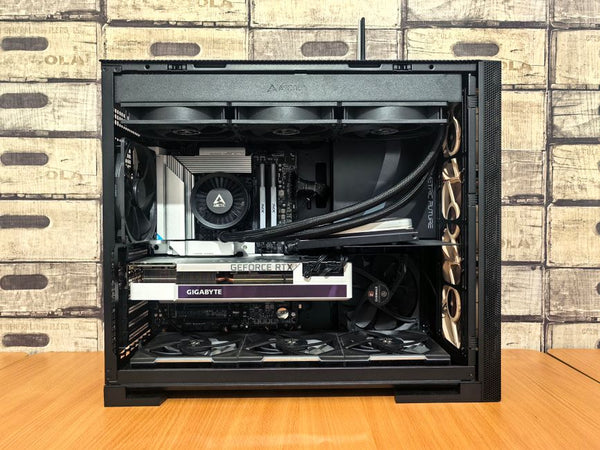
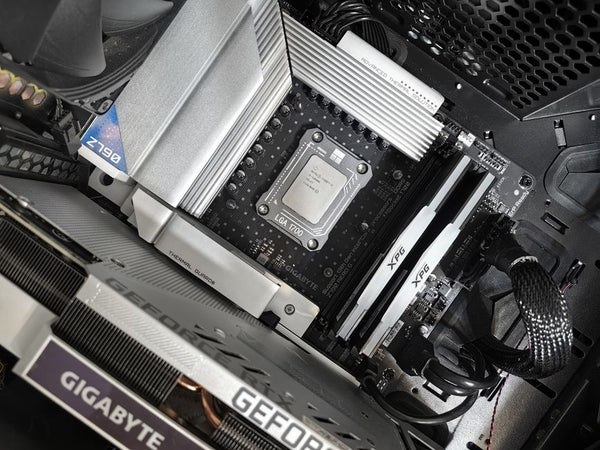
The reality is that both Intel and AMD make great gaming CPUs right now. But when one company starts playing hardball with supply chains, it's probably time to look at alternatives. Build your custom gaming PC with BitCrate and you'll see exactly what I mean – having multiple CPU options gives you way more flexibility to optimize for your specific needs and budget.
Looking Ahead: Should You Care About 18A?
Maybe? The honest answer is we don't know enough yet about real-world performance. Intel's making big promises about efficiency and performance gains, but they've made big promises before.
What I do know is that forcing adoption through supply restrictions feels desperate. Great products sell themselves. They don't need ultimatums.
If you're building a gaming PC today, focus on what's available and proven. The RTX 4070 Super, the RX 7800 XT, the Ryzen 7800X3D – these are known quantities that deliver excellent gaming performance right now.
Will 18A be better when it actually ships in volume? Probably. Will the difference be worth waiting for? That's where things get murky. I've seen too many customers put off builds waiting for the "next big thing" only to miss months of gaming time for marginal improvements.
Intel's playing a risky game here, but for us builders? It's just another reminder that flexibility beats brand loyalty every time. The best gaming PC build is the one you can actually build with parts you can actually buy. Everything else is just marketing noise.
Your move, Intel. But honestly? AMD's probably not complaining about this strategy right about now.














Leave a Comment