


Veteran Windows Dev Runs AI on 47-Year-Old Computer with 64KB RAM — The Most Gloriously Absurd Tech News This Year
Bro, I've seen some wild stuff in my 20+ years of building PCs, but this tech news story made me actually stop scrolling through Reddit and put down my coffee. Some absolute madlad developer just managed to run a transformer AI model on a PDP-11 from 1977. We're talking about a machine with a 6 MHz processor and 64KB of RAM trying to do machine learning.
Yeah, you read that right. 64 kilobytes. Not gigabytes. Your smartphone probably uses more RAM just thinking about opening Instagram.
The PDP-11: When Computers Were Actually Computers
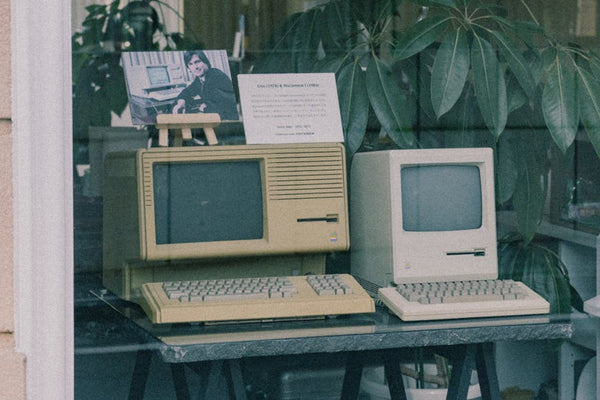
Let me paint you a picture of how insane this is. The PDP-11 was already considered vintage when I started building my first rigs in the early 2000s. This thing predates the original Star Wars movie. It's older than the Apple II. Hell, it's older than most gaming technology we consider "retro" these days.
The developer behind this project wrote the entire transformer model in PDP-11 assembly language. Assembly. Language. For context, that's like building a house using only a butter knife and sheer force of will. Most modern devs break out in cold sweats just thinking about assembly, and this guy's out here implementing neural networks with it.
What makes this even more ridiculous? Modern AI models like GPT-4 require hundreds of gigabytes of VRAM just to run inference. We're talking about cards that cost more than most people's cars. Meanwhile, this absolute unit is making it work with less memory than a single high-res screenshot takes up.
The Numbers Don't Lie (And They're Hilarious)
Let's break down exactly how absurd these specifications are compared to modern gaming technology:
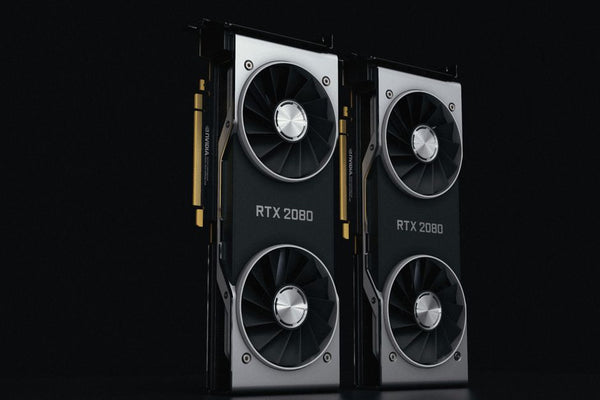
The PDP-11's 6 MHz processor runs at roughly 0.006 GHz. Your average gaming CPU today, like an Intel i7-13700K, runs at 3.4 GHz base clock. That's literally 566 times faster. The RTX 4090 I installed in a customer's build last week at our Orange, TX shop has 24GB of GDDR6X memory — that's 393,216 times more RAM than this PDP-11.
To put this in perspective: if the PDP-11's memory was a shot glass, a modern gaming rig would be like trying to fit Lake Superior in the same space.
The performance difference is so staggering it's almost meaningless to compare them. It's like comparing a paper airplane to an F-22 Raptor.
Why This Gaming Technology Throwback Actually Matters
Now you might be wondering why I'm covering this instead of the latest RTX 5090 leaks or AMD's upcoming processors. Fair question. But here's the thing — this project tells us something genuinely important about the state of AI and gaming technology today.
We've gotten so used to throwing hardware at problems that we've forgotten what optimization actually looks like. Modern AI researchers will casually say they need 80GB of VRAM for their latest model, meanwhile this dev is proving you can run neural networks on hardware that wouldn't power a modern smart toaster.
Personally, I think this exposes how bloated and inefficient most modern AI implementations really are. Don't get me wrong — the capabilities of GPT-4 and similar models are incredible. But when someone can get a transformer working on a calculator from the Carter administration, maybe we should ask ourselves if we really need those massive power requirements.
The Assembly Language Flex
Writing anything in assembly is already a flex. Writing a neural network in assembly for a 47-year-old computer? That's like speedrunning Dark Souls blindfolded while juggling flaming chainsaws. The developer didn't just port existing code — they built everything from scratch, optimized for the PDP-11's extremely limited resources.
This isn't some academic exercise either. The model actually works. It can process text and generate responses, albeit at the speed of continental drift. We're probably talking about processing times measured in minutes or hours for what modern systems do in milliseconds.
But honestly? That makes it more impressive, not less. There's something beautiful about watching cutting-edge AI concepts running on hardware that predates the internet, CDs, and probably half the people reading this.
Modern PC Building vs. Vintage Computing Wizardry
This whole project got me thinking about how we approach PC building today versus the constraints developers faced back then. When I'm spec'ing out a build for someone who wants to build their custom gaming PC with BitCrate, I'm usually worried about whether 32GB of DDR5 is enough, or if they should go with 64GB just to be safe.
Meanwhile, this dev is making miracles happen with less memory than Windows 11 uses just to display the desktop. It's honestly humbling.
The constraints forced incredible creativity. Every single byte mattered. Every instruction had to be perfect. There was no room for bloated frameworks or inefficient algorithms. It was pure, distilled computing.
What This Means for Gaming Performance
Here's where it gets interesting for gamers. If someone can run AI on 64KB of RAM, what does that say about game optimization? How many resources are we wasting on unnecessary features and poor coding practices?
Think about it — Cyberpunk 2077 can eat 16GB of system RAM for breakfast and still ask for more. Yet here's proof that complex computational tasks can run on practically nothing if you're willing to optimize properly.
Hot take: maybe game developers should be required to port their engines to a PDP-11 before release. If it can't run on 64KB of RAM, you're probably doing something wrong.
Obviously I'm being facetious here, but there's a kernel of truth in that joke. The gaming industry has gotten lazy about optimization because hardware keeps getting more powerful. Why fix inefficient code when you can just recommend players buy more RAM?
The Gloriously Absurd Future
This project represents something beautiful in tech culture — the willingness to do something completely impractical just because it's cool. There's no commercial application for running AI on a PDP-11. No venture capitalist is going to throw millions at this concept. It exists purely because one developer thought "hey, wouldn't this be wild?"
And you know what? We need more of that energy in gaming technology. Less focus on ray tracing that tanks framerates, more focus on making games run butter-smooth on reasonable hardware. Less marketing BS about "revolutionary" features that are just rebranded old tech, more actual innovation.
Ngl, this whole thing makes me want to dust off some old hardware and see what kind of magic I can make happen. Maybe I'll try getting Crysis to run on my old Pentium 4 just for the memes.
The PDP-11 AI project proves that the most interesting tech news often comes from the most unexpected places. While everyone's arguing about whether the RTX 5090 will have 28GB or 32GB of VRAM, someone's out there making AI work with less memory than a single texture file. That's the kind of problem-solving that built the computing industry, and honestly, it's exactly what we need more of today.












Leave a Comment