


Why AI-Designed GPU Chips Don't Mean Your Gaming PC Build Just Got Cheaper
So Nvidia's out here claiming their AI can turn a 10-month, eight-engineer GPU design project into an overnight job. That's like saying you can pull a Black Lotus from a booster pack every time – technically possible, but there's way more to the story than the headline suggests.
Here's the thing that caught my attention as someone who helps folks build gaming PCs regularly: Nvidia was quick to add they're still "a long way" from AI designing chips without human input. That qualifier matters. A lot.
What This AI Chip Design News Actually Means for Your Gaming PC Build
Think about it this way – when Wizards of the Coast uses AI to balance Magic cards, they're not letting the algorithm run wild and printing whatever it spits out. They're using it to test thousands of scenarios faster than human playtesters could. Same deal here with GPU design.
Nvidia's AI isn't designing the next RTX 5090 from scratch while the engineers grab coffee. It's automating specific tasks. Routing traces. Optimizing power delivery. Testing thermal solutions.
Boring stuff? Maybe. But it's the difference between a GPU that runs Cyberpunk 2077 at 4K with ray tracing, and one that crashes when you boot up Solitaire.
The Reality Check Nobody's Talking About
I've been following GPU development cycles since the GTX 1080 dropped, and here's what doesn't add up about this "overnight" claim. Design verification alone takes months. You can't just speed-run chip validation like you're doing a Minecraft any% speedrun.
Remember when AMD's RX 6500 XT launched with only 4GB of VRAM? That wasn't an AI decision – that was human product planning meeting market constraints. AI can optimize the technical implementation, but it can't decide whether gamers will accept a budget card with insufficient memory for modern games.
The real breakthrough here isn't speed. It's consistency. AI doesn't have off days. It doesn't make the same mistake twice. When it finds an optimal trace routing pattern, it applies it perfectly across the entire die.
How This Impacts GPU Pricing and Availability
Hot take: This AI design automation probably won't make GPUs cheaper anytime soon. Why? Because Nvidia isn't passing manufacturing efficiency savings to consumers – they're reinvesting them into making chips more complex.
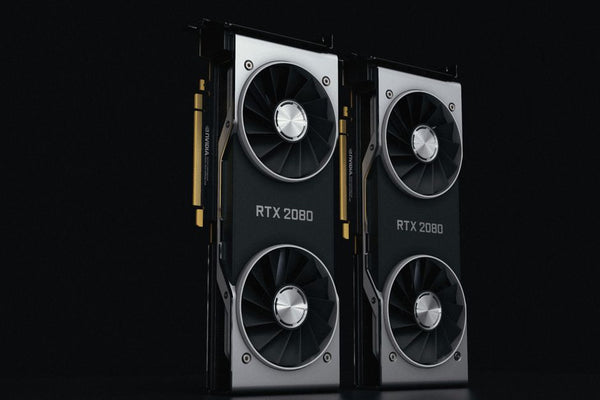
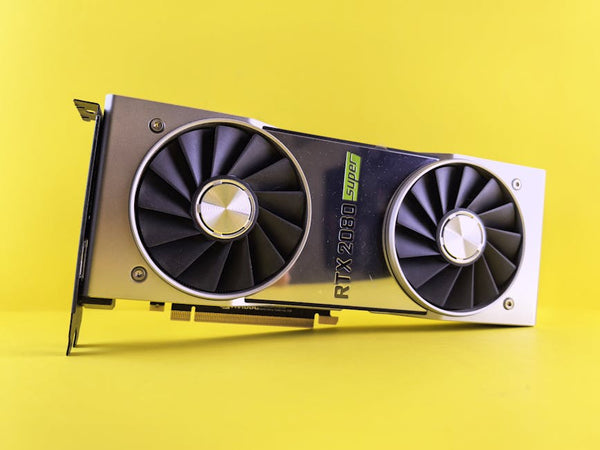
Look at the RTX 4090. That's a 608mm² die with 76.3 billion transistors. Compare that to the GTX 1080's 314mm² die with 7.2 billion transistors. They're using every efficiency gain to pack more performance, not cut costs.
But here's where it gets interesting for custom gaming PC builders. Faster design cycles could mean more targeted SKUs. Instead of waiting two years between GPU generations, we might see more frequent refreshes optimized for specific use cases.
Imagine an RTX 5070 Ti Minecraft Edition that's specifically optimized for high render distances and mod compatibility. Or an RTX 5060 Creator that punches above its weight class in Blender renders. The AI could theoretically design these specialized variants without requiring separate engineering teams for each one.
What This Means for Your Next Build
Honestly, if you're planning a gaming PC build in 2024, this news doesn't change your buying strategy. The RTX 4070 Super is still the sweet spot for 1440p gaming. The RTX 4060 Ti is still questionable with only 8GB of VRAM for its price point.
But it does hint at where things are heading. When I was helping configure a high-end build at our shop here in Orange, TX last week, the customer asked about future-proofing. This AI design acceleration suggests GPU generations might start moving faster than the traditional two-year cycles we've grown accustomed to.
Should you wait for AI-designed chips? Nah. Should you consider that your next GPU might become "mid-tier" faster than previous generations? Probably.
The Engineering Reality Behind the Headlines
Let's get technical for a second. GPU design isn't just about raw compute power – it's about balancing dozens of variables. Memory bandwidth. Power consumption. Die area. Manufacturing yield. Thermal density.
AI excels at juggling these constraints simultaneously. Where human engineers might optimize for power efficiency first, then worry about performance, AI can explore thousands of design permutations that balance all variables from the start.
But here's what AI can't do: decide that gamers want better ray tracing performance over higher rasterization framerates. It can't predict that a global pandemic will spike demand for GPUs. It can't anticipate that cryptocurrency mining will distort the entire market.
Those decisions still require human judgment. The AI is basically a really fast, really accurate intern that never gets tired of running simulations.
The Supply Chain Question
One thing that's been bugging me about this whole story – design speed isn't the bottleneck in GPU production. TSMC's fab capacity is. You could design a new GPU architecture every week, but if there's no manufacturing slots available, it doesn't matter.
This is where the AI design acceleration might actually create problems. If Nvidia can iterate designs faster than foundries can produce them, we might see even more complex product stacks. More SKUs competing for the same limited manufacturing capacity.
Remember the RTX 4060 Ti 8GB vs 16GB situation? That kind of confusion could multiply if design becomes the easy part and market positioning becomes the challenge.
Gaming Performance Implications
Here's something most coverage of this news missed: AI-optimized GPU designs might actually perform differently in real games compared to synthetic benchmarks.
Traditional GPU architecture involves human engineers making educated guesses about workload patterns. They design shader units assuming certain types of compute tasks will be common. Memory controllers are sized based on expected bandwidth requirements.
AI can analyze actual game telemetry data and optimize for real-world usage patterns instead of theoretical peak performance. That could mean future GPUs punch above their weight in actual games, even if their specifications look similar to current cards.
Think about it – if AI can analyze frame-by-frame data from millions of Fortnite matches, it might optimize texture cache behavior specifically for battle royale games. Or design RT cores that excel at the specific ray tracing patterns used in Cyberpunk 2077.
The Enthusiast Angle
For those of us who love tinkering with overclocks and custom cooling, AI-designed chips present an interesting question. Will they be more or less predictable when pushed beyond stock settings?
On one hand, AI optimization might eliminate the "silicon lottery" effect by ensuring more consistent chip characteristics. On the other hand, AI-optimized designs might have less headroom for manual tweaking since they're already running closer to theoretical limits.
Personally, I think we'll see AI-designed GPUs that are more efficient at stock settings but potentially less exciting for extreme overclockers. The days of finding that golden sample RTX card that clocks 300MHz higher than average might be numbered.
What About Competition?
AMD and Intel aren't sitting still while Nvidia plays with AI design tools. AMD's RDNA architecture has consistently surprised people with its efficiency, and that's with traditional design methods. Intel's Arc launch was rocky, but showed they're serious about discrete graphics.
If Nvidia's AI gives them a significant design advantage, competitors will either develop similar tools or find different ways to compete. Maybe AMD focuses on open-source software ecosystems. Maybe Intel leverages their CPU expertise for better integrated graphics solutions.
The question isn't whether AI will change GPU design – it already has. The question is whether it creates sustainable competitive advantages or just raises the baseline for everyone.
Remember when everyone said ray tracing was just a gimmick? Now it's standard in most AAA games. AI-assisted design might follow a similar trajectory.
Looking at this from a TCG perspective, it's like when digital card games started using AI for matchmaking and meta analysis. The fundamental game didn't change, but the optimization and refinement process became dramatically faster.
Shopping Smart in the AI Era
If you're building a gaming PC right now, don't overthink this AI design news. Focus on current performance, current pricing, and current game requirements. The Shop GPUs at TieredUp Tech selection reflects what's actually available and tested, not what might theoretically be possible with future AI designs.
But do keep an eye on GPU generation naming schemes. If design cycles accelerate, we might see more frequent product refreshes with smaller performance gaps between them. That could make timing your upgrade more complex, but also create more opportunities to find good deals on slightly older models.
The truth is, we're probably still 2-3 generations away from seeing dramatic changes in how GPUs perform due to AI-assisted design. Current cards like the RTX 4070 Super and RX 7800 XT are still built with mostly traditional design methods.
What we're seeing now is Nvidia testing the waters and building the infrastructure for future AI-driven development. The real impact won't hit until RTX 6000 series at the earliest, and even then, it'll probably be evolutionary rather than revolutionary changes.
So yeah, AI designing chips overnight sounds impressive, but your next gaming rig will still need human-engineered silicon for the foreseeable future. And honestly? That's probably for the best.














Leave a Comment