


China's AI Chip Push Changes Everything for Gaming Hardware Markets
China just made a massive play. Nine domestic AI chips landed on their "secure and reliable" procurement list for the first time. This isn't just some bureaucratic paperwork shuffle — it's a strategic nuclear bomb aimed directly at Nvidia's dominance in the AI hardware space.
The certifications come from China Information Technology Security Evaluation Centre and the National Secrecy Science and Technology Evaluation Centre. Valid for three years. That timeline matters because it signals long-term commitment, not some knee-jerk political reaction.
Why This Tech News Actually Matters for Gamers
You might be thinking "Jordan, why should I care about some Chinese government procurement list when I'm just trying to hit Radiant in Valorant?" Fair question. Here's the thing — this move ripples through the entire semiconductor ecosystem.
When massive markets like China start backing domestic alternatives, it reshapes global supply chains. Nvidia's been printing money selling H100s and A100s to Chinese companies. Now? Those same companies are getting incentivized to buy homegrown silicon instead.
More competition means innovation accelerates. It also means resources get split between different architectures. Remember when AMD's Ryzen launch forced Intel to actually innovate again? Same energy here, but with way higher stakes.
The Nvidia Dependency Problem
Let's be real for a second. Nvidia's been untouchable in AI acceleration. Their CUDA ecosystem is so entrenched that switching feels impossible for most developers. I've seen this firsthand when customers come into our Orange, TX shop asking about AI workstation builds — it's always "what Nvidia card do I need?"
But monopolies breed complacency. AMD learned this lesson the hard way in the CPU space from 2010-2016. Intel got comfortable, stopped pushing boundaries, and delivered minimal generational improvements. Then Ryzen happened and everything changed overnight.
Gaming Technology Gets Weird When Politics Interfere
Hot take: geopolitical tensions are about to make gaming hardware shopping way more complicated. These Chinese AI chips aren't just for data centers — the same architectural advances trickle down to consumer GPUs.
Think about it. Ray tracing started in professional Quadro cards. DLSS came from AI research. Now we've got multiple countries developing their own silicon stacks. That means gaming features we haven't even imagined yet.
But here's where it gets messy. Supply chains fragment. Standards diverge. What happens when Chinese gaming companies start optimizing for domestic hardware architectures? Do we end up with region-locked performance optimizations?
The Performance Reality Check
Honestly, I'm skeptical these new Chinese chips can match Nvidia's performance right out the gate. Building competitive AI accelerators isn't just about cramming more transistors onto silicon. The software stack matters enormously.
CUDA's been developing for over 15 years. PyTorch and TensorFlow have deep Nvidia integration. Switching architectures means rebuilding entire toolchains. That's not impossible, but it's definitely not trivial.
However — and this is crucial — these chips don't need to be better than Nvidia initially. They just need to be "good enough" while being politically acceptable. Market forces handle the rest.
When massive markets like China start backing domestic alternatives, it reshapes global supply chains and forces innovation across the entire industry.
What This Means for Your Next GPU Purchase
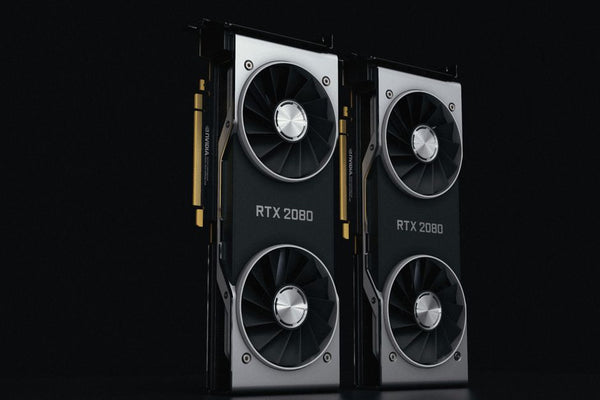
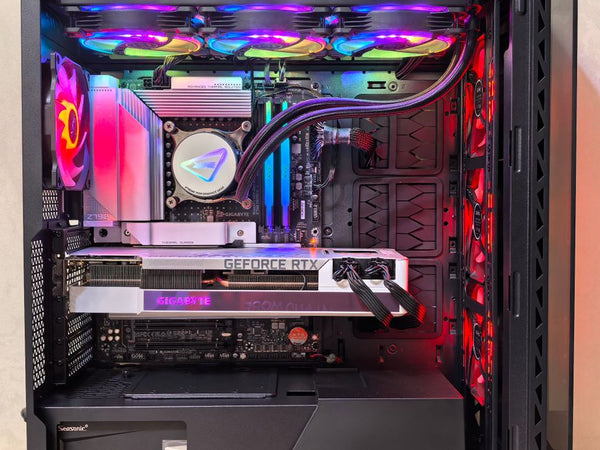
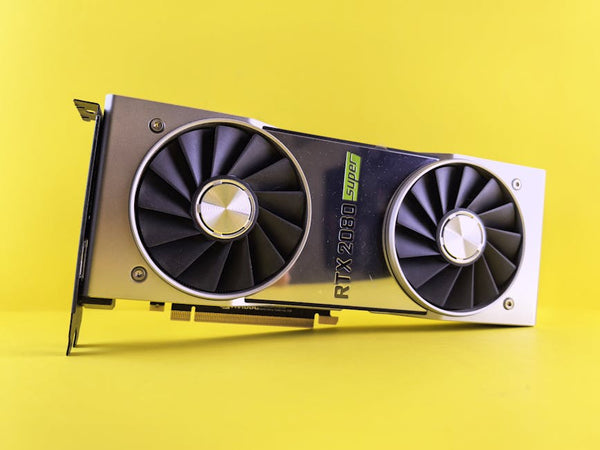
Short term? Probably nothing dramatic. You're still going to want RTX 4070 or 4080 cards for serious 1440p gaming. Shop GPUs at TieredUp Tech and you'll see the same Nvidia dominance we've had for years.
But medium term gets interesting. If Chinese companies start pouring billions into domestic GPU development, we could see legitimate competition emerge. Remember how nobody took AMD seriously in CPUs until Zen architecture dropped? Same potential here.
The real question becomes software support. Will game developers optimize for multiple GPU architectures? Will we see performance differences between "Western" and "Eastern" graphics cards running the same games?
The Fragmentation Concern
Here's what keeps me up at night — market fragmentation hurting gamers. Right now, buying a high-end GPU means choosing between Nvidia and AMD. Pretty straightforward decision tree.
Add Chinese domestic options to the mix, plus potential European initiatives, and suddenly we're looking at five or six different architectures competing. Sounds great for competition, right? Maybe. But it could also mean developers half-ass optimization for everything except the market leader.
Look at mobile gaming. We've got different performance profiles across Snapdragon, Apple Silicon, and various other ARM implementations. Games run differently on different hardware, even within the same performance tier.
Timing Couldn't Be More Interesting
These certifications drop right as AI demand hits absolutely insane levels. Every tech company wants AI acceleration. Cryptocurrency mining might be dead, but AI training is the new gold rush.
China's basically saying "we're not going to be dependent on American silicon for our AI future." Can't blame them, tbh. Export controls have made Nvidia chips harder to get in China anyway.
Personally, I think this accelerates the timeline for legitimate GPU competition. When you've got government backing and massive domestic demand, innovation happens fast. Just look at China's progress in EVs over the last decade.
The three-year certification timeline suggests this isn't some short-term political theater. They're planning for sustained investment in domestic chip capabilities. That's serious money and serious engineering talent getting redirected.
What About Ray Tracing and DLSS?
This is where things get technically fascinating. Nvidia's RT cores and Tensor cores aren't magic — they're just specialized silicon for specific workloads. Other companies can absolutely build equivalent functionality.
AMD's already doing ray tracing with RDNA 3. Intel's got XeSS running on Arc cards. The question becomes whether Chinese AI chip makers will prioritize gaming features or focus purely on data center workloads.
My guess? They'll chase both markets simultaneously. Gaming drives consumer mindshare, which creates political soft power. Plus, the same matrix multiplication units that accelerate AI training can handle upscaling algorithms.
The Bigger Picture Gets Messy
We're witnessing the beginning of semiconductor nationalism. Countries want domestic control over critical technologies. Makes sense from a security perspective, but it complicates everything for consumers.
Will these Chinese chips ever make it into gaming rigs outside China? Probably not directly, but the technology will influence everything. Competition breeds innovation, even when that competition stays geographically contained.
Plus, there's always the possibility of technology transfer through partnerships or licensing deals. The semiconductor industry is incredibly interconnected, despite political tensions.
What's your take on this shift? Are we heading toward a multipolar GPU market, or will Nvidia's software ecosystem keep them dominant regardless of hardware competition? The next few years are going to be absolutely wild for anyone following gaming technology closely. Buckle up — the ride's just getting started.













Leave a Comment