


Yu-Gi-Oh Meta Decks Worth Building Right Now: The Real Investment Talk
Let's get real about Yu-Gi-Oh meta deck investments. You're staring at your collection wondering if you should drop $400+ on the latest Tearlaments build or stick with your janky zombie deck from 2019. Fair question. The trading card game meta shifts faster than CS2 weapon balances, and nobody wants to build a deck that's banned next format.
Honestly, I've watched too many duelists rage-quit after their $600 meta deck got hit with the banlist hammer. But here's the thing — some Yu-Gi-Oh meta decks are genuinely worth the investment if you know what you're doing.
The Current Yu-Gi-Oh Meta Landscape
Right now we're looking at Kashtira dominating everything. Seriously everything. These cards are busted in the best way possible, and Konami knows it. The deck's core engine revolves around banishing your opponent's entire strategy while setting up multiple disruptions. Think of it as the gaming equivalent of spawn camping — annoying but effective.
Purrely is the other tier-one contender that's not going anywhere soon. The deck's consistency is absolutely cracked, and unlike some meta decks that fold to one hand trap, Purrely can play through basically anything. It's like having wall hacks in Valorant — you just see everything coming.
Then there's the wild card: Branded Despia variants still putting up numbers. The deck got hit but didn't die, which honestly surprised me. Albaz fusion summons are still putting pressure on tournaments, especially when piloted by someone who actually knows the combos.
The Investment Reality Check
Building any of these decks isn't cheap. We're talking $300-500 for a competitive build, and that's before you factor in extra deck staples. But here's where it gets interesting — some of these cards hold value way better than others.
Take Kashtira Fenrir. This card was $80+ at peak and is still holding around $45-50. Compare that to something like Spright Elf that crashed from $60 to $15 after the banlist hit. The difference? Fenrir fits into multiple strategies while Elf was format-specific.
Meta Decks Actually Worth Your Money
Kashtira: The Safe Investment
Kashtira is lowkey the smartest meta deck investment right now. Why? The core cards work in multiple builds. Kashtira Arise-Heart isn't just good in pure Kashtira — it slots into any deck that can make rank 7s. That's staying power.
The deck's power level is also just stupid high. You're banishing face-down cards from extra deck, which is basically deleting your opponent's win conditions. In a format where everyone's trying to combo off, removing their tools entirely is premium disruption.
Price-wise, you're looking at roughly $400 for the full build. Expensive? Yeah. But most of these cards aren't getting banned anytime soon. Konami makes money when people buy new product — they're not immediately nuking their cash cow.
Purrely: The Consistent Performer
Purrely is what happens when Konami designs a deck that actually functions like modern card game design should. Every card in the deck does something relevant. No dead draws. No brick hands. It's honestly refreshing after years of combo decks that either pop off turn one or lose immediately.
The investment angle here is different though. Purrely cards are cheaper individually but you need multiples of everything. Still, you're building a deck that's proven it can adapt. When the meta shifts, Purrely pilots just adjust their tech choices and keep winning. That's the kind of flexibility that justifies spending money on cardboard.
Plus, let's be real — the deck is actually fun to play. You're not sitting there for 10 minutes doing solitaire combos. You play interaction-heavy games where decisions matter. If you're gonna spend hundreds on a deck, at least enjoy piloting it.
Branded Variants: The Wildcard Pick
Here's where I might get some hate, but Branded engines are still solid investments. Not pure Branded Despia — that ship sailed after the banlist. But Branded packages in other strategies? Still putting up results.
Branded Fusion at one copy still enables some disgusting plays. Guardian Chimera is a house. Albion the Branded Dragon creates value out of nowhere. These aren't cards that completely die when the meta shifts — they just find new homes.
The risk here is higher though. You're betting on adaptability rather than raw power. But if you already own some Branded stuff, building around it makes more sense than starting from scratch with flavor-of-the-month combos.
What About Pokemon TCG Players?
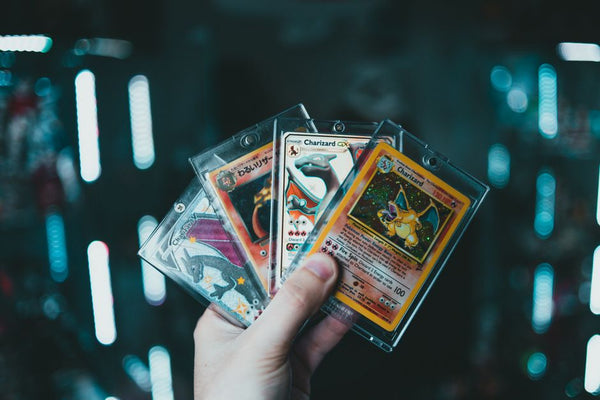
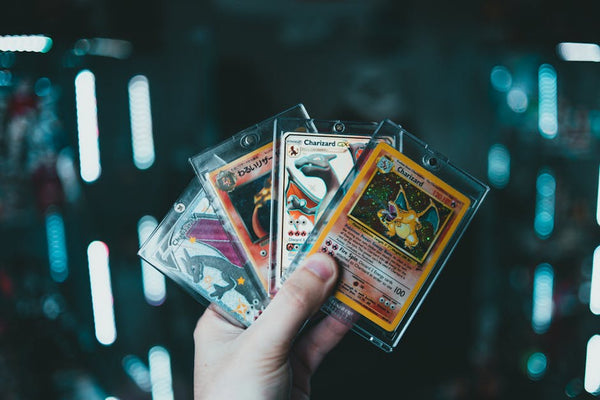
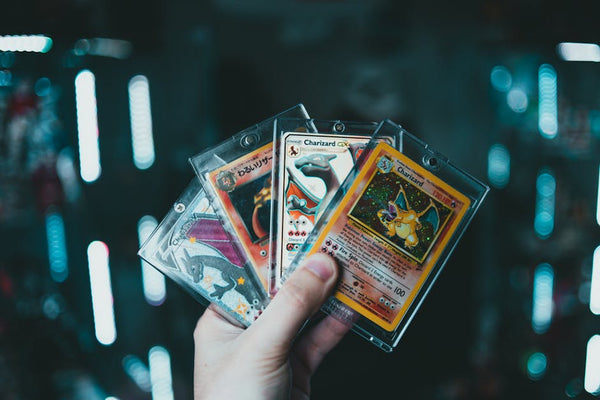
Quick side note — if you're coming from Pokemon TCG, Yu-Gi-Oh investments work differently. Pokemon rotates formats regularly, making older cards worthless for competitive play. Yu-Gi-Oh doesn't rotate, so cards can theoretically stay relevant forever. That changes the investment calculus completely.
Pokemon players are used to $200-300 deck investments lasting maybe two years max. In Yu-Gi-Oh, a good staple card might see play for 5+ years across multiple decks. Different risk profile entirely.
The Cards That Transcend Decks
Want the real investment advice? Focus on staples that work everywhere. Ash Blossom has been a $20+ card for years because every deck needs hand traps. Same with Infinite Impermanence, Effect Veiler, and Called by the Grave.
These cards don't care about meta shifts. Combo deck dominating? You need hand traps. Control format? You need hand traps. It's like buying a good gaming headset — works with everything and improves every experience.
Extra deck staples follow similar logic. Cards like Accesscode Talker or Knightmare Phoenix slot into dozens of different strategies. You buy them once and use them for years. That's way better ROI than chasing format-specific engines that might get banned.
When NOT to Invest
Don't build meta decks if you're trying to flip cards for profit. That's not investing, that's gambling. The Yu-Gi-Oh secondary market is brutal and unpredictable. One banlist announcement can tank your entire collection's value overnight.
Also, don't invest in meta decks if you only play casually. Your local scene at TieredUp Tech here in Orange might be super chill, but spending $500 on Kashtira to beat up casual Elemental Hero decks is just mean. Build something fun instead.
Hot take: Don't invest in any meta deck unless you're actually planning to compete. Regional tournaments, YCS events, serious competitive play. If you're not grinding ladder or attending events, that money's better spent on a broader collection or just keeping it in your bank account.
The Real Investment Strategy
Here's what actually makes sense: buy into proven engines when they're slightly past peak hype. Kashtira is still expensive because it's dominating right now. But in 3-4 months when something new drops, you might catch those cards at better prices while they're still tournament viable.
Think like you're buying gaming hardware. You don't need the absolute newest GPU day one — last generation performs great and costs way less. Same principle applies here.
Also consider your local meta. If everyone at your shop is playing budget decks, you don't need tournament-optimized builds. A $200 version of Kashtira still beats most casual strategies while costing half as much.
The Reality of TCG Investments
Let's address the elephant in the room — calling card purchases "investments" is mostly copium. Yeah, some cards hold value. Some even appreciate over time. But you're primarily paying for entertainment, not building a portfolio.
That said, if you're gonna spend money on cardboard anyway, spending it smartly makes sense. Buy cards that see long-term play. Avoid hyped engines that scream "banlist target." Focus on versatility over raw power.
The best Yu-Gi-Oh investment isn't any specific deck — it's learning to read meta trends and buying accordingly. Develop that skill, and you'll make better purchasing decisions regardless of what cards are good next format.
Meta decks rise and fall faster than Twitch streamers, but smart collection building is forever. Choose wisely, duel responsibly, and maybe you'll still be playing those cards in five years instead of staring at a binder full of expensive nostalgia.
Looking for the right setup? Check out BitCrate Custom Gaming PCs — built right here in Orange, TX.





































Leave a Comment