


Pokemon TCG Investing: Which Cards Hold Their Value Like a Graphics Card That Never Goes Out of Style?
Let me tell you something about Pokemon TCG investing that most people don't get. It's basically like hunting for the perfect RTX 4090 deal, except instead of frame rates, you're chasing cardboard that could fund your next gaming rig.
I've been watching both markets for years. GPU prices tank when new generations drop. Same thing happens with trading card game rotations. But here's the kicker – some cards are like that legendary GTX 1080 Ti that somehow still commands respect years later.
Base Set Cards: The AMD Ryzen of Pokemon TCG Investing
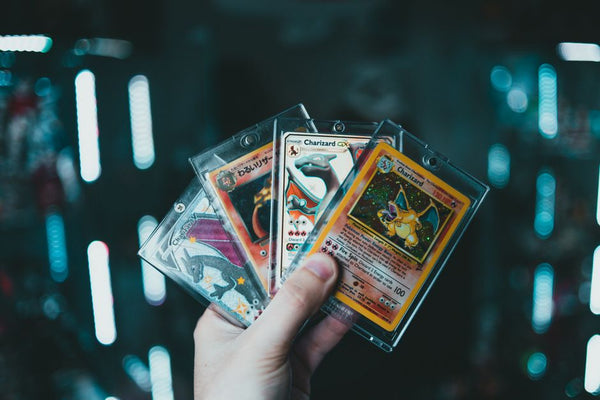
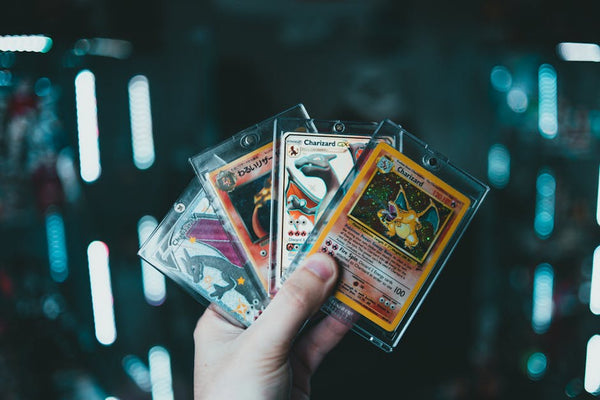
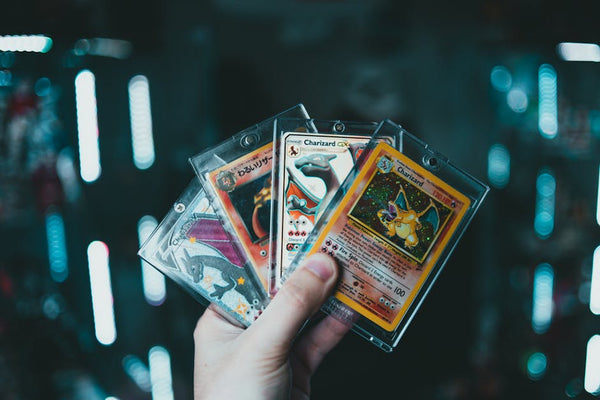
Base Set Charizard isn't just a card. It's basically the i9-13900K of the Pokemon world – everyone wants one, prices stay stupid high, and you'll probably overpay but feel amazing about it.
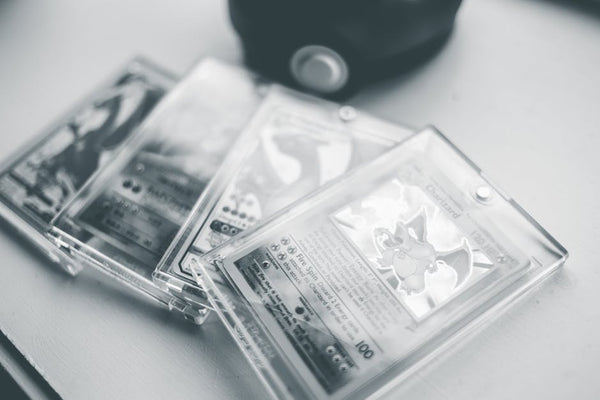
Honestly, Base Set holos are where smart money goes. PSA 9 Charizards consistently hit $3,000-$5,000. That's more than most people's entire PC builds! But think about it – how many pristine copies exist? The supply is fixed forever, demand keeps climbing.
Here's what actually holds value from Base Set:
- Charizard (obviously – this thing's basically crypto at this point)
- Blastoise and Venusaur (the trinity stays together)
- Alakazam and Machamp (sleeper picks that keep climbing)
- Chansey (weirdly stable, like AMD stock)
Personal opinion time: Base Set shadowless cards are the only "safe" Pokemon investment. Everything else is gambling.
Modern Era Cards: High Risk, High Reward Gaming
Modern Pokemon cards are like preordering games on Steam. Sometimes you get Baldur's Gate 3. Sometimes you get Cyberpunk 2077 on launch day.
Japanese exclusive cards absolutely destroy English versions in value retention. Why? Limited print runs, superior quality control, and that exclusivity factor that makes collectors go absolutely feral. It's like having the Founder's Edition of an RTX card – technically the same performance, but that psychological premium hits different.
Champions Path and Hidden Fates: The Hits and Misses
Champions Path was supposed to be the next big thing. Rainbow Charizard VMAX hit $400 at peak hype. Know what it's worth now? About $80-100. That's a 75% value drop faster than cryptocurrency during a bear market.
Hidden Fates Shiny Charizard GX, though? Still holding around $300-400 for PSA 10s. The difference? Hidden Fates had actual scarcity, while Champions Path got reprinted more than Skyrim.
Hot take: Most modern cards are overprinted garbage that'll be worth pennies in five years. But the exceptions are absolute goldmines.
Japanese vs English: The Build Quality Debate
This reminds me of ASUS vs MSI debates, except the stakes are your actual money. Japanese cards consistently grade better because their quality control doesn't suck. Centering is crisp, edges stay clean, surfaces resist damage.
English cards? It's like buying the cheapest motherboard on Newegg and hoping it doesn't die. Pokemon Company International's printing quality is genuinely embarrassing compared to Japan's standards.
Japanese Black Star Promos routinely sell for 3-5x their English counterparts, and it's not just about rarity – it's about that premium feel collectors actually want to own.
The Promo Card Market
Tournament promos are absolutely busted for value retention. Think about it – these were given to maybe 50-200 people at specific events. That's rarer than finding a reasonably-priced RTX 4090 during the mining boom.
1998 Tropical Mega Battle Trophy Pikachu? $200,000+. Not kidding. That's a house down payment for a piece of cardboard smaller than your graphics card.
Grading: When PSA 10 Means Everything
Raw cards are like unboxed CPUs – functional, but nobody's paying premium prices. PSA 10s are where the real money lives, and the difference between a 9 and 10 can be thousands of dollars.
I've seen people lose their minds over print lines invisible to naked eyes. It's like arguing about whether your RTX 4080 hits exactly 2700MHz boost clock or just 2695MHz. Technically different, practically meaningless, but psychologically crucial for resale value.
Working at TieredUp Tech in Orange, TX, I see people stress about component authenticity constantly. Same energy applies to card grading – authentication matters more than the actual product sometimes.
Population Reports and Market Psychology
PSA population reports are like Steam achievement percentages. Low completion rates create artificial scarcity that drives prices completely insane. A card with 50 PSA 10s will always outperform one with 500 copies, regardless of actual demand.
What Actually Matters for Long-Term Value
Forget the hype. Focus on these factors:
Iconic Pokemon trump everything else. Charizard, Pikachu, Mewtwo, Lugia – these are the faces people recognize. Nobody's dropping serious money on Dunsparce cards, no matter how rare they are.
Age creates natural scarcity. Cards from the 90s and early 2000s physically degrade over time. Fewer mint copies exist every year. Basic supply and demand economics.
Tournament history adds narrative value. Cards connected to championship moments or famous players develop legendary status. It's like owning the actual keyboard Faker used to win Worlds – the story sells itself.
Red Flags That Scream "Don't Buy"
Massive print runs kill value faster than Intel's stock price after a vulnerability announcement. If Target's selling booster boxes, that's not investment material.
Artificial scarcity through variants is pure marketing nonsense. Gold cards, rainbow foils, alternate arts – these are like RGB lighting on RAM. Looks cool, doesn't affect performance, premium fades quickly.
Personally, I think anything printed after 2020 needs at least five years before we can judge its investment potential. The market's too volatile right now.
The Speculation Bubble Reality Check
We're probably in a Pokemon card bubble similar to the crypto boom of 2021. Logan Paul buying a $6 million Charizard created FOMO that infected the entire market. Prices disconnected from reality.
Smart investors are waiting for the correction. When casual money leaves the market, that's when real value emerges.
Building Your Collection Strategy
Diversification works for Pokemon investing just like stock portfolios. Don't go all-in on Base Set Charizards. Mix vintage staples with carefully selected modern cards and Japanese exclusives.
Set realistic budgets. This isn't rent money or your graphics card upgrade fund. Treat it like entertainment spending that might accidentally make you rich.
Storage matters more than most people realize. Top loaders and penny sleeves are like proper cable management – essential for long-term performance. Climate control prevents warping and edge wear.
The Pokemon TCG market rewards patience and knowledge over impulse buying. Study completed sales, not active listings. Learn the difference between hype and genuine demand. Most importantly, buy cards you'd actually want to own even if they never gained value.
Because at the end of the day, staring at a pristine Charizard feels about as satisfying as watching your custom RGB build boot up perfectly on the first try. Some investments just hit different.
Looking for the right setup? Check out Pokemon TCG at TieredUp Tech — built right here in Orange, TX.












Leave a Comment