


Pokemon TCG Investing: Which Cards Actually Hold Their Value (And Which Are Total Traps)
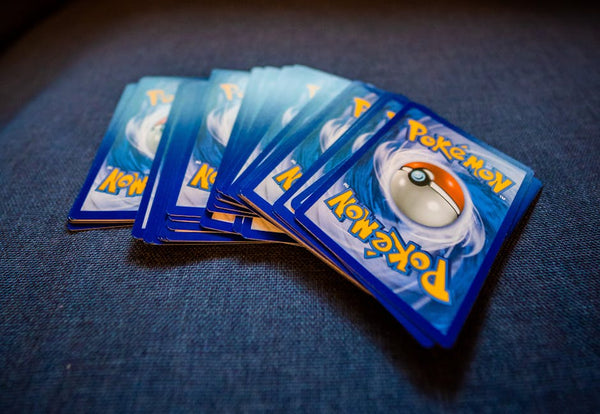
Look, I've been building PCs for over a decade, but Pokemon TCG investing has become this weird side obsession of mine. Started when I was helping this kid at TieredUp Tech pick out parts for his streaming rig and he mentioned dropping $800 on a single card. My first thought? "Bro, that's a 4070 Super." But then I started digging into the Pokemon TCG market.
Turns out, some of these cardboard rectangles appreciate faster than my RTX 4090. Others? Total money pits. Let me break down what I've learned about Pokemon card investing after watching this market for three years and making some genuinely stupid mistakes along the way.
The Pokemon TCG Investment Reality Check
First things first - most Pokemon cards are basically worthless. I know that's harsh, but it's true. Walking into your local shop with a binder full of modern cards expecting to retire early is like showing up to a LAN party with a laptop running integrated graphics. Technically possible, but you're gonna have a bad time.
The market moves on three main factors: nostalgia, scarcity, and condition. That's it. Everything else is marketing BS designed to separate you from your money faster than a Steam sale.
Personally, I think 90% of "investment" advice floating around Pokemon TCG communities is pure copium. People who bought cases of Evolving Skies at $180 each trying to convince themselves they made smart moves when those same cases are sitting at $120 today.
Vintage Cards: The Blue Chips of Pokemon
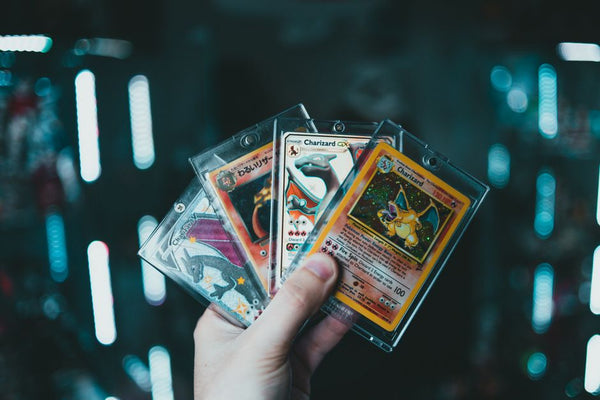
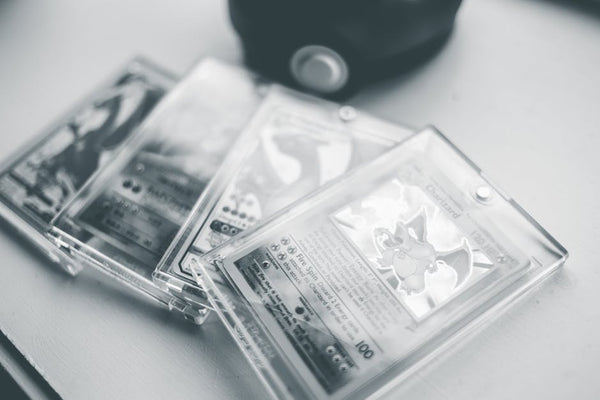
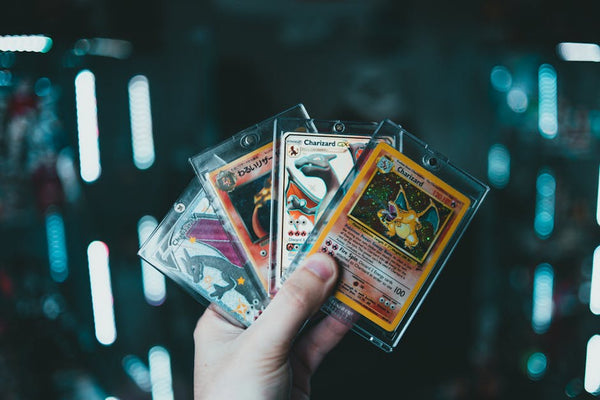
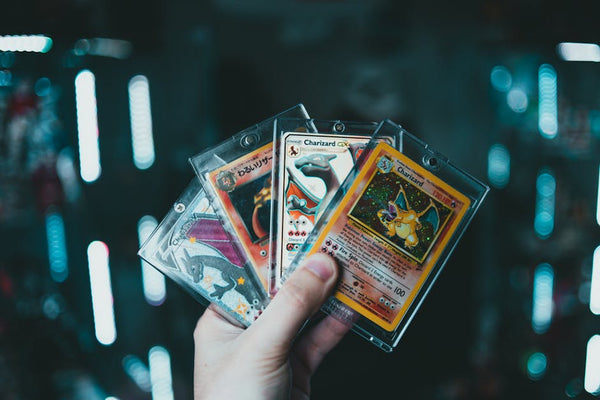
Base Set cards from 1998-1999? These are your solid plays. Charizard, obviously, but also Blastoise, Venusaur, and even some of the uncommons hold value surprisingly well. A PSA 9 Base Set Shadowless Charizard averaged $6,500 in 2023. Same card in PSA 10? We're talking $25,000-30,000 range.
But here's where it gets spicy - those Japanese Base Set cards are often better investments than their English counterparts. Lower print runs, better quality control, and honestly? The artwork just hits different. A Japanese Base Set Charizard in PSA 10 can outperform the English version by 20-30% in appreciation.
Neo Genesis, Jungle, Fossil - all solid vintage sets. Team Rocket has this cult following that keeps prices stable. Crystal Pokemon from e-Series? Absolute monsters for appreciation, but good luck finding them in gradeable condition.
Modern Pokemon TCG: Where Dreams Go to Die
Modern Pokemon cards are trickier than overclocking a budget motherboard. Everyone thinks they're gonna hit big on the next chase card, but the print runs are massive now. Pokemon Company learned their lesson from the vintage shortage.
That said, some modern cards genuinely hold value. Alt art cards from recent sets perform well - think Umbreon VMAX from Evolving Skies or the Charizard from Champion's Path. These aren't hitting vintage numbers, but a PSA 10 Umbreon VMAX alt art will run you $400-500, which isn't terrible for a card from 2021.
Here's my hot take though: most Pokemon TCG investors are chasing the wrong modern cards. Everyone's obsessing over the $200-300 cards when they should be looking at $50-80 cards with room to grow. Lower barrier to entry, higher volume, less competition from deep-pocket collectors.
Japanese vs English: The Performance Gap
Ngl, Japanese cards consistently outperform English cards in the investment game. Better centering, superior print quality, and smaller initial print runs. Plus, Japanese collectors take condition seriously - like, really seriously. Makes the PSA 10 population more meaningful.
English cards get the volume, but Japanese cards get the appreciation. It's like comparing mainstream DDR5 to Samsung B-die - both work, but one's clearly superior for enthusiasts.
The language barrier actually works in your favor too. Fewer American collectors bidding on Japanese auctions means better entry prices if you know where to look.
Grading: The Double-Edged Sword
PSA grading is basically mandatory for serious Pokemon TCG investing. Raw cards are like used GPUs on eBay - might be perfect, might be a disaster. Nobody wants that uncertainty when dropping serious money.
But grading costs add up fast. $20 per card for regular service, $50-100 for expedited. Factor in shipping, insurance, and the 3-6 month wait times? You're looking at significant overhead. Only grade cards worth $100+ raw, or you're just burning money.
BGS vs PSA? PSA dominates the Pokemon market. BGS has better slabs, but PSA has the liquidity. It's like trying to sell an AMD build to Intel fanboys - technically superior doesn't always win in the marketplace.
Pro tip: PSA 9s often offer better value than PSA 10s. The price gap is usually 2-3x, but the actual condition difference is minimal. Smart money targets high-end PSA 9s over mid-tier PSA 10s.
The Condition Trap Everyone Falls Into
People underestimate how brutal Pokemon grading standards are. Cards that look mint to your eyes come back PSA 7 or 8. It's genuinely heartbreaking watching someone crack a fresh pack, see a perfect card, and then get a PSA 8 because of microscopic edge wear.
Modern cards straight from packs average PSA 9. Vintage cards? PSA 7-8 is more realistic. Plan accordingly when calculating potential returns.
Red Flags in Pokemon TCG Investing
Avoid anything with "investment potential" in the marketing. Pokemon 25th Anniversary Classic Collection? Pure cash grab. Hidden Fates tins restocked six times? Not exactly "limited." When Pokemon Company wants to milk a product, they'll reprint until demand dies.
Influencer-hyped cards are usually terrible investments. Remember when Logan Paul bought that $6 million box? Prices crashed within months when people realized the supply was larger than advertised. Social media hype creates bubbles, and bubbles always pop.
Here's something that might surprise you though - I'm not entirely sold on Charizard long-term. Yeah, it's the poster child, but the market's getting oversaturated with Charizard variants. Sometimes the best investments are cards nobody's talking about yet.
Market Timing and Liquidity Issues
Pokemon card values swing harder than crypto. One viral TikTok video can move prices 20% in either direction. The market's still young, volatile, and frankly kind of immature compared to traditional collectibles.
Liquidity varies wildly too. Popular cards sell fast, but niche stuff can sit for months. Ever tried selling a PSA 10 Dark Raichu? Great card, terrible liquidity. Meanwhile, Base Set starters move in hours.
Building a Pokemon TCG Portfolio That Actually Works
Diversification matters in Pokemon TCG investing just like any other market. Don't go all-in on one card or even one era. My portfolio splits roughly 60% vintage, 30% modern Japanese, 10% wild cards.
Wild cards are where I throw money at stuff that might explode - think cards from underrated sets or characters that could get anime/movie boosts. It's basically gambling, but controlled gambling.
Start with Base Set if you're serious about this. Charizard, Blastoise, Venusaur in PSA 8-9 condition. These are your foundation. Everything else builds from there.
For modern stuff, focus on alt arts and special illustrations. These consistently outperform regular cards and have better long-term prospects. The Pokemon TCG market rewards visual appeal almost as much as nostalgia.
Want my honest take after three years watching this space? Pokemon TCG investing works if you actually understand the market, buy smart, and don't get caught up in hype cycles. But if you're looking for guaranteed returns, just buy index funds. This hobby's got more variables than a custom loop cooling setup, and twice as many ways to spring leaks.
The real winners? People who buy what they love and happen to make money. Because at the end of the day, you're buying pictures of cartoon monsters. Make sure you actually enjoy the ride, whether those Pokemon TCG cards moon or crater.











Leave a Comment