


Pokemon TCG Investing: Which Cards Actually Hold Their Value?
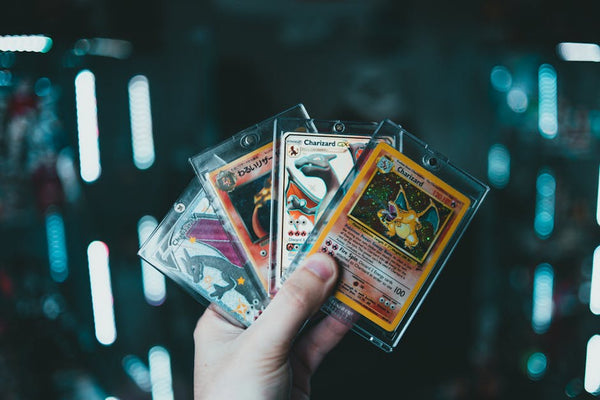
Remember when everyone thought their Charizard from Base Set was going to pay for their kid's college? Yeah, about that... Pokemon TCG investing isn't quite the guaranteed goldmine social media made it seem. But here's the thing – some cards genuinely do hold value, and after watching countless customers at TieredUp Tech make both brilliant and absolutely terrible investment choices, I've learned to spot the difference.
Look, I get it. The hype was real. Logan Paul drops $6 million on a box, streamers are pulling $300,000 cards, and suddenly everyone's digging through their childhood collections. But can we talk honestly about what actually happens to most Pokemon cards?
The Pokemon TCG Reality Check
Most cards aren't investments. They're game pieces that happen to look cool.
I've seen too many people drop serious money on modern chase cards thinking they're buying their retirement fund. This one customer last month walked in asking about a $200 Alternate Art Charizard from Brilliant Stars, convinced it would double in value. Personally, I think modern print runs are way too large for most cards to maintain those crazy initial prices.
The market's flooded. Pokemon Company International isn't stupid – they know demand is high, so they're printing accordingly. That gorgeous AA Charizard? There are thousands of them out there, not hundreds.
What Makes Cards Actually Valuable Long-Term
Here's what I've noticed watching the trading card game market for years: scarcity plus playability equals lasting value. Sometimes it's nostalgia. Sometimes it's competitive demand. But it's never just hype alone.
Take Base Set Shadowless Charizard. Yes, it's expensive because nostalgia, but also because the print run was genuinely small compared to today's standards. We're talking about cards from 1998 when Pokemon was still figuring out if this whole TCG thing would work in America.
Compare that to something like Evolving Skies Rayquaza VMAX. Beautiful card, sure. But when Walmart's got entire pallets of boosters for months? That's not scarcity, that's abundance.
The Cards That Keep Their Pokemon TCG Investment Value
Hot take: vintage always wins in the long run. Not because old automatically means good, but because old means limited supply with no reprints coming.
Base Set through Neo Genesis era cards (1998-2001) have the most stable long-term value. Why? Simple math. Fewer cards printed + 25 years of kids throwing them away + adult collectors with disposable income = sustained demand.
Here's my personal hierarchy of Pokemon cards that actually hold value:
Tier 1: The Untouchables
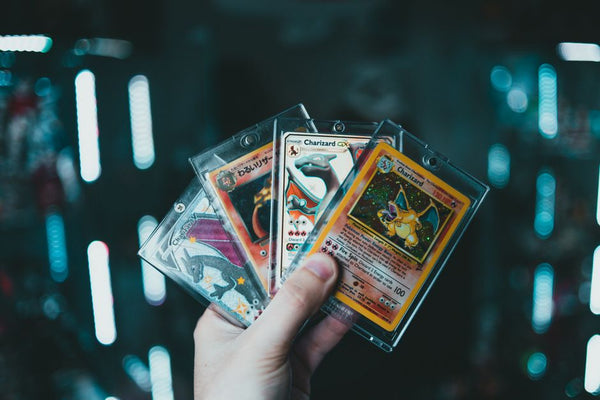
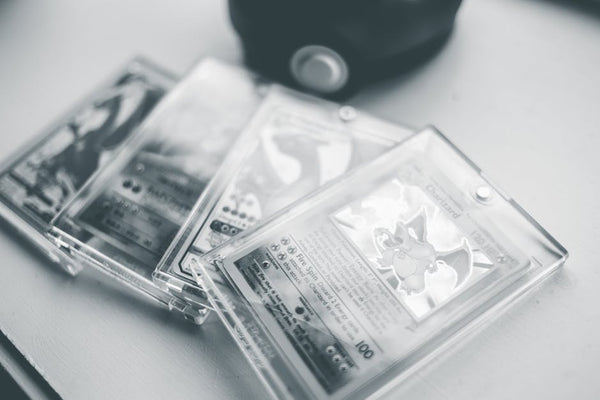
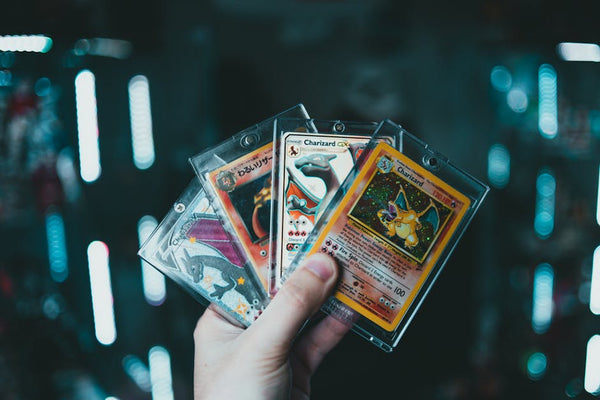
Base Set Shadowless cards in good condition. Period. The PSA 10 Charizard hitting $350,000 wasn't a fluke – it was the market finally catching up to the card's cultural significance. Even raw Near Mint copies hold steady around $1,000-3,000 depending on condition.
Trophy cards and tournament promos from the early years. These were given to maybe dozens or hundreds of people total. The 1998 Pikachu Illustrator? Only 40 copies graded by PSA exist. That's not speculation, that's basic supply and demand.
Tier 2: Solid But Not Spectacular
First edition Base Set unlimited cards. Yeah, they're not shadowless, but they're still from the original run. A first edition Charizard in decent shape? Still looking at $1,000+ easily.
Japanese exclusive promos and cards from sets that never got English releases. The Japanese market has always been more stable than the American speculation circus.
Gold Star cards from the EX series (2005-2007). These were insanely rare pulls – like 1 in multiple cases rare. The Charizard Gold Star? Still pulling $3,000+ for PSA 9 copies.
Modern Cards Worth Watching
Honestly? I'm skeptical of most modern Pokemon TCG investing opportunities. But if you're determined to gamble on newer stuff, here's what makes sense:
Alternate Art cards from recent sets, but only the absolute chase cards. The Umbreon VMAX AA from Evolving Skies has maintained decent value because it's genuinely gorgeous and Umbreon's popularity is insane.
Japanese exclusive cards that don't get English releases. The international market for these stays more stable because supply is naturally limited to Japan.
Competition decks and tournament exclusive items. Not the cards themselves necessarily, but sealed product from major events.
The Mistakes Everyone Makes
Why do so many Pokemon card "investments" crash and burn? Because people buy with their hearts, not their heads.
I can't tell you how many customers I've seen drop $500 on a modern card that was hot for exactly three weeks. Remember when Cosmic Eclipse was going to change everything? How about when Hidden Fates boxes were "guaranteed" to go up in value?
The truth? Most modern sealed product comes back down to Earth pretty quickly. Those $200 Evolving Skies booster boxes? They're $130 now. The $80 Hidden Fates ETBs? You can grab them for $45.
People also grade everything thinking a PSA 10 automatically means profit. Newsflash: grading costs $20-50 per card now, and most modern cards aren't worth grading unless they're genuine chase pulls. That Pikachu V? It's not worth $200 just because PSA slapped a 10 on it.
The Condition Trap
Here's where people really mess up – condition matters more than anything else for vintage cards. Like, dramatically more. A PSA 8 Base Set Charizard isn't worth half a PSA 10. It's worth maybe one-tenth.
I've watched collectors get absolutely destroyed buying "near mint" vintage cards online that show up played at best. If you're serious about Pokemon TCG investing, learn to grade condition yourself or stick to already-graded cards from reputable sources.
Where the Market's Heading
Are we in a bubble? Parts of it, absolutely. The speculation on modern product feels unsustainable. But the vintage market? That's not going anywhere.
The kids who grew up with Pokemon in the late '90s are hitting their peak earning years now. They've got money and nostalgia – a dangerous combination for their wallets but great news for vintage card values.
Japanese cards are becoming more popular with American collectors, which creates interesting opportunities. And honestly, with Pokemon's 30th anniversary coming up in a few years, I wouldn't be surprised to see another surge in vintage interest.
But let's be real – if you're looking at Pokemon cards purely as investments, you're probably approaching this wrong. The best cards to buy are ones you genuinely love that happen to hold value. Because at least when the market dips, you still have something cool to look at.
The smart money isn't chasing the latest chase card or dropping $500 on modern boxes hoping to hit something big. It's slowly building a collection of genuinely scarce, culturally significant cards that have already proven their staying power. Your future self will thank you for buying that clean Base Set Blastoise instead of gambling on whatever's trending on PokeInfluence this week.
Looking for the right setup? Check out Pokemon TCG at TieredUp Tech — built right here in Orange, TX.







Leave a Comment