


Pokemon TCG Investing: Which Cards Hold Their Value Best?
The Pokemon TCG market is absolutely wild right now. I've been tracking card prices for years, and honestly, some of these value swings make crypto look stable. But here's the thing — while everyone's chasing the latest hyped pulls, smart collectors are building portfolios that actually hold value long-term.
Let me break down which cards you should be eyeing if you want your collection to be more than just pretty cardboard.
Base Set Shadowless: The Blue Chips of Pokemon TCG
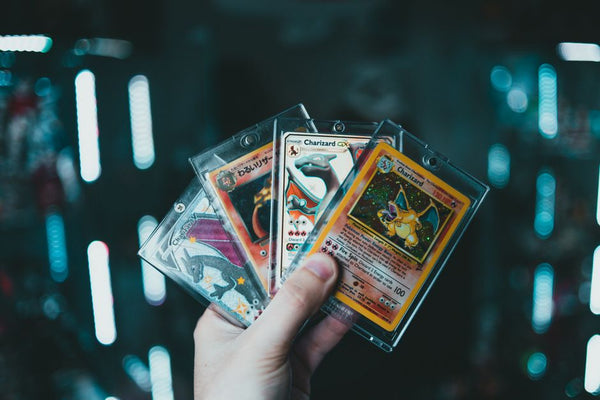
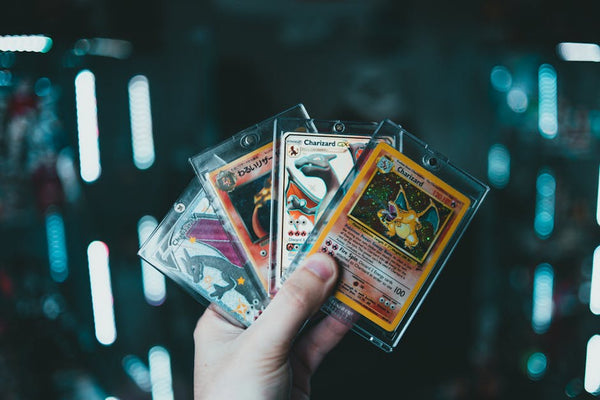
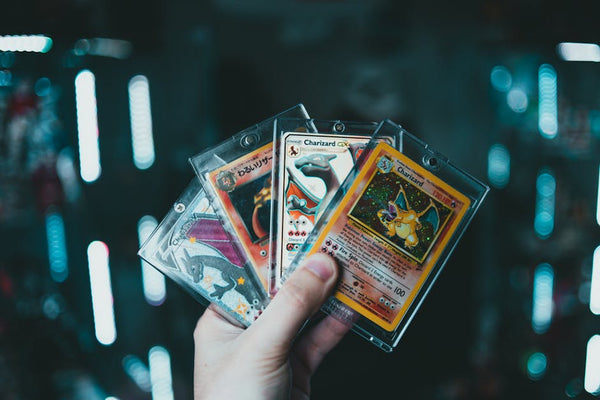
Base Set Shadowless cards are basically the S&P 500 of trading card game investing. Charizard gets all the headlines — that PSA 10 selling for $350,000+ in 2022 was insane. But you don't need six figures to play this game.
Blastoise and Venusaur from the same set? Still expensive but way more accessible. A PSA 9 Blastoise sits around $2,000-3,000, which isn't pocket change, but it's not mortgage-your-house money either. These cards have proven staying power because they represent the absolute beginning of Pokemon's cultural impact.
Hot take: unlimited Base Set cards are criminally undervalued right now. Sure, they're not as rare as Shadowless, but they're still from 1998. A PSA 9 unlimited Charizard for under $1,000? That's a steal compared to modern chase cards.
Why Base Set Holds Value
Nostalgia drives everything in this market. Period. The kids who opened Base Set packs in 1999 are now adults with disposable income and childhood trauma to heal through expensive cardboard. That demographic isn't going anywhere, and neither is their willingness to pay premium prices for their childhood favorites.
Japanese Cards: The Sleeper Picks
Japanese Pokemon cards are lowkey the smartest investment play right now. Why? Supply and demand basics. Most Japanese cards had smaller print runs than their English counterparts, especially the early stuff.
Japanese Base Set No Rarity Charizard? Absolutely bonkers expensive. But look at other Japanese exclusives — the Promo cards, the Vending Series, Trophy cards. These have built-in scarcity that English collectors are just starting to appreciate.
I've seen collectors at our shop here in Orange, TX completely sleep on Japanese cards because they can't read them. Their loss, honestly. Condition matters even more with Japanese cards since they used different card stock and printing processes.
Trophy Cards Are Different Beasts
Tournament trophy cards are insane. We're talking about cards with print runs in the hundreds, sometimes dozens. The 1997 Pikachu Illustrator? Over $6 million for a PSA 10. Even "common" trophy cards from regional tournaments can hit five figures easy.
The risk? Authentication is crucial. Fake trophy cards are everywhere, and the difference between real and fake is literally hundreds of thousands of dollars.
Modern Era: Pokemon TCG's New Investment Landscape
Modern cards are tricky. Print runs are massive compared to vintage stuff, but certain cards still manage to hold crazy value. Personally, I think most modern chase cards are overpriced speculation bubbles waiting to pop.
But there are exceptions. First edition Team Rocket cards from 2000? Those hold value because the set was actually underprinted. Neo Genesis first editions are solid too. The key is finding sets where something went wrong with distribution or where demand exceeded supply by a huge margin.
Logan Paul buying that $6 million Charizard definitely inflated the whole vintage market, but it also brought mainstream attention to Pokemon cards as legitimate collectibles. Love him or hate him, that purchase changed everything.
The Grading Game Changes Everything
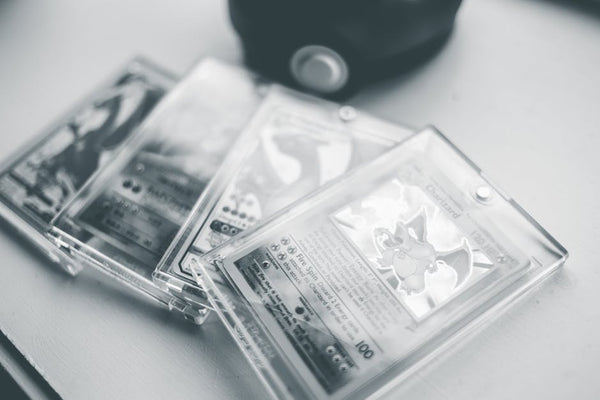
PSA and BGS grading isn't just about condition anymore — it's about investment protection. Raw cards, even mint ones, sell for fractions of what graded 10s command. The spread is getting ridiculous.
Here's where it gets interesting: PSA 9s often represent the best value play. A PSA 9 vintage Charizard might be 60-70% of a PSA 10's price but 300-400% of a raw mint card. You're paying for the authentication and condition guarantee without the 10 premium.
A PSA 10 Base Set Shadowless Charizard sold for $350,000 in 2022, but PSA 9 examples can be found for under $50,000 — still expensive, but a completely different tier of accessibility.
Sets That Actually Matter for Long-Term Value
Not all Pokemon TCG sets are created equal when it comes to investment potential. Some sets were printed into oblivion, others had distribution issues, and a few hit that perfect sweet spot of nostalgia and scarcity.
Jungle and Fossil first editions are solid. These were the follow-ups to Base Set, released when Pokemon fever was still white-hot. Lower print runs than unlimited editions, but way more accessible than Shadowless Base Set.
Neo Genesis through Neo Destiny? Underrated period. These sets introduced Generation 2 Pokemon when the franchise was still culturally dominant. First edition Lugia from Neo Genesis is a monster card that doesn't get nearly enough respect.
e-Card series from 2001-2003 is where things get really interesting. These cards had built-in Nintendo e-Reader functionality, making them unique in Pokemon history. Expedition, Aquapolis, and Skyridge are all limited print run sets with genuine scarcity.
The Commons Nobody Talks About
Everyone chases the big three — Charizard, Blastoise, Venusaur. Smart money looks at first edition Machamp (technically unlimited but whatever), Alakazam, and even some of the better uncommons from early sets.
First edition Dark Charizard from Team Rocket? Still pricey but not insane. Dark Blastoise from the same set trades at reasonable multiples. These aren't going to make you rich overnight, but they're way more stable than modern chase cards.
Red Flags: Cards That Won't Hold Value
Let's be real about what's probably overpriced right now. Most modern special releases and alternate art cards are speculation plays, not investments. Yeah, that Alternate Art Umbreon from Evolving Skies is gorgeous, but it's also from a set that was printed for months.
Promo cards from recent Pokemon Centers or GameStop distributions? Usually garbage investments. Millions of these get handed out, and nostalgia won't kick in for 15-20 years minimum.
Any card where the hype exceeds the actual scarcity is a red flag. If everyone's talking about a card on social media, you're probably too late to make real money on it.
The Authentication Problem
Fake cards are absolutely everywhere now. The counterfeiting technology has gotten scary good, especially for high-value vintage cards. If you're dropping serious money, get everything authenticated through PSA or BGS. Period.
Raw cards claiming to be mint? Unless you really know what you're looking for, don't trust it. The difference between near mint and truly mint condition can be thousands of dollars on vintage cards.
Building a Portfolio That Actually Makes Sense
Diversification matters in Pokemon TCG investing just like any other market. Don't put everything into one Charizard and pray. Mix vintage with modern, English with Japanese, and always keep some liquid cards you can move quickly if needed.
Personally, I think the sweet spot for most collectors is PSA 8-9 vintage cards mixed with first edition cards from the early sets. You get the nostalgia factor, proven demand, and actual scarcity without paying the absolute premium for perfect 10s.
The Pokemon TCG market moves fast, but the fundamentals don't change overnight. Condition, authenticity, and genuine scarcity will always matter more than temporary hype.
Market timing is impossible to predict perfectly, but buying quality cards during temporary dips has worked out pretty well historically. The key is having patience and not chasing every pump-and-dump cycle that social media creates.
Remember — you're not just buying cardboard. You're buying a piece of gaming history, and the best pieces of history tend to appreciate over time. Just make sure you're buying the right pieces.










Leave a Comment