


Pokemon TCG Investing: Which Cards Actually Hold Their Value Long-Term?
Look, I've been building PCs for over a decade, but my wallet's other addiction? Pokemon TCG investing. Yeah, I know what you're thinking – "Marcus, stick to GPUs and RAM speeds." But hear me out, bro. After watching customers at TieredUp Tech drop $800 on graphics cards without blinking, I started wondering if those same folks were missing out on another collectibles market that's been absolutely crushing it.
The Pokemon trading card game isn't just nostalgia fuel anymore. We're talking about a legitimate investment market where certain cards have outperformed the S&P 500. No cap.
Why Pokemon TCG Cards Beat Your Stock Portfolio
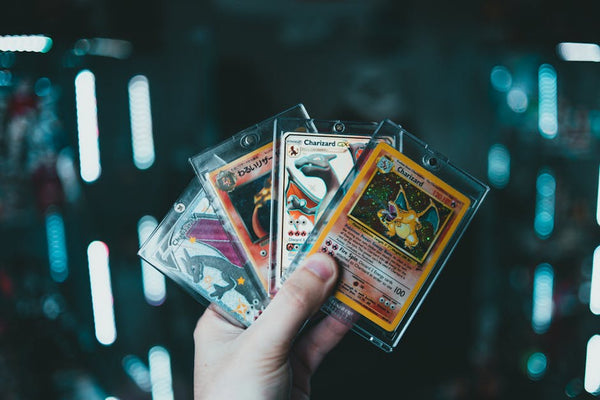
Honestly, the numbers are kind of insane. A Base Set Shadowless Charizard in PSA 10 condition sold for $350,000 in 2022. That same card was maybe $500 in decent condition back in 2010. Do the math – that's a 70,000% return over twelve years.
But here's the thing most people get wrong about card investing. They think it's all about chasing the next viral TikTok card or throwing money at whatever Logan Paul's hyping this week. That's how you get burned harder than a budget PSU under full load.
Smart Pokemon TCG investing follows similar principles to any other collectibles market. Rarity matters. Condition is everything. And demand has to exist beyond pure speculation.
The Holy Grail Cards That Never Lose Value
Let's start with the obvious ones – Base Set cards from 1998-1999. These aren't just trading cards; they're cultural artifacts at this point. Charizard obviously leads the pack, but don't sleep on Blastoise or Venusaur in high grades. A PSA 9 Base Set Shadowless Blastoise still commands $3,000-5,000, which isn't chump change.
Japanese Base Set cards? Even spicier. The Japanese Base No Rarity Charizard is legitimately rarer than most people realize, and collectors who understand the market pay accordingly.
Personally, I think the Japanese Promo cards from the late '90s are criminally undervalued. The Pikachu Illustrator from 1998 sold for $5.275 million in 2022, but there are dozens of other Japanese promos from that era trading for "only" five to six figures. Seems like a steal when you consider the print runs.
Modern Pokemon TCG: Separating the Wheat from the Chaff
Here's where things get spicy. Everyone and their grandmother thinks they can flip modern Pokemon cards for quick profit. Most of them are wrong.
Modern sets print in massive quantities compared to the late '90s. We're talking millions of booster packs versus the relatively tiny print runs from Pokemon's early days. But that doesn't mean modern cards can't hold value – you just need to be way more selective.
Alt art cards from recent sets like Evolving Skies and Lost Origin? Those have staying power. The Rayquaza VMAX alt art from Evolving Skies consistently trades for $300+ in perfect condition, and it's only from 2021. Why? Because the artwork is genuinely stunning, and Rayquaza has a massive fanbase.
Hot take: most modern full art trainers are terrible investments. Yeah, they look cool, but the market gets flooded with them every few months. Unless it's a character with serious nostalgic pull like Professor Oak or Misty, skip them.
The Grading Game Changes Everything
If you're serious about Pokemon TCG investing, you need to understand PSA grading. It's not optional.
A raw Base Set Charizard might sell for $200-400 depending on condition. That exact same card in PSA 10? We're talking $10,000-15,000 minimum. The grading premium is absolutely bonkers, but it makes sense when you realize how few vintage cards actually achieve perfect grades.
BGS gets less love than PSA in the Pokemon market, which is honestly kind of weird since their grading standards are arguably more stringent. But market perception matters more than logic sometimes. Stick with PSA for Pokemon cards unless you're getting a serious deal on BGS.
CGC is trying to break into the space with lower fees, but their Pokemon market share is still tiny. Might be worth watching, but I wouldn't bet my collection on them yet.
Sets That Actually Matter for Long-Term Value
Not all Pokemon sets are created equal. Some are investment gold mines. Others are barely worth the cardboard they're printed on.
Jungle and Fossil from 1999-2000? Solid picks, especially the holos. These were massive sets during Pokemon's initial explosion, so they have the nostalgia factor locked down. A PSA 10 Jungle Scyther might only be $300, but that's still 10x what you paid if you bought it raw five years ago.
Neo Genesis, Neo Discovery, Neo Revelation – the whole Neo series from 2000-2001 is criminally undervalued compared to Base Set cards. These introduced Johto Pokemon and some absolutely gorgeous artwork. The Neo Genesis Lugia is iconic, but even "lesser" cards like the Neo Discovery Espeon hold their value well.
E-Card series from 2002-2003? Now we're talking about some genuinely rare stuff. The print runs were smaller, the cards had unique mechanics, and most people don't even remember they exist. That's exactly why they're good investments.
Diamond & Pearl era sets are interesting. They're old enough to have nostalgia value but recent enough that condition issues aren't as common. The Dialga and Palkia cards from that era are starting to climb steadily.
Modern Sets Worth Your Money
If you're buying modern Pokemon TCG products for investment, you need to be tactical about it. Most current sets will tank in value within six months of release. But there are exceptions.
Hidden Fates from 2019 was a game-changer. The shiny Pokemon cards were gorgeous, the pull rates were reasonable, and it featured popular Pokemon across multiple generations. Shiny Charizard GX from that set still commands $400+ in perfect condition.
Celebrations in 2021 was Pokemon's 25th anniversary set, reprinting classic cards with special stamps. The market was mixed initially, but the reprinted Base Set cards are holding value better than expected. Nostalgia is a powerful drug.
Crown Zenith and Silver Tempest have some sleeper hits. The Radiant Pokemon cards have unique mechanics and limited print quantities within their sets. Could be interesting long-term holds.
What Makes a Pokemon Card Investment-Worthy?
This isn't rocket science, but people overcomplicate it constantly. Strong Pokemon TCG investments share a few key characteristics.
First, iconic Pokemon matter. Charizard, Pikachu, Mewtwo, Lugia – these are household names even among people who've never touched a Pokemon game. Cards featuring random Pokemon from generation six? Much harder sell.
Second, artwork quality is huge. The Pokemon community genuinely appreciates beautiful cards, and they're willing to pay for them. Cards with bland, computer-generated artwork don't age well. Hand-drawn illustrations from artists like Atsuko Nishida or Ken Sugimori? Those are timeless.
Third, scarcity drives everything. This seems obvious, but you'd be shocked how many people buy cards without researching print quantities. A rare card from a massively printed set isn't actually rare.
Condition sensitivity varies by era. Vintage cards in PSA 8 condition can still command serious money because finding them in better condition is nearly impossible. Modern cards? If it's not PSA 10, don't bother.
The Biggest Mistakes I See People Make
Buying Pokemon cards based on YouTube hype is financial suicide. Seriously. By the time some influencer is telling you to buy specific cards, the smart money has already moved on.
Treating Pokemon TCG like crypto is another major mistake. These aren't digital tokens – they're physical collectibles with inherent condition risks, storage costs, and authentication concerns. You can't just HODL a Pokemon card and forget about it for five years without proper storage.
Chasing every new release gets expensive fast. Modern Pokemon sets drop constantly, and most cards from new sets crater in value within months. Be selective. Quality over quantity.
Over at Pokemon TCG at TieredUp Tech, I've watched countless customers get burned by buying sealed product at inflated prices during hype cycles. The smart buyers wait for the dust to settle, then pick up singles at reasonable prices.
The Real Talk on Pokemon Card Storage and Protection
You can have the rarest cards in the world, but if you store them like an amateur, you're throwing money away. Pokemon card condition degrades faster than you think, especially in humid climates like we get here in Orange, TX.
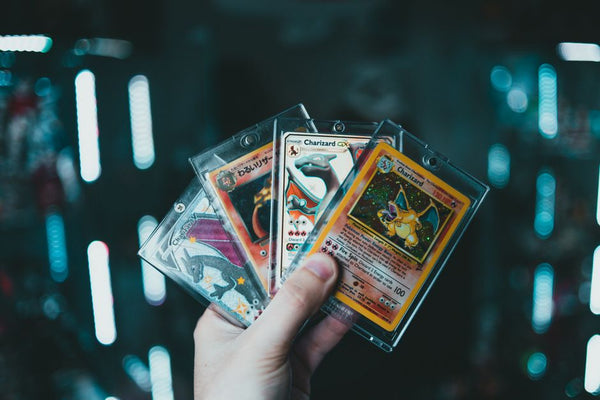
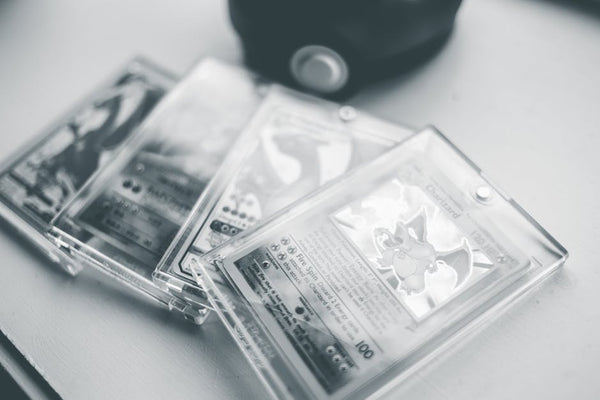
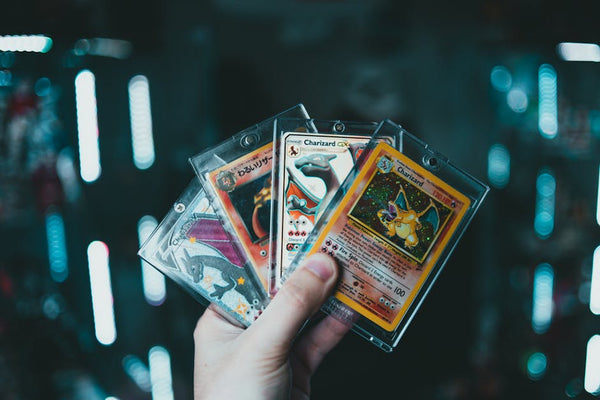
Penny sleeves and toploaders are the bare minimum for any card worth more than $50. But if we're talking serious investment pieces, you need magnetic holders or graded slabs. Period.
Climate control isn't negotiable. Temperature swings and humidity will destroy cardboard faster than a budget motherboard under stress testing. Keep your cards in a consistent environment, ideally 65-70°F with 45-55% humidity.
Light exposure is another killer. UV rays will fade cards over time, especially the older ones with less stable inks. Store valuable cards in darkness or use UV-protective storage solutions.
Where the Pokemon TCG Market is Headed
Honestly, I'm cautiously optimistic about Pokemon cards as long-term investments. The fanbase spans multiple generations now, and Pokemon isn't going anywhere as a franchise. New games, movies, and shows keep introducing the property to fresh audiences.
But we're definitely past the peak speculation phase from 2020-2021. That's actually good news for serious collectors and investors. Prices are more rational now, and you can actually find decent cards without competing against crypto bros with more money than sense.
The Japanese market is something to watch closely. Japanese collectors have always been more sophisticated about card values, and they're starting to influence global pricing more directly through online platforms.
PSA population reports suggest that vintage Pokemon cards in top condition are genuinely scarce, not artificially restricted. As those cards disappear into long-term collections, the remaining high-grade examples should continue appreciating.
Modern cards face headwinds from massive print runs and digital alternatives, but the cream will still rise to the top. Focus on iconic Pokemon, exceptional artwork, and genuine scarcity rather than chasing flavor-of-the-month releases.
The next major catalyst could be Pokemon's 30th anniversary in 2026. If history repeats, we'll see another wave of nostalgia-driven buying that benefits holders of vintage cards. Start positioning now, not when everyone else figures it out.










Leave a Comment