


Magic: The Gathering Final Fantasy Crossover — Is It Worth Your Hard-Earned Cash?
Okay, let's talk about the elephant in the room. MTG Final Fantasy products are everywhere right now, and everyone's asking the same question: should I actually drop my money on this crossover? As someone who's watched countless customers wrestle with this exact decision at TieredUp Tech here in Orange, TX, I've got some thoughts.
Short answer? It depends. Long answer? Well, buckle up.
The Magic: The Gathering Final Fantasy Hype Train
Remember when Universes Beyond first dropped and half the Magic community lost their collective minds? Yeah, we're in similar territory here. The Final Fantasy crossover isn't just another trading card game expansion — it's Wizards of the Coast betting big that nostalgia sells better than original IP these days.
And honestly? They might be right.
I've seen grown adults tear up pulling a Cloud Strife card. Not even kidding. Last week, a regular customer spent twenty minutes explaining why Terra Branford was the most underrated protagonist in gaming history. These cards hit different when they're representing characters you've loved for decades.
But here's where it gets tricky. Are you buying these cards because they're good for your deck, or because you get warm fuzzies seeing Sephiroth in Magic border?
What You're Actually Getting
The Final Fantasy Secret Lair drops aren't your typical booster pack situation. We're talking about premium products with premium price tags. Most of these run between $29.99 and $49.99 for a handful of cards. That's Pokemon TCG territory, and trust me, those numbers add up fast.
The card quality is solid though. Foiling looks clean, art direction is on point, and the flavor text actually references FF lore instead of generic fantasy stuff. Still, you're paying for collectibility more than playability in most cases.
Breaking Down the Value Proposition
Here's where my GameStop background kicks in hard. Value versus price. Two completely different things.
Price? You'll pay anywhere from $30-50 per drop, depending on which characters you're chasing. Some of the Commander decks are pushing $100+ if you want the whole experience. Value? That's trickier math.
Personally, I think the value equation only works if you're either:
- A serious Final Fantasy collector who doesn't care about Magic gameplay
- Someone building a themed casual deck where power level isn't everything
- An investor gambling on long-term appreciation (risky AF, btw)
For competitive players? Ngl, most of these cards aren't format-defining. They're fun, they're flavorful, but they're not going to revolutionize your Modern or Legacy deck anytime soon.
The Real Talk About Secondary Market
Want to know something interesting? The secondary market for these crossover cards is absolutely wild right now. I've watched Magic: The Gathering Singles from previous Universes Beyond releases either tank hard or moon shot with zero middle ground.
Why does this happen? Simple. These cards exist in a weird space between gaming collectibles and actual game pieces. When the hype dies down, you're left holding either a cherished piece of art or expensive cardboard. No in-between.
Who Should Actually Buy This Stuff?
Look, I'm not going to sugarcoat this. If you're struggling to pay rent, maybe skip the $50 Sephiroth drop. I know that sounds obvious, but you'd be surprised how many people I've seen make questionable financial decisions over shiny cardboard.
But if you've got disposable income and Final Fantasy means something to you? Go for it. Life's too short to skip things that bring genuine joy. Just don't convince yourself you're making a smart financial investment.
The Casual Commander Angle
Here's where these cards actually shine. Commander is Magic's most popular format, and it's also the most forgiving for weird card choices. Want to build a deck around Lightning and friends? More power to you.
The thing about Commander is that fun trumps optimization most of the time. That $40 Terra Branford might not be competitively viable, but she'll absolutely be the coolest thing on your battlefield during casual nights.
Hot take: the Final Fantasy crossover cards are perfect for players who treat Magic more like a social experience than a competitive sport. They're conversation starters, art pieces, and nostalgia bombs all rolled into one.
Comparing to Other Card Game Crossovers
This isn't Magic's first rodeo with licensed content, and it definitely won't be the last. Remember the Walking Dead cards? Those were controversial for different reasons, but they taught us something important about crossover longevity.
Some crossovers become beloved classics. Others become expensive mistakes gathering dust in binders. The difference usually comes down to how well the source material ages and whether the cards see actual play.
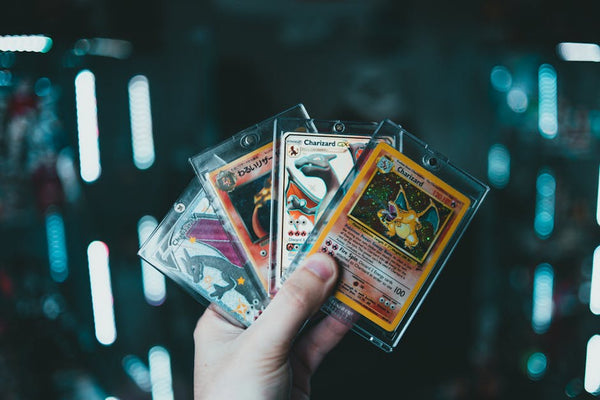
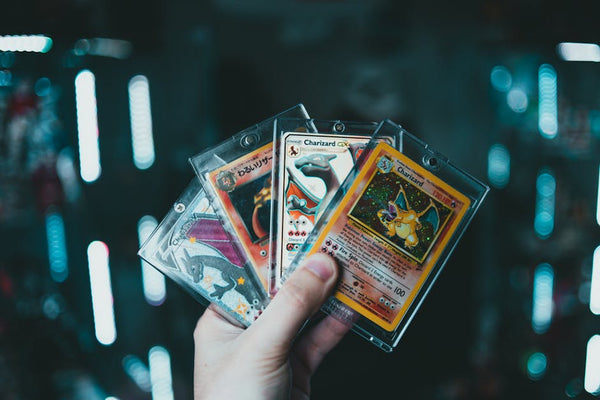
Pokemon TCG has been doing crossovers and special sets for years, and their track record is mixed at best. Some cards hold value, others don't. Magic's crossovers are following similar patterns so far.
The Timing Question
Should you buy now or wait? Honestly, I'm torn on this one. FOMO is real with limited print runs, but so is buyer's remorse when you realize you spent grocery money on cardboard celebrities.
If you're purely looking at this from a financial angle, waiting usually pays off. Prices tend to settle down after the initial hype cycle. But if you want specific cards for actual play or personal collection? Don't wait too long. These aren't going to be reprinted anytime soon.
The Bottom Line Reality Check
Here's the thing nobody wants to say out loud: most of these Final Fantasy Magic cards are overpriced for what they actually do in-game. You're paying a premium for licensed art and nostalgia factor. That's not necessarily bad, but it's important to be honest about what you're buying.
Think of it like buying a limited edition gaming console. You're not getting better performance, you're getting exclusivity and aesthetic appeal. Same deal here.
The smartest approach? Set a budget before you start looking at spoilers. Decide how much you're comfortable spending on "fun money" and stick to it. Don't justify overspending by telling yourself these are investments or that you need them for competitive play.
At the end of the day, Magic: The Gathering and Final Fantasy are both hobbies that should bring joy, not financial stress. If buying a few crossover cards enhances your gaming experience without breaking your budget, go for it. Just don't expect them to pay for themselves down the road.
The Final Fantasy crossover is exactly what it appears to be: expensive fan service with gorgeous art and questionable long-term value. Whether that's worth it depends entirely on how much Final Fantasy means to you and how thick your wallet is feeling this month.
















Leave a Comment