


Yu-Gi-Oh Voice Actor Sues TikTok Over AI Voice Theft: What This Means for Trading Card Game Culture
Remember when your biggest worry about TikTok was accidentally scrolling for three hours instead of getting that article deadline finished? Yeah, those days feel quaint now. The platform that's turned everyone into content creators is facing a lawsuit that hits way too close to home for anyone who's ever loved a trading card game.
A Yu-Gi-Oh voice actor is taking TikTok to court over AI voice clones. And honestly? It's about time someone drew a line in the sand.
The Voice Behind the Cards Gets Ripped Off
Here's what's going down. The voice actor claims TikTok's AI voice feature straight-up copied their vocal patterns without permission or payment. We're talking about someone who brought life to characters that defined childhoods, whose voice you probably still hear when you think about dramatic card reveals.
But here's where it gets wild — this isn't just about one person's voice getting jacked. This is about an entire ecosystem built on stealing creative work and repackaging it as "innovation."
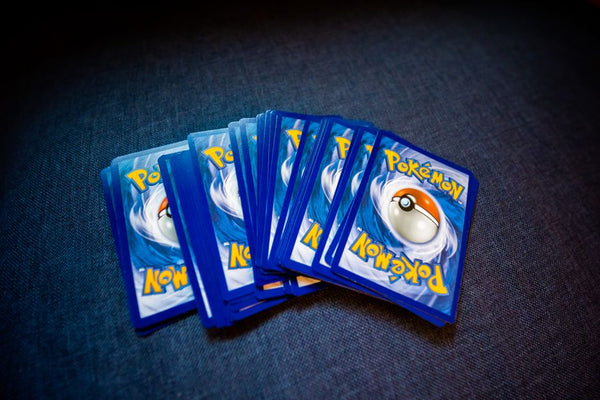
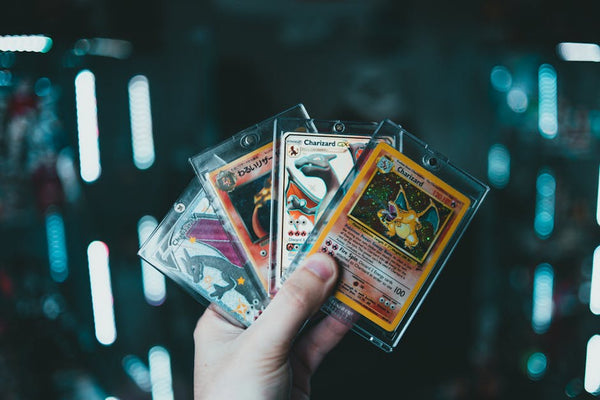
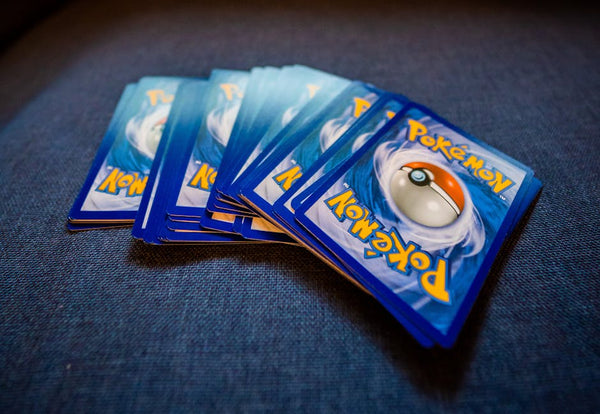
When I was at our shop in Orange, TX last week, a kid came in asking about Pokemon TCG cards while showing me TikToks with voices that sounded eerily familiar. That's when this whole situation really clicked for me. These AI voices aren't just random computer-generated sounds. They're digital ghosts of real people's work.
Why This Lawsuit Actually Matters
Look, I've seen enough sketchy business practices in my GameStop days to know when something smells fishy. Companies love to hide behind technical jargon and claim they're not stealing — they're "sampling" or "training algorithms." Please. That's like saying I'm not pirating a game, I'm conducting "user experience research."
Personally, I think this lawsuit exposes something way bigger than TikTok's voice feature. We're watching the entertainment industry get carved up by AI, and nobody's asking the creators if they're cool with it.
The voice acting world for trading card games and anime has always been this tight-knit community where talent actually mattered. These aren't Hollywood A-listers with teams of lawyers. They're passionate performers who made card game characters feel real. And now their voices are getting harvested like digital crops.
The Trading Card Game Connection You Might Not See
Why should card game fans care about voice actor lawsuits? Because this stuff trickles down fast.
Think about how Pokemon TCG promotional videos work. Or Yu-Gi-Oh tournament coverage. Hell, even those unboxing videos that get you hyped about new sets. Voice work is everywhere in our hobby, and if AI can just clone anyone's voice, what happens to the people who make our content special?
I remember helping this customer build a streaming PC specifically for Pokemon TCG content creation. Dude was so passionate about bringing his own personality to pack openings and deck analysis. But what's the point of developing your unique voice when some algorithm can just... take it?
The Bigger Picture Gets Messy
Here's where I'm genuinely torn, though. TikTok's AI voices do help creators who can't afford voice actors or have speech difficulties. That's actually pretty cool, right? But there's gotta be a way to do that without straight-up stealing from working performers.
Hot take: The real villains here aren't the individual TikTokers using AI voices. They're just working with the tools they're given. It's the platforms that build these features without considering who gets hurt in the process.
What This Means for Card Game Content
The lawsuit could change how content gets made in the trading card game space. Think about it — if voice cloning becomes regulated, what happens to all those fan dubs of Japanese Pokemon commercials? What about AI-generated tournament commentary?
TikTok's response has been pretty much what you'd expect: legal mumbo jumbo about fair use and innovation. They're claiming their AI voices are transformative enough to avoid copyright issues. But transformative for who? The billion-dollar tech company or the voice actor who can't pay rent?
We're seeing similar battles everywhere. Artists fighting AI art generators. Musicians dealing with AI composition tools. Voice actors are just the latest group getting squeezed by the "move fast and break things" mentality.
The Human Cost of Digital "Progress"
What really gets me is how disconnected this whole situation feels from actual human creativity. Voice acting isn't just about making sounds — it's about bringing emotion and personality to characters. When you hear Pikachu say "Pika pika," that's not just audio data. That's someone understanding the character deeply enough to make you feel something.
Can AI replicate that? Maybe technically. But should it? That's the question this lawsuit is really asking.
The timing couldn't be worse for creative professionals either. Everyone's already dealing with streaming revenue getting squeezed, physical media sales dropping, and now AI is coming for their voices too. It's like watching the creative economy get picked apart piece by piece.
Whether this case succeeds or fails, it's forcing conversations that were long overdue. Maybe we'll finally get some real protections for creative workers. Maybe platforms will have to actually compensate people whose work they're using to train their algorithms.
Or maybe TikTok will just settle out of court and keep doing exactly what they're doing. Time to find out if our legal system can keep up with Silicon Valley's appetite for other people's work. The voice actors are fighting back — now we just need to see if anyone's listening.
Looking for the right setup? Check out Build your custom gaming PC with BitCrate — built right here in Orange, TX.









Leave a Comment