


Pokemon TCG Investing: Which Cards Actually Hold Their Value Long-Term
Look, I'm gonna be real with you. Everyone and their brother thinks they're gonna strike it rich buying Pokemon cards after watching some YouTube influencer pull a $6,000 Charizard. But here's the thing - most people are absolutely terrible at picking which Pokemon TCG cards will actually maintain value over time.
I've been watching this market for years. Built plenty of rigs for TCG streamers who think they know everything about card investing. Spoiler alert: half of them don't.
The Brutal Reality of Pokemon TCG Card Values
Here's what nobody wants to tell you about trading card game investing - it's not guaranteed money. At all. Remember when everyone was buying Evolving Skies booster boxes for $200+ thinking they'd hit $500? Yeah, those same boxes are selling for like $120 now. Ouch.
The Pokemon card market follows some predictable patterns, but it's also influenced by nostalgia cycles, competitive play meta shifts, and honestly? Pure hype. You can't just buy random modern cards and expect them to moon.
But some cards genuinely do hold value. Let me break down what actually works versus the BS marketing you see everywhere.
Base Set Cards: The Blue Chips of Pokemon Investing
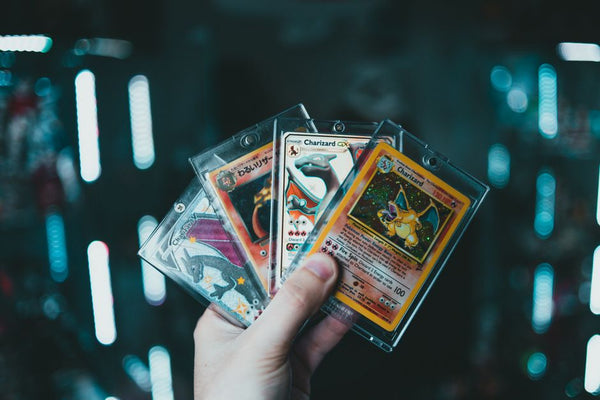
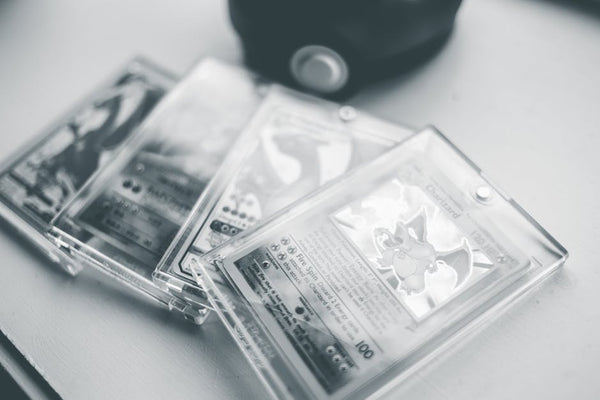
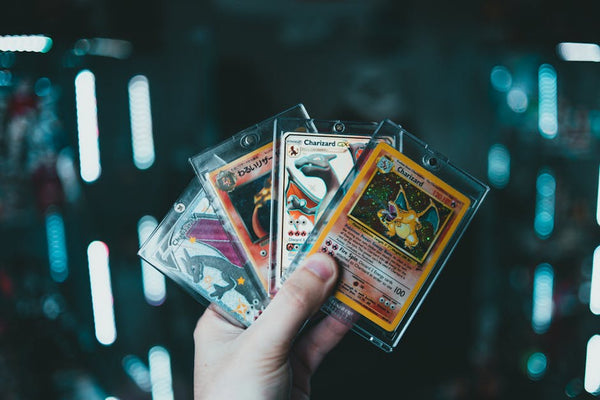
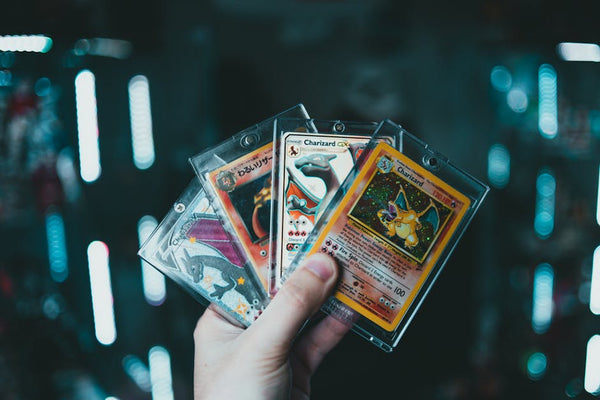
Personally, I think Base Set cards are still the safest bet in the Pokemon TCG space. Yeah, they're expensive upfront, but they've proven themselves over 25+ years. A PSA 9 Base Set Charizard was going for $6,000 in 2020, hit $50,000+ during the pandemic peak, and now sits around $15,000-20,000. Still up massively from where it started.
Base Set Blastoise and Venusaur follow similar patterns. Not as dramatic, but solid steady growth. These aren't get-rich-quick plays - they're long-term holds that benefit from pure nostalgia.
But here's the catch. Condition is everything. A PSA 6 Base Set Charizard might be worth $2,000 while a PSA 10 hits $300,000+. The grading game is brutal, and you better know what you're doing before dropping serious cash.
Why Base Set Works
Simple math, bro. There's a finite supply that gets smaller every year as cards get damaged or lost. Meanwhile, millennials who grew up with Pokemon are hitting their peak earning years. Supply down, demand up, prices go brrr.
Plus, Base Set has mainstream recognition. Your mom knows what a Charizard is. She doesn't know what a "Pikachu VMAX Rainbow Rare" is, and that matters for long-term value.
Modern Cards: Separating the Wheat from the Chaff
Hot take: most modern Pokemon cards are trash investments. The print runs are massive compared to vintage sets, and there's way too many different versions of everything. Secret rare this, alternate art that, rainbow foil whatever. It's exhausting.
That said, some modern stuff does hold value. You just gotta be smart about it.
The 25th Anniversary Classic Collection Charizard? Solid pick. Limited print, premium product, appeals to collectors. Same with certain Japanese exclusives that never got English releases.
But those $300 Moonbreon alt arts from Evolving Skies? Honestly, I'm not convinced they stay at current prices. Cool card, don't get me wrong, but it's not iconic enough to command Base Set money forever.
The Competitive Play Factor
Here's something most investors miss - competitive viability matters for short-term prices but kills long-term value. When a card rotates out of Standard format, its price usually tanks hard. Look at what happened to most Tag Team GX cards after rotation.
Exception: cards that become iconic in competitive play can maintain value through nostalgia. Think Luxray GL LV.X or certain older tournament-defining cards.
Japanese vs English: Which Language Wins?
This one's genuinely tricky. Japanese cards often have lower print runs and different artwork, making them appealing to collectors. But English has broader market appeal in the US.
Generally speaking, Japanese vintage wins for rarity, English vintage wins for liquidity. For modern cards, it depends on the specific release. Some Japanese promos are absolute fire, while others are basically worthless.
Pro tip: if you're buying Japanese cards, make sure you understand the release context. Was it a tournament prize? Convenience store exclusive? Random booster pack common? Makes a huge difference in long-term prospects.
Grading: The Make-or-Break Factor
Let's talk about the elephant in the room - PSA grading. It's simultaneously the best and worst thing to happen to card investing.
Best because it creates clear condition standards and protects valuable cards. Worst because it's expensive, slow, and sometimes inconsistent. I've seen cards that should be PSA 9s get 8s, and vice versa.
But here's the thing - for any card worth more than $100, you probably should get it graded. The premium for high-grade copies is insane. We're talking 5x-10x price differences between a PSA 8 and PSA 10 on many cards.
A raw Near Mint Base Set Charizard might sell for $1,500. That same card as a PSA 9 hits $15,000. PSA 10? Sky's the limit.
Just don't expect quick turnarounds unless you pay premium service fees. Standard grading can take 6+ months right now.
Red Flags: Cards That Won't Hold Value
Alright, time for some real talk. These types of cards are usually terrible investments:
- Anything with massive print runs (most modern set cards)
- Cards only valuable due to current competitive play
- Reprinted cards unless it's the original version
- Damaged or heavily played vintage cards
- Modern full art trainers (sorry, they're just not that special)
Also, be super careful about "investing" in sealed product. Booster boxes can hold value, but they can also get reprinted into the ground. Pokemon's been pretty good about not doing unlimited reprints lately, but it's always a risk.
What Actually Works: My Investment Thesis
After watching this market for years and helping customers at our shop here in Orange, TX figure out which cards to chase, here's my honest assessment:
Stick to iconic Pokemon in high grades. Charizard, Pikachu, maybe the other Gen 1 starters. Focus on first appearances and milestone sets. Base Set, Neo Genesis, maybe Expedition if you're feeling spicy.
For modern stuff, target limited releases with actual scarcity. Tournament prizes, special promos, maybe some of the higher-end Japanese exclusives. But don't expect modern cards to replicate vintage gains.
Most importantly - only invest money you can afford to lose. This isn't the stock market, it's collectibles. Prices can be irrational and volatile as hell.
The Future Outlook
Where's the Pokemon TCG market heading? Honestly, I think we're in for some consolidation after the pandemic craziness. Prices probably won't crash back to 2019 levels, but the days of everything going 10x overnight are probably over.
The real question is whether Pokemon maintains cultural relevance for the next generation. So far so good - the franchise keeps reinventing itself and finding new audiences. That bodes well for long-term card values.
But remember, card investing isn't about quick flips. It's about identifying pieces of gaming history that will matter to collectors 10, 20, 30 years from now. Buy the cards you'd want to own regardless of price appreciation, because that passion usually translates to better investment decisions anyway.
Now stop reading articles about card investing and go actually buy some Pokemon cards if you're serious about this. Market research only goes so far - you need skin in the game to really understand how this stuff works.










Leave a Comment