


Pokemon TCG Investing: Which Cards Actually Hold Their Value (And Which Don't)
Look, I've built over 50 gaming PCs and I've seen plenty of people drop serious cash on hardware that becomes worthless in three years. Pokemon TCG investing isn't that different, bro. You've got cards hitting $400k at auction and others that barely cover shipping costs on eBay. The market's absolutely wild right now.
After watching customers at our shop in Orange, TX argue over whether to buy another GPU or invest in cardboard rectangles, I figured it's time to break down which Pokemon cards actually hold value. Spoiler alert: it's not always the ones you think.
Base Set Cards: The RTX 4090 of Pokemon TCG
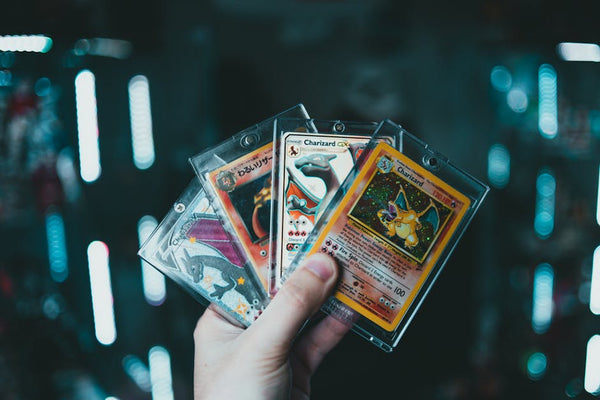
First Edition Base Set Charizard. Everyone knows this card.
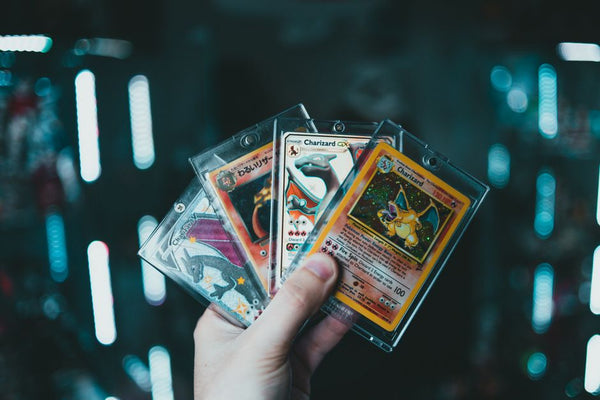
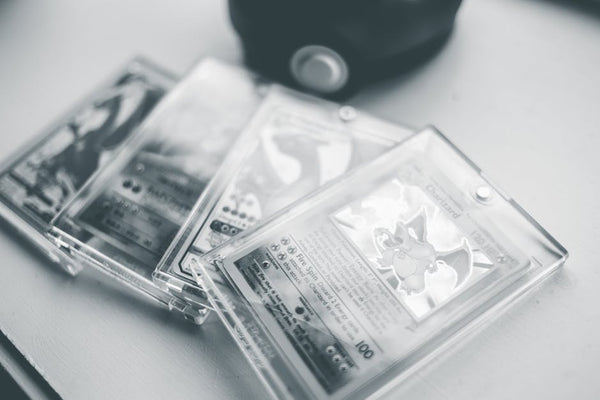
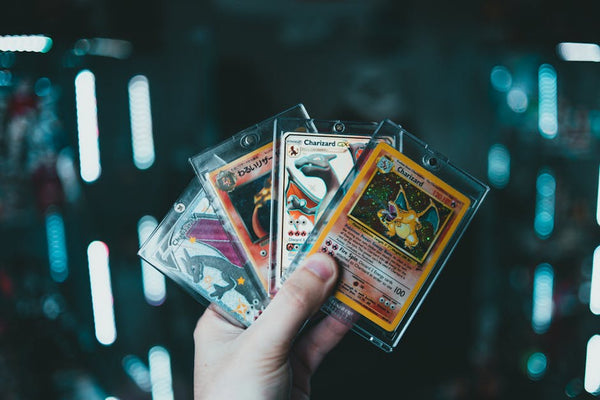
PSA 10 copies are selling for $350,000+. That's genuinely insane money for a piece of cardboard from 1998. But here's the thing – this card earned its reputation. It's the flagship Pokemon, from the first English set, with that iconic artwork that screams nostalgia.
The Base Set Shadowless cards are your blue-chip investments. Charizard, Blastoise, Venusaur – these three consistently appreciate faster than my RTX 3080 depreciated. Even PSA 8 copies of Shadowless Charizard are hitting $15,000-20,000. That's more stable than crypto, ngl.
But don't sleep on the other Base Set holos either. Personally, I think Chansey and Magneton are undervalued at current prices. Nobody talks about them, but they're from the same iconic set. Supply is just as limited.
Why Base Set Works
Recognition factor is everything. When someone who hasn't touched Pokemon in 20 years sees Base Set Charizard, they immediately understand its significance. It's like showing someone a 1080 Ti – they might not know current specs, but they know that card was legendary.
Plus, the print quality was honestly pretty terrible back then. Finding high-grade copies is genuinely difficult, which keeps PSA 9+ prices astronomical.
Japanese Cards: The Enthusiast's Choice
Japanese Pokemon TCG cards are where things get interesting for serious collectors. The print runs were smaller, quality control was better, and some cards never got English releases.
Trophy cards are the holy grail here. Pikachu Illustrator sold for $5.275 million in 2022. That's not a typo. One card. Five million dollars. The population is under 50 copies worldwide, and it's basically the 2080 Ti Kingpin of trading card games – extremely limited, insane performance, stupid expensive.
Japanese Neo Genesis cards also hold value incredibly well. The artwork hits different, and condition sensitivity isn't as brutal as English cards from that era. Lugia and Ho-Oh from Neo Genesis are consistently $2,000+ in PSA 10.
The McDonald's Problem
Here's where I'll be controversial: most modern promotional cards are trash investments. McDonald's promos, Pokemon Center exclusives, most of the special delivery cards – they print millions of these things. Supply is massive.
Sure, a PSA 10 McDonald's Pikachu might hit $200 right now. But when thousands more get graded over the next five years? That price isn't holding. It's like buying a 1660 Super in 2023 – technically functional, but the market's moved on.
Modern Sets: Where Pokemon TCG Investing Gets Tricky
Modern Pokemon cards are a minefield. Print runs are massive, quality control is better (making high grades easier), and honestly, most cards from 2019+ are overpriced speculation bubbles.
That said, some modern cards genuinely deserve attention. Alt art cards from recent sets are beautiful, and certain ones have staying power. Umbreon VMAX alternate art from Evolving Skies consistently sells for $300+ raw. The artwork is genuinely stunning.
Hot take: most Charizard variants from modern sets are terrible investments. They print special Charizard cards constantly now. It's like Intel releasing seventeen different i7 variants – dilutes the brand value.
The Logan Paul Effect
Celebrity involvement inflated prices across the board in 2020-2021. Logan Paul dropping $6 million on cards brought mainstream attention, but also attracted speculators who don't actually understand the trading card game market.
Prices corrected hard in 2022-2023. Cards that hit $500 during peak hype are back to $100-150. The market's stabilizing, but you've still got people convinced their Vivid Voltage booster box is retirement money.
What Actually Drives Pokemon TCG Value
Scarcity isn't everything, bro. Plenty of rare cards are worthless because nobody wants them. Value comes from the intersection of rarity, condition sensitivity, iconic status, and genuine demand.
Charizard works because it's the face of the franchise. Pikachu cards work for the same reason. Random holos from forgotten sets? Not so much, even if they're technically rarer.
The best Pokemon investments share three traits: iconic Pokemon, limited print runs, and brutal condition sensitivity that keeps high-grade populations low.
Condition matters more in Pokemon than almost any other TCG. A PSA 9 Base Set Charizard might be worth $8,000 while a PSA 10 hits $20,000. That's not normal market behavior – that's collectibility driving premiums for perfection.
Grading: The Necessary Evil
PSA and BGS grading completely changed Pokemon investing. Raw cards are basically worthless for serious money unless they're obviously pristine. The authentication and condition guarantee that grading provides is essential.
But grading costs add up fast. $50+ per card for standard service, months of waiting, and no guarantee you'll get the grade you want. I've seen people submit $100 cards hoping for PSA 10 and get back PSA 7s worth $30.
Cards to Actually Avoid
Unlimited Base Set cards. Just don't. The prices seem tempting compared to First Edition, but they printed unlimited for years. Population is massive and they lack the prestige factor.
Most cards from 2016-2019 XY/Sun & Moon era are mid at best. Print runs were huge, artwork was generally uninspiring, and the sets haven't developed collector followings yet. Maybe in another decade, but not now.
Fake cards obviously, but you'd be surprised how many people get burned. If someone's selling Base Set Charizard for $500 on Facebook Marketplace, it's not real. Trust me.
The Real Talk on Pokemon TCG Investing
Here's the thing nobody wants to admit: Pokemon card investing requires genuine knowledge of the market, significant capital, and honestly, some luck with timing. It's not a get-rich-quick scheme.
You're competing against people who've collected for decades, understand print runs and population reports, and have relationships with major dealers. Walking into Pokemon TCG investing without research is like trying to build a PC without knowing what a motherboard does.
But if you've got disposable income and genuine interest in the hobby? Base Set holos, Japanese vintage cards, and select modern alt arts aren't terrible places to park some cash. Just don't bet your rent money on cardboard.
The Pokemon TCG market isn't going anywhere. New generations discover these cards constantly, supply of vintage stuff obviously can't increase, and the nostalgia factor only gets stronger as millennials hit peak earning years. Whether individual cards appreciate 10% or 1000% over the next decade? That's the million-dollar question nobody can answer with certainty.







Leave a Comment