


Trading Card Inspector Hits Steam: Everything You Need to Know About This TCG Gaming Revolution
Steam's newest trading card game just dropped and it's already turning heads. Trading Card Inspector launched with a solid 30% discount, and honestly? This isn't your typical Pokemon TCG clone that gets forgotten after a week.
I've been grinding this game since early access, and there's something different here. The devs actually understand what makes card games tick beyond flashy animations and microtransactions.
What Makes Trading Card Inspector Different
First things first - this isn't another Hearthstone wannabe. Trading Card Inspector focuses on the actual inspection and authentication of trading cards, which sounds boring until you realize how deep the rabbit hole goes.
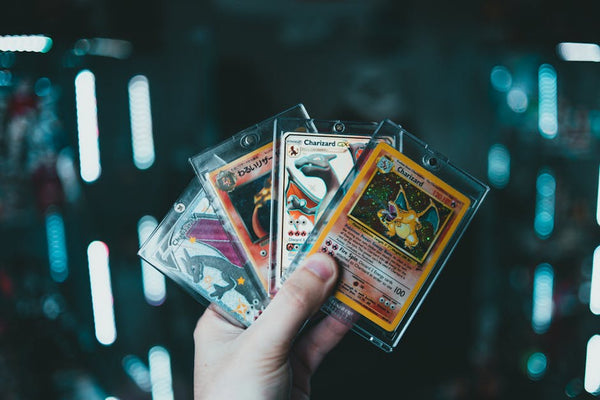
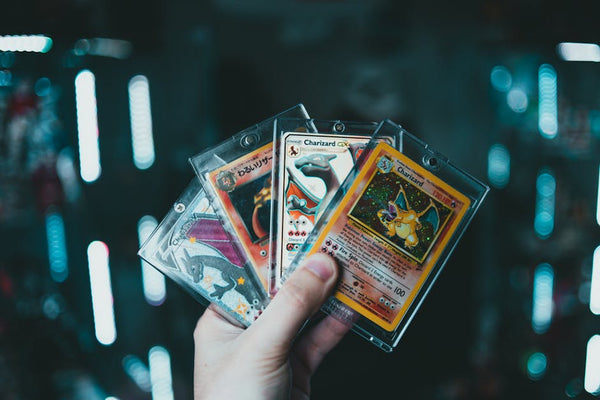
The core gameplay loop? You're running a card authentication business. Customers bring you rare cards - everything from vintage Pokemon to modern MTG - and you've got to spot fakes, assess condition, and determine market value. Think Papers Please meets trading card expertise.
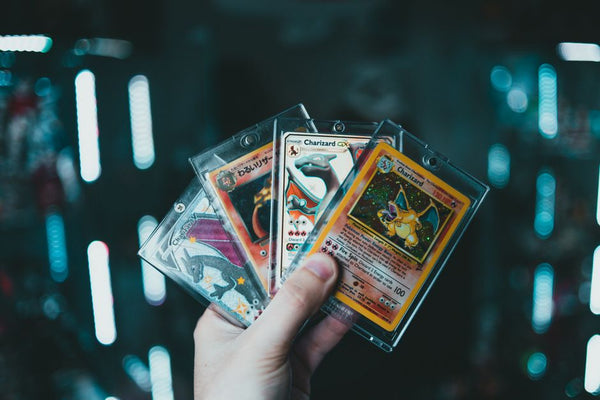
But here's where it gets spicy. The game uses real market data. When someone brings you a 1998 Charizard, you're dealing with actual price fluctuations and rarity metrics. The devs partnered with TCG pricing databases to make this legit.
The Learning Curve Is Real
Ngl, this game doesn't hold your hand. You'll need to learn actual card grading techniques, spot printing errors, and understand different card series. It's like Pokemon TCG bootcamp but actually fun.
I spent three hours yesterday trying to identify a fake Shadowless Blastoise. The detail work required is insane - checking font spacing, holographic patterns, even card stock thickness. When I finally caught the tell (wrong copyright date), the satisfaction hit harder than landing a headshot in Valorant.
Performance and Hardware Requirements
Here's the good news for budget builders. Trading Card Inspector isn't demanding hardware-wise. I'm running it smooth on a GTX 1060 with zero frame drops. The game prioritizes image quality and detail over flashy effects, which makes sense given the gameplay focus.
System requirements are surprisingly reasonable:
- CPU: Intel i5-4570 or AMD equivalent
- GPU: GTX 960 or RX 570
- RAM: 8GB (though 16GB helps with loading times)
- Storage: 25GB
The real performance factor? Your monitor. You'll want something with good color accuracy for spotting printing variations. That cheap TN panel might actually hurt your gameplay here.
Pro tip: Turn on the magnification assistance in settings. It highlights subtle details that separate authentic cards from clever fakes.
Loading Times and Optimization
Game loads fast. Really fast. Even on a traditional HDD, you're looking at maybe 15-20 seconds between sessions. The devs clearly optimized for quick restarts since you'll be replaying scenarios to master different card types.
No stutters, no crashes in my 20+ hours so far. Solid optimization work that puts some AAA releases to shame.
Content Depth and Replayability
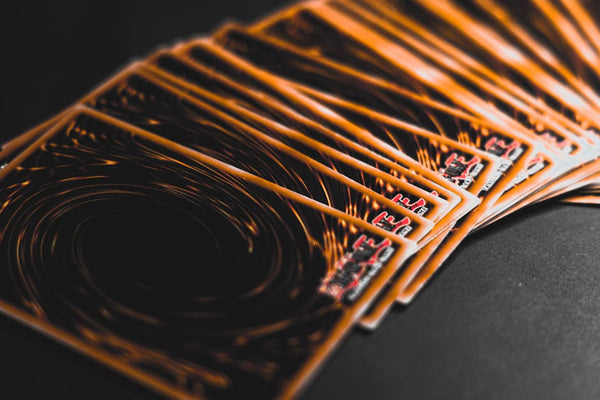
This is where Trading Card Inspector really shines. The campaign mode teaches you fundamentals across different trading card game categories - not just Pokemon TCG, but Magic, Yu-Gi-Oh, sports cards, even some obscure Japanese sets I'd never heard of.
Each customer interaction feels unique. One brings you a potentially rare rookie card with questionable authenticity. Another has a collection inherited from their grandfather. The storytelling happens through these encounters rather than cutscenes.
But honestly? The endless mode is where I'm spending most of my time. Random cards, random conditions, random customers with different knowledge levels. Some try to pass off obvious fakes. Others genuinely don't know what they have.
The Educational Factor
Hot take: this game actually makes you better at real card evaluation. The techniques transfer directly to physical cards. I've been helping customers at our shop here in Orange, TX authenticate their Pokemon collections, and the pattern recognition skills from this game genuinely help.
You learn to spot recolored artwork, wrong texture patterns, even subtle size differences. It's like having a trading card game expert teaching you through hands-on experience.
Multiplayer and Competitive Elements
The multiplayer mode drops you into timed authentication challenges against other players. Who can correctly identify the most fakes in five minutes? It's surprisingly intense.
Ranked mode exists but feels secondary to the core experience. The real competition comes from accuracy percentages and speed times rather than traditional PvP combat.
Community features include sharing tricky authentication cases. Players upload difficult examples for others to practice on. The community-generated content already rivals the base game scenarios.
Monetization and DLC Plans
Here's where I'm cautiously optimistic. The base game includes hundreds of card types across multiple franchises. No pay-to-win mechanics or energy systems that limit play time.
Planned DLC focuses on new card series and authentication techniques rather than consumable purchases. First expansion covers vintage sports cards and costs $5. Reasonable pricing that respects your wallet.
Personally, I think this approach will determine the game's long-term success. Trading card game enthusiasts hate predatory monetization more than most gaming communities.
The Steam Sale Opportunity
That 30% launch discount brings the price down to $13.99. For a game with this much educational value and replay potential? That's a steal. Even if you're not deep into trading card games, the detective-style gameplay holds up on its own merits.
Sale runs through next week, so you've got time to decide. But tbh, I'd grab it now before word spreads and the price jumps back up.
Room for Improvement
Not everything's perfect though. The tutorial could be clearer about advanced authentication techniques. I'm still figuring out some of the Japanese card authentication markers through trial and error.
UI could use some polish too. Menu navigation feels clunky compared to the smooth gameplay. Nothing game-breaking, but noticeable when you're switching between different card databases quickly.
The biggest question mark? Long-term content updates. Will the devs keep adding new card series as they release? The foundation is solid, but this type of game lives or dies on fresh content.
Worth Your Time and Money?
If you're into Pokemon TCG or any trading card scene, this is a no-brainer purchase. The skills transfer to real-world applications, and the gameplay stays engaging longer than expected.
For general gamers? Depends on your tolerance for methodical, detail-oriented gameplay. This isn't an adrenaline rush like Counter-Strike. It's more like a really good puzzle game with practical applications.
The 30% discount makes it worth trying regardless. Worst case scenario, you're out $14 and maybe learn something about card authentication. Best case? You've found your new obsession that actually makes you money identifying valuable cards.
Trading Card Inspector proves that niche simulation games still have a place in gaming. Sometimes the most unexpected concepts create the most engaging experiences. Just don't blame me when you start eyeing every trading card collection you see with newfound expertise.
Looking for the right setup? Check out Pokemon TCG at TieredUp Tech — built right here in Orange, TX.









































Leave a Comment