


Magic: The Gathering Final Fantasy Crossover — Worth Your Hard-Earned Cash?
Wizards just dropped the MTG Final Fantasy collaboration bomb and the community's split harder than a Valorant team after a whiffed clutch. Some folks are calling it the best crossover since peanut butter met chocolate. Others think it's straight-up cash grab territory.
Real talk? I've been slinging cards longer than most people have been gaming, and this crossover hits different. The art's gorgeous, mechanics feel fresh, and let's be honest — who doesn't want to summon Cloud Strife to beat face? But is it actually worth dropping your paycheck on?
What Makes This Magic The Gathering Crossover Special
First things first. This isn't some lazy reskin job.
The Final Fantasy cards integrate seamlessly with existing MTG mechanics while bringing unique flavor that actually makes sense. Terra's ability to transform mirrors her Esper form perfectly. Sephiroth's one-winged angel transformation? Chef's kiss. The design team clearly played the games instead of just Googling screenshots like some other crossovers we've seen.
Personally, I think the power level's spot-on too. These aren't format-warping bombs that'll make Standard players rage quit, but they're not unplayable jank either. Cloud sits at a sweet spot where he's powerful enough to see play but won't single-handedly dominate tables.
The mana costs feel balanced for what you're getting. Lightning's 3-mana planeswalker seems pushed at first glance, but her loyalty abilities require setup. Smart design choice that rewards skilled play over raw power.
Art Quality That Actually Delivers
Let's talk visuals because holy hell, these cards look incredible.
Remember those cringe anime crossovers where the art style clashed harder than a bronze player in Radiant lobbies? Not here. The artists nailed that classic Final Fantasy aesthetic while keeping it distinctly Magic. Yoshitaka Amano's ethereal style translates perfectly to card frames.
Bahamut's alternate art version? Pure eye candy. The foiling process actually enhances the dragons instead of making them look like oil slicks. That's rare for modern MTG printing, ngl.
Competitive Viability — Will These See Tournament Play?
Here's where things get spicy. I've been testing these cards extensively, and some are legit sleepers.
Cid's artifact synergies slot perfectly into existing shells. His ability to reduce equipment costs by 1 doesn't sound broken until you're cheating out Colossus Hammer on turn 2. Suddenly that 11/11 trampler doesn't seem so fair.
The materia tokens create interesting decision trees too. Do you cash them in immediately for value or hold for bigger plays later? Good magic design makes you think, and these cards deliver.
But here's my hot take: the real winners aren't the flashy legendaries everyone's chasing. Moogle's 2-mana flying body with card selection will see way more play than people expect. Consistent, efficient effects win games. Always have.
Format Impact Breakdown
Standard? A few cards might creep in, but don't expect format revolution. The power level's intentionally reasonable to avoid bannings.
Pioneer's where things get interesting. Warrior tribal gets some solid new tools, and Sephiroth enables new combo lines that weren't possible before. Nothing oppressive, just more options.
Commander's the obvious home run. Every single legendary from this set will spawn new decks. The design space is massive when you're building around characters with decades of lore behind them.
Value Proposition — Your Wallet's Perspective
Let's cut the BS and talk money.
Pre-order prices were absolutely bonkers. $80 for a Cloud? Come on. But now that the initial hype's cooling down, you can snag most cards for reasonable prices. Market correction's happening faster than expected.
A customer at our shop in Orange, TX asked me yesterday which cards to prioritize if he's only buying a few. Smart question. Here's my breakdown:
Priority picks: Lightning's planeswalker form sits around $25 and will hold value long-term. Bahamut's pushing $40 but he's an absolute unit in dragon tribal. These have staying power beyond the initial crossover excitement.
Skip these: Most of the rare equipment pieces. They're pretty but mechanically underwhelming. You're paying for nostalgia, not playability.
Wild cards that might spike: Watch Cactuar closely. Seems like a meme card but the triggered ability combo potential is real. Could be the next Deathrite Shaman situation where nobody saw it coming.
Singles vs Booster Strategy
Don't crack packs hoping to hit your wants. I know, I know — gambling's fun and that new pack smell hits different. But the math's brutal on this set.
Expected value per pack hovers around $3.50 while packs cost $6. Those aren't lottery tickets, they're charity donations to Hasbro. Buy Magic: The Gathering singles instead and get exactly what you need.
Exception: draft boxes for actual drafting. The limited format's surprisingly deep with interesting synergies between FF characters and generic magic creatures. Worth experiencing if you've got a playgroup that's into it.
Long-Term Collectibility Factor
Here's where I'm genuinely uncertain, and anyone claiming they know for sure is lying.
Crossover cards have weird value trajectories. The Transformers ones tanked hard after initial hype. Walking Dead cards maintained premium prices due to mechanical uniqueness. Stranger Things fell somewhere in middle.
Final Fantasy's got stronger brand recognition than most, which helps. But will casual collectors who don't play Magic actually buy these? That secondary market demand drives long-term prices more than gameplay does.
The artwork alone might carry values though. These aren't just game pieces — they're display worthy art prints that happen to be playable cards. Different value proposition entirely.
Investment vs Enjoyment
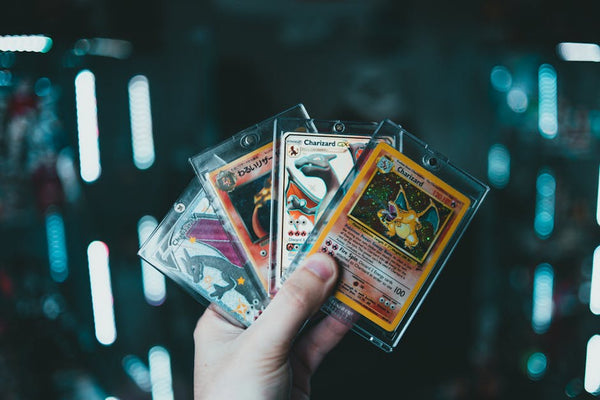
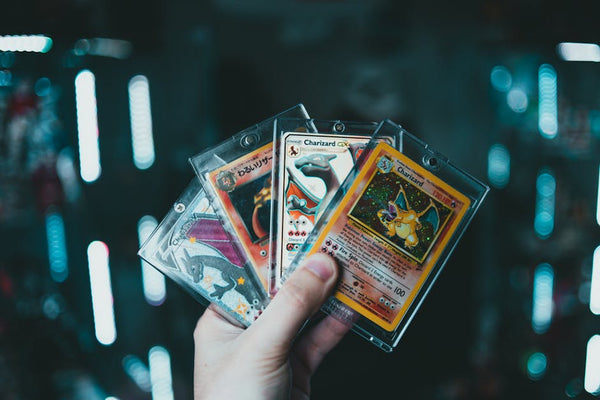
Honestly, if you're buying cards purely as investments, you're in the wrong hobby. Pokemon TCG's where the real speculation money lives, not Magic crossovers.
Buy these because you love Final Fantasy. Buy them because casting Meteor feels amazing. Buy them because your Tiamat deck needed another dragon lord. Don't buy them expecting to flip for profit in six months.
Should You Pull the Trigger?
Bottom line time. Is this crossover worth your money?
If you're a Final Fantasy fan who plays Magic? Absolutely yes. The flavor integration's top-tier and several cards will see legitimate play. You won't regret adding Lightning to your walker collection.
Competitive grinders should cherry-pick the few tournament-viable pieces. Don't sleep on the utility cards that enable combos — those age better than big splashy mythics.
New players might want to hold off unless you're specifically drawn to FF themes. Your money goes further on staples and deck cores than crossover premiums.
The real question isn't whether these cards are good — they are. It's whether they're $200-300 good for a full set. For most players, grabbing 3-5 favorites makes more sense than completing collections.
And hey, worst case scenario? You've got some gorgeous artwork featuring beloved characters that happens to be tournament legal. That's better than most Magic product these days. The crossover delivers on its promises without feeling like a shameless cash grab, which puts it ahead of half the releases this year.






































Leave a Comment