


Yu-Gi-Oh Meta Decks Worth Building Right Now: No BS Guide to Dominating Locals
Look, I've been watching the Yu-Gi-Oh meta shift faster than RAM prices during a shortage, and honestly? We're in one of the most interesting formats I've seen in years. Whether you're grinding locals or preparing for regionals, building the right meta deck right now isn't just about copying whatever topped the last YCS — it's about understanding what actually works in your meta and what's going to survive the next banlist.
Personally, I think too many players get caught up in the "tier 0" mentality without actually testing these decks. Sure, Snake-Eye dominates tournament results, but have you actually played 20 matches with it? Can you pilot it consistently? These are the questions that matter more than whatever deck topped last weekend.
Snake-Eye Fire King: The Undisputed King
Let's get this out of the way. Snake-Eye Fire King isn't just good — it's genuinely oppressive in the right hands. The deck's consistency is absolutely insane, and the Diabellstar package gives you so many lines of play that your opponent basically needs to open multiple handtraps to stop you.
The core combo pieces — Snake-Eye Ash, Snake-Eye Oak, and the Fire King package — create this disgusting engine that generates advantage while setting up interruptions. You're looking at around $400-600 for a competitive build, depending on how many Bonfire you can snag and whether you're running the full Diabellstar suite.
What makes this deck genuinely busted? The grind game. Most decks fold to one board wipe, but Snake-Eye just keeps coming back. I watched a player at locals go through three Raigeki-level board wipes and still win because the recursion is that good.
Budget Snake-Eye Builds
Now, before you close this tab because you don't want to drop $500 on cardboard, hear me out. You can build a functional Snake-Eye variant for around $200-250 if you're smart about it. Skip the Diabellstar package initially, run fewer copies of the expensive Snake-Eye monsters, and focus on the Fire King engine with some budget tech choices.
Is it optimal? Hell no. Will it still steal games at your local card game shop? Absolutely.
Purrely: The Midrange Monster Everyone Sleeps On
Hot take: Purrely is the most underrated meta deck in the current format. While everyone's obsessing over Snake-Eye combos, Purrely players are quietly grinding out wins with consistent midrange gameplay that doesn't auto-lose to a single handtrap.
The deck runs about $150-200 for a solid build, making it way more accessible than the tier 1 stuff. Purrely Delicious Memory and the XYZ package give you this weird control-combo hybrid that can pivot between aggressive plays and defensive grinding depending on the matchup.
What I love about Purrely is the skill expression. Unlike some meta decks that basically play themselves, Purrely rewards players who understand resource management and timing. You're not just vomiting your hand onto the field — you're making calculated decisions about when to extend and when to hold back.
Why Purrely Beats Snake-Eye More Than It Should
Here's where it gets spicy. Purrely's natural resilience and ability to play through interruptions makes it surprisingly good against Snake-Eye. While Snake-Eye needs to establish specific board states, Purrely can adapt to whatever develops. Plus, the deck runs enough disruption to actually challenge Snake-Eye's setup turns.
Rescue-ACE: The Sleeper Pick
Ngl, I wasn't sold on Rescue-ACE initially. The deck looked like generic good stuff with a gimmicky field spell. But after seeing it consistently top events and testing it myself? This might be the most solid tier 2 choice right now.
Rescue-ACE Hydrant and the FIRE package create this engine that's both consistent and disruptive. You're basically playing a control deck that can also beat down when needed. The price point sits around $300-400, which isn't cheap but isn't Snake-Eye money either.
The deck's biggest strength is versatility. Game 1, you're setting up Rescue-ACE Preventer and controlling the pace. Games 2 and 3, you can side into a completely different strategy that catches opponents off guard.
Pokemon TCG vs Yu-Gi-Oh: Why Yu-Gi-Oh Meta Hits Different
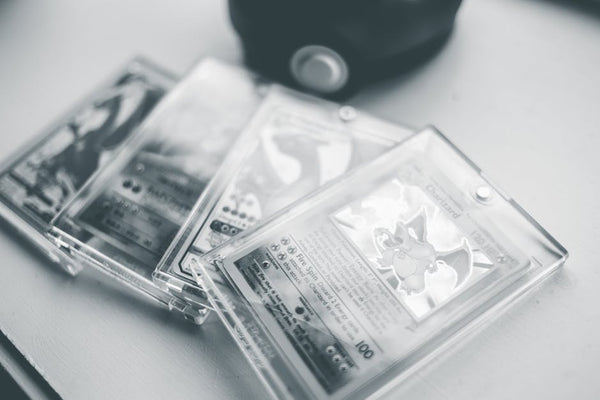
Quick tangent, but I need to address something. Coming from Pokemon TCG, Yu-Gi-Oh's meta feels way more volatile. Pokemon rotates formats annually, but Yu-Gi-Oh can completely shift with a single banlist update or new set release. The investment feels riskier, but the gameplay depth is honestly unmatched.
Unlike Pokemon where you're mostly playing rock-paper-scissors with weakness types, Yu-Gi-Oh rewards pure technical skill and deck knowledge. When I'm building custom gaming PCs at our shop here in Orange, TX, I see the same thing — understanding the components matters more than just buying the most expensive parts.
The Dark Horse: Branded Despia
Everyone's counting out Branded Despia, and that's exactly why it's worth considering. The deck lost some power compared to previous formats, but it's still incredibly solid and costs significantly less than the top-tier options.
Albaz Dogmatika variants run around $200-300 depending on your Branded Fusion count and whether you spring for the expensive extra deck options. The deck still has explosive turns, and most players aren't preparing for it anymore.
Honestly? Sometimes being off-meta is an advantage. While everyone's testing against Snake-Eye and prepping for Purrely, you can catch people completely off-guard with optimized Branded plays.
Building for Your Local Meta
Here's something crucial that most deck guides ignore: your local trading card game scene matters more than tournament results. If your locals is full of Snake-Eye players, building anti-meta might be smarter than netdecking the latest YCS winner.
I've seen players dominate their local scene with "tier 3" decks simply because they understood their environment. Know what your locals plays. Test against those specific decks. Build accordingly.
Budget Considerations and Future-Proofing
Let's talk money because cardboard ain't cheap. Snake-Eye will probably eat a banlist hit eventually — Konami always nerfs the best deck. But cards like Bonfire and some of the generic engines will likely retain value even after hits.
Purrely and Rescue-ACE feel safer long-term because they're strong but not oppressive. These decks might dodge major banlist hits while still remaining competitive.
My advice? Start with a budget version of whatever interests you most, then upgrade over time. Don't blow $600 on Snake-Eye if you're not sure you'll stick with the game.
What's Actually Worth Your Time Right Now
Bottom line: Snake-Eye Fire King if you want to win everything and money isn't an issue. Purrely if you want consistent performance without breaking the bank. Rescue-ACE if you enjoy versatile gameplay. Branded if you want to catch people sleeping.
The meta's going to shift again soon — it always does. But these decks give you the best shot at having fun and winning games while we wait for whatever Konami throws at us next. Just remember that the best meta deck is the one you actually know how to play.
Now stop reading guides and go test some hands. The only way to really understand these decks is to shuffle up and see what happens when your opponent opens triple handtrap.
Looking for the right setup? Check out BitCrate Custom Gaming PCs — built right here in Orange, TX.








































Leave a Comment