


Pokemon TCG Investing: Which Cards Hold Their Value Like High-End GPUs?
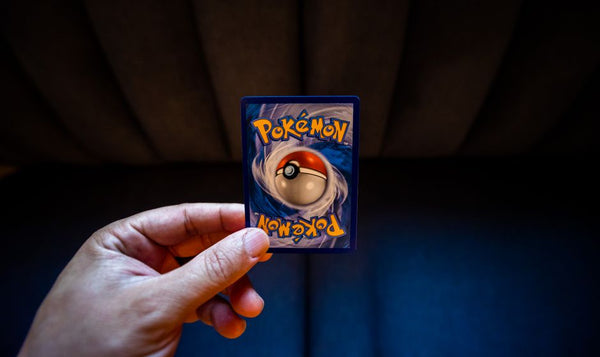
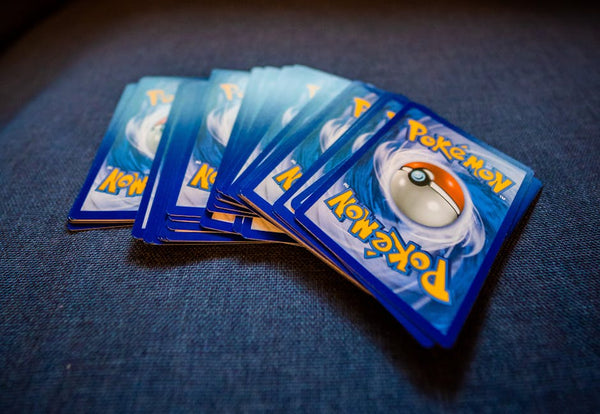
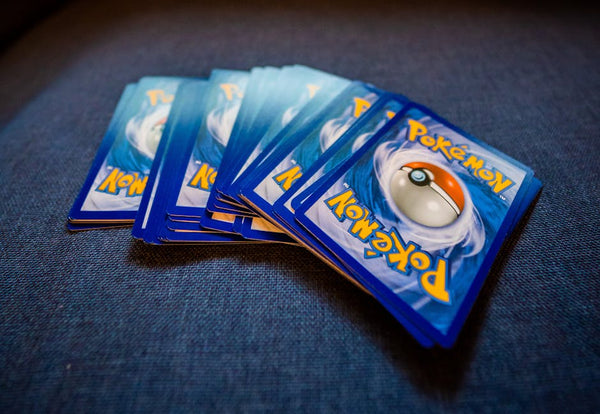
Pokemon TCG card investing is basically the trading card game equivalent of buying a top-tier graphics card and watching it appreciate instead of depreciate. Sounds wild? It's happening every day. While your RTX 4090 loses value the moment you unbox it, certain Pokemon cards are climbing in price faster than crypto during a bull run.
I've been tracking this stuff for years now, and honestly, some of these card prices make me question whether I should've spent my last GPU budget on a Base Set Charizard instead. But here's the thing — card investing isn't just about blindly throwing money at shiny cardboard and hoping for the best.
The Foundation Cards: Base Set and WOTC Era
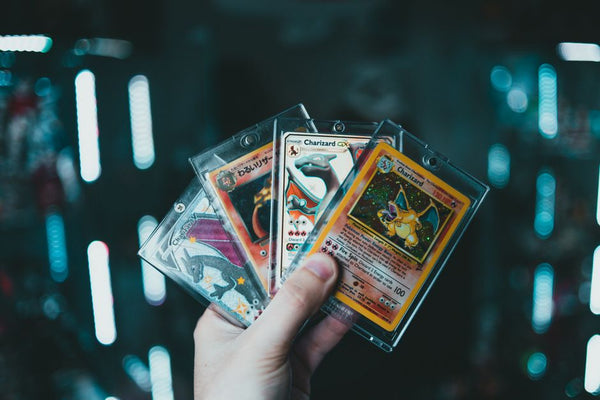
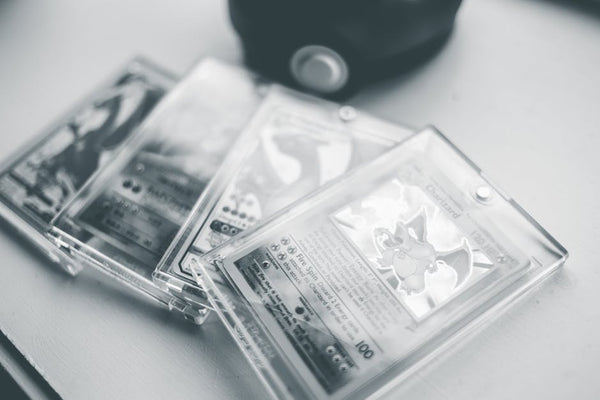
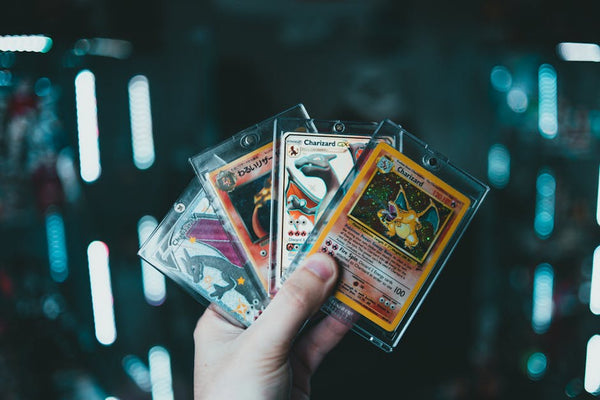
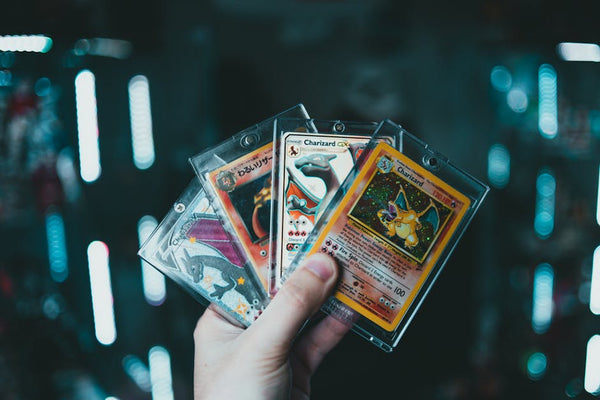
Let's talk about the holy grail stuff first. Base Set cards are like the Intel 8086 of Pokemon — historically significant and increasingly rare. A PSA 10 Base Set Shadowless Charizard sold for $350,000 in 2022. That's enough to build seventeen high-end gaming rigs.
But you don't need to drop house money to get into WOTC-era investing. Base Set 2 Charizard? Still solid. First Edition Jungle cards? Undervalued compared to Base Set. Neo Genesis Lugia? That thing's been climbing steadily for years.
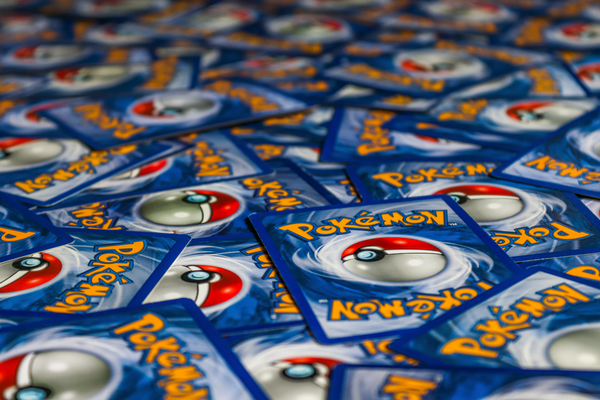
Personally, I think the entire WOTC era (1998-2003) represents the strongest foundation for long-term holds. These cards have twenty-plus years of nostalgia behind them, limited print runs, and the kind of artwork that just hits different. Compare that to modern sets where they print millions of cards — it's like comparing a limited-edition GPU to a mainstream model.
Condition Is Everything
Here's where it gets technical. Raw cards are like used components — you never really know what you're getting. PSA 9s and 10s are where the real money lives. A PSA 9 Base Set Charizard might run you $3,000, while the same card in PSA 10 condition sells for $15,000+.
The grading game reminds me of silicon lottery. Sometimes you get lucky. Sometimes you don't. I've seen perfectly clean-looking cards come back as PSA 8s because of microscopic edge wear that's invisible to the naked eye.
Modern Pokemon TCG: The Hidden Gems
Modern sets aren't all worthless, though. Some cards from recent years are performing better than most people expected. Take the Pokemon TCG 25th Anniversary Classic Collection — those cards have held value surprisingly well since release.
Japanese cards deserve special mention here. The Japanese market treats these cards differently, and their print quality is often superior. A Japanese Base Set card in good condition will typically outperform its English equivalent over time. It's like comparing a Founder's Edition GPU to a third-party model — same performance, different prestige.
What about those expensive modern cards everyone's chasing? Logan Paul's $6 million Charizard made headlines, but that's an outlier. Most modern chase cards peak at release and slowly decline unless something major happens.
The Promo Problem
Promotional cards are tricky territory. Some promos become legendary — the 1998 Pikachu Illustrator recently sold for over $5 million. Others become worthless bulk. The key is distribution numbers and cultural significance.
Tournament prize cards and staff promos tend to hold value better than mass-distribution promos. Makes sense when you think about it. Limited supply plus meaningful context equals sustained demand.
Which Pokemon TCG Cards Actually Hold Their Value?
Alright, let's get specific. After years of watching this market, here are the cards that consistently maintain or increase value:
The Tier 1 Holdings: Base Set Charizard (all variants), Trophy Pikachu cards, Pikachu Illustrator, Neo Genesis Lugia, and Base Set Venusaur/Blastoise. These are your equivalent of flagship GPUs — expensive but reliable performers.
Crystal Pokemon from e-Card series? Criminally undervalued right now. Gold Star Pokemon from EX series? Same thing. These cards have unique mechanics and gorgeous artwork but haven't hit mainstream investor attention yet.
Hot take: I think Japanese exclusive cards are the sleeping giants of Pokemon investing. Cards like the Japanese Base Set No Rarity Charizard or exclusive tournament prizes from Japan consistently outperform their English counterparts long-term.
The Sleeper Picks
Want something more accessible? Look at Expedition Base Set cards. They're from 2002, have unique card layouts, and most people ignore them completely. A PSA 10 Expedition Charizard runs about $1,200 — expensive but not ridiculous compared to other Charizards.
Southern Islands cards are another weird spot. Super limited print run, gorgeous artwork, but somehow still affordable. I picked up a complete Southern Islands set last year for less than what most people spend on their monitor upgrade.
Working at our shop here in Orange, TX, I've seen customers drop serious money on modern cards while completely ignoring solid WOTC-era options sitting right next to them. Sometimes the best investments are hiding in plain sight.
The Reality Check: What Doesn't Hold Value
Let's be real for a minute. Most Pokemon cards don't hold their value. Base Set Unlimited Charizard in played condition? You're looking at maybe $100-200. Modern set rares from the past five years? Most are worth less than retail price six months after release.
The brutal truth is that condition matters more than rarity sometimes. A PSA 10 common card can be worth more than a damaged rare. It's like having a perfectly functioning mid-range GPU versus a flagship card with artifacting issues.
Fake cards are everywhere now, and they're getting scary good. Always buy from reputable sources, especially for high-value items. When you're dropping GPU money on cardboard, authentication matters.
Market Timing and Trends
The Pokemon card market moves in cycles, just like PC component pricing. Remember when GPU prices were absolutely insane in 2021? Pokemon cards had their own version of that during the pandemic. Prices shot up 300-500% in some cases.
Now things have normalized somewhat, but certain cards never came back down. Base Set PSA 10s are still trading at pandemic prices. Meanwhile, modern card prices crashed hard once the hype died down.
Are we in a good buying period right now? Honestly, it depends on what you're targeting. WOTC-era cards in good condition still feel expensive but stable. Modern cards are probably at or near their floor for most sets.
Building Your Pokemon Card Portfolio
Think of Pokemon card investing like building a balanced gaming setup. You want some reliable workhorses and maybe a few high-risk, high-reward pieces.
Your foundation should be WOTC-era cards in the best condition you can afford. These are your equivalent of a solid CPU and motherboard — not flashy, but essential for long-term stability.
From there, you can branch out into Japanese exclusives, trophy cards, or specific Pokemon you think are undervalued. Personally, I'm bullish on anything Lugia-related long-term. That bird has staying power.
Don't forget about sealed product either. Unopened Base Set booster boxes are trading for $400,000+. Even more recent sets like HGSS-era boxes are climbing steadily. It's like buying a graphics card and never opening the box — except in this case, that actually makes financial sense.
The Pokemon TCG market isn't going anywhere. With new generations discovering these cards every year and supply constantly decreasing, quality vintage Pokemon cards represent one of the most interesting alternative investments out there. Just remember — buy what you love, grade what matters, and never spend more than you can afford to lose. Because at the end of the day, they're still just really expensive pieces of cardboard that happen to feature electric mice.
Looking for the right setup? Check out Pokemon TCG at TieredUp Tech — built right here in Orange, TX.










Leave a Comment