


Magic: The Gathering Final Fantasy Crossover — Is It Worth Your Hard-Earned Gil?
Look, I'll be straight with you from the jump — when Wizards announced the Magic: The Gathering Final Fantasy crossover, my first thought wasn't about gameplay mechanics or power levels. It was about whether this would be another Walking Dead situation where casual players get priced out of something genuinely cool, or if we'd finally get a crossover that doesn't feel like pure corporate synergy.
Having spent the last few weeks cracking packs and watching market prices fluctuate like Bitcoin in 2022, I've got some thoughts. And honestly? The answer to whether you should buy in depends heavily on what kind of player you are and how much disposable income you're comfortable lighting on fire for cardboard crack.
The Real Talk on MTG Final Fantasy Value Proposition
First things first — this isn't your standard Magic set. We're talking about a premium product that's positioned more like Modern Horizons than a typical Standard release. The price point reflects that reality.
At around $15-20 per pack (depending on where you shop), you're looking at the same investment you'd make for a decent aftermarket CPU cooler. The question becomes: are you getting the same bang for your buck? Tbh, that depends on what you're chasing.
The showcase treatment on these cards is absolutely nuts. I'm not even a huge Final Fantasy fan, but seeing Cloud rendered in Magic's art style hit different. It's like when you finally see ray tracing running on a game you've played for hundreds of hours — familiar, but elevated.
What Actually Makes This Trading Card Game Release Special
Unlike some recent crossovers that felt forced, this one actually works mechanically. The design team clearly understood both properties instead of just slapping Final Fantasy names onto random Magic effects.
Take Lightning, for example. Her card design captures the paradigm shift mechanic from FF13 while still playing like a legitimate Magic card. She's not busted, but she's not mid either — which is exactly where you want crossover cards to land.
The real standouts are the dual lands, though. These aren't reprints of existing cycles with new art. They're mechanically unique, tournament-legal cards that could see legitimate play in eternal formats. That's huge for long-term value retention.
Market Reality Check: Pokemon TCG Prices vs MTG Expectations
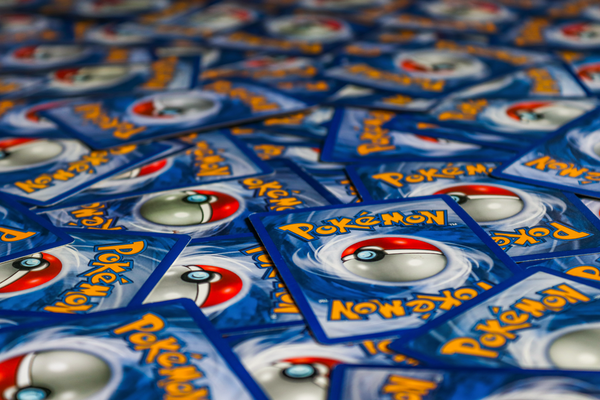
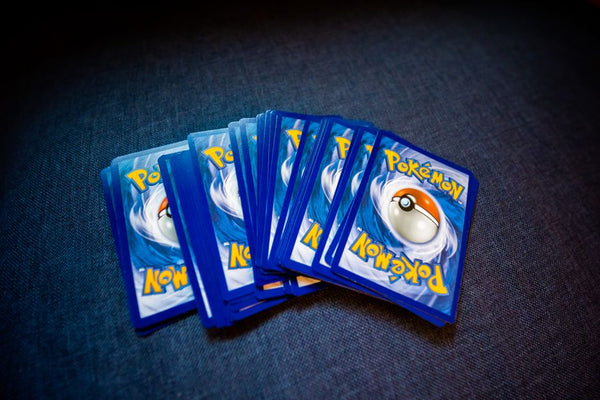
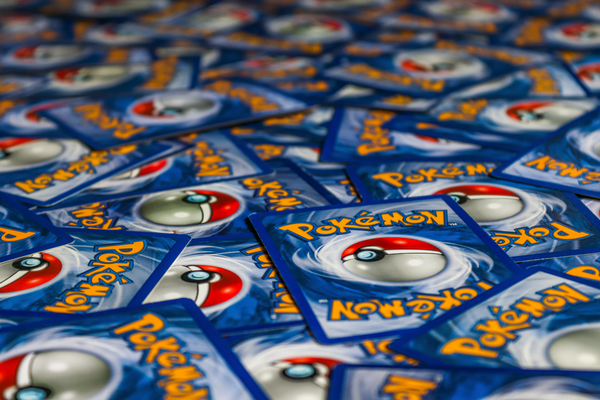
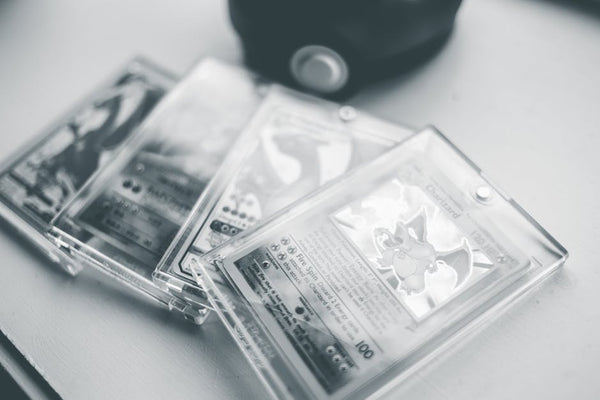
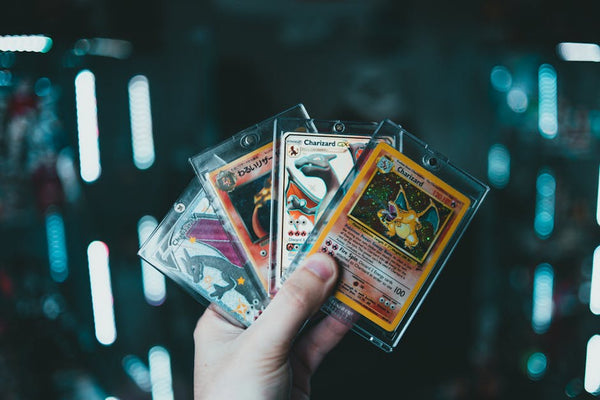
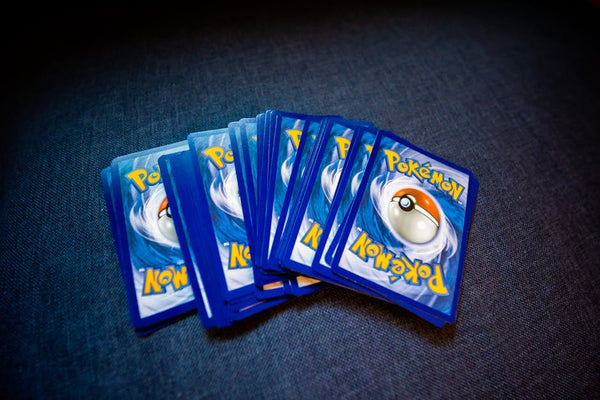
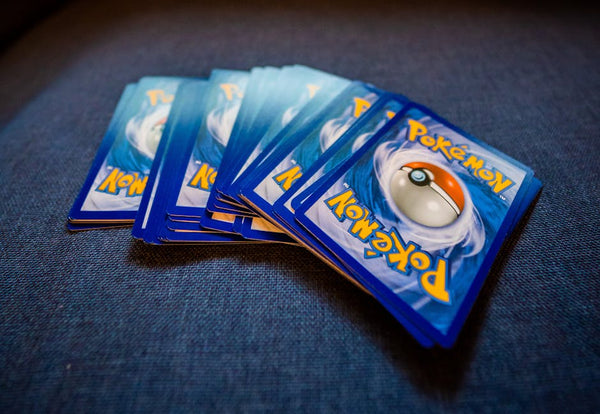
Here's where things get spicy, and I need to drop some hard truths. Everyone keeps comparing this to Pokemon TCG special sets, but that's not a fair comparison. Pokemon has conditioned collectors to expect $300+ chase cards. Magic players? We're used to $50 being expensive outside of Reserved List nonsense.
Personally, I think people expecting Pokemon-level price appreciation are setting themselves up for disappointment. Magic's secondary market operates on different fundamentals. Even the sickest alternate art Jace isn't hitting four figures unless it's tournament-playable.
That said, the serialized cards are a different beast entirely. We're seeing some of these numbered versions selling for more than a high-end graphics card. Is that sustainable? Probably not long-term, but the initial hype is real.
Breaking Down the Math for Budget Players
Let's get practical for a second. Say you've got $100 burning a hole in your pocket — the same amount you might spend on a solid mechanical keyboard. What's your best play here?
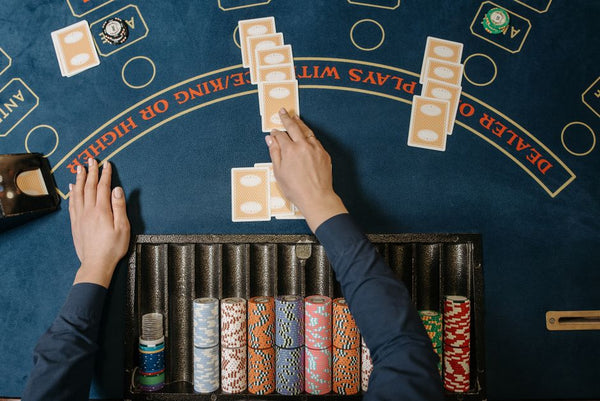
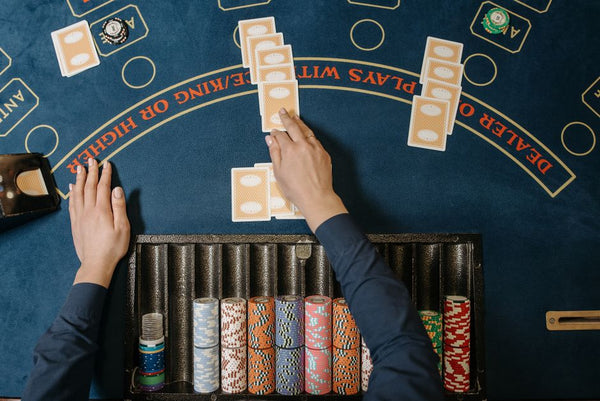
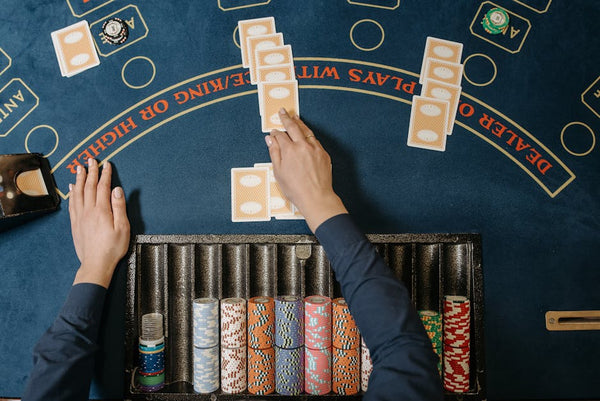
If you're buying packs for the gambling rush, honestly, just hit up a casino instead. Your odds are probably better, and at least you get free drinks. But if you're looking to play with these cards or you're a genuine collector of either franchise, the math changes completely.
Singles are already hitting the market, and prices are stabilizing faster than I expected. Popular characters like Cloud and Sephiroth are commanding premium prices, but supporting cast members are surprisingly affordable. You can build a solid Final Fantasy-themed EDH deck for less than the cost of a decent motherboard.
The Competitive Angle Nobody's Talking About
Here's a hot take: this set might actually impact competitive Magic more than people realize. I've been testing some of these cards at our local shop here in Orange, TX, and a few are legitimate sleepers.
The mana fixing alone could shake up some fringe archetypes. When you can splash colors more easily, suddenly those janky three-color combo decks become marginally less janky. It's not format-warping, but it's enough to matter.
Plus, and this might be controversial, I think the power level is perfectly calibrated. These cards feel special without completely invalidating existing strategies. Compare that to some recent Standard sets that basically forced you to adapt or die.
The biggest mistake players are making is treating this like a normal Magic release instead of what it actually is: a premium collectible experience with playable cards attached.
Long-Term Hold or Quick Flip?
Alright, let's talk investment strategy, because I know half of you are thinking about it. Should you be buying boxes to sit on like you're hoarding GPUs during the mining boom?
Ngl, sealed product might have legs, but probably not the moonshot returns people are hoping for. Magic's reprint policy is more aggressive than it used to be, and Wizards has shown they're willing to revisit popular concepts. Remember when Time Spiral Remastered crashed the values of original Timeshifted cards?
That said, first-edition Final Fantasy crossover material has inherent collector appeal that transcends just Magic players. Square Enix fans who don't normally touch trading cards are buying these as collectibles. That crossover audience could provide price support that typical Magic products don't enjoy.
But honestly? Don't buy this stuff expecting to pay rent with your profits six months from now. Buy it because you want to play with it, display it, or because you're genuinely excited about the crossover concept.
The Wild Card Factor: Future Crossovers
What really has me intrigued is what this means for future collaborations. If this performs well (and early indicators suggest it's doing solid numbers), we're probably looking at more crossovers down the line.
Would I be shocked to see a Legend of Zelda Magic set in two years? Not really. What about Marvel or Star Wars? Now we're getting into interesting territory. The success of this Final Fantasy experiment could reshape how Wizards approaches premium products entirely.
That context makes this release historically significant regardless of individual card values. You're not just buying cardboard — you're buying a piece of Magic's evolution as a brand.
My Final Verdict on Value
So is it worth buying? That depends on your personal situation and what you're hoping to get out of it.
If you're a Final Fantasy fan who plays Magic casually, this is probably a slam dunk purchase. The art alone justifies the premium, and you'll actually use the cards. If you're a competitive player looking for tournament staples, focus on singles for the specific cards that fit your decks.
For pure investors or speculators? I'd be cautious. The market's already pricing in a lot of hype, and Magic's track record with premium products is mixed at best. Some hit, some miss, and predicting which is which is basically impossible.
Me? I grabbed a few packs because I wanted to experience the crossover firsthand, and I picked up singles of the cards that fit my existing decks. It's the same approach I take with PC components — buy what you'll actually use, not what you think might appreciate in value.
The real winner here might be Magic as a whole. If this opens the door to more creative crossovers that capture the imagination without breaking competitive balance, we could be looking at a new golden age of premium Magic products. And frankly, that's way more exciting than any individual card's price tag.
Looking for the right setup? Check out Magic: The Gathering Singles — built right here in Orange, TX.
















Leave a Comment