


Pokemon TCG Investing: Which Cards Actually Hold Their Value?
Let me tell you something that might hurt to hear: most Pokemon cards aren't investments. They're cardboard with pretty pictures that kids use to play a trading card game. But here's the thing – some of these pieces of cardboard have turned into legitimate gold mines, and I've seen enough customers walk into TieredUp Tech asking about card values to know that people are genuinely curious about what makes certain Pokemon TCG cards worth their weight in actual precious metals.
After years of watching the market and helping folks sort through their collections, I've learned that card investing isn't about getting lucky with a random pack. It's about understanding patterns, scarcity, and what makes collectors lose their minds with excitement.
The Holy Grail Cards That Never Lose Value
Want to know which Pokemon TCG cards have consistently held their value? Let's talk about the obvious ones first.
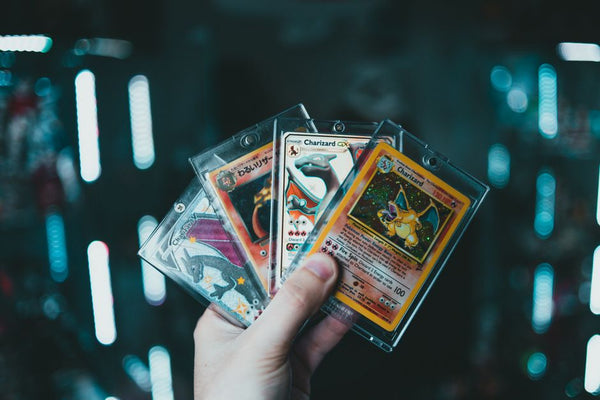
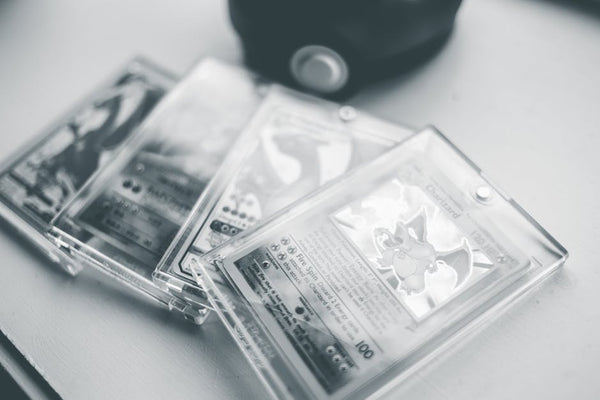
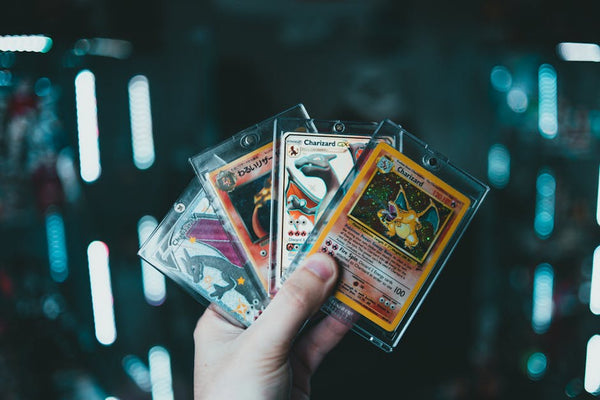
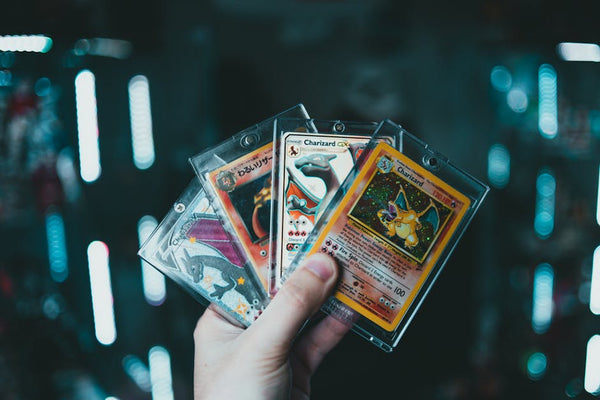
Base Set Shadowless Charizard. Yeah, I know – everyone talks about this card. But there's a reason why PSA 10 copies sell for $350,000+. This isn't just nostalgia talking; it's the perfect storm of being the most iconic Pokemon on the most iconic card from the most important set in the trading card game's history.
But here's what most people don't realize – condition is everything. A beat-up Charizard might get you $100 if you're lucky. That same card in mint condition? We're talking thousands. The gap between played and pristine condition in Pokemon TCG is absolutely massive, especially for vintage cards.
First edition cards from Base Set, Jungle, and Fossil? These are your blue-chip investments. Blastoise, Venusaur, Alakazam – basically anything that hits hard with 90s kids while also being tournament-playable back in the day.
Japanese Cards Hit Different
Here's a hot take: Japanese Pokemon cards often age better than their English counterparts. Why? Better print quality, smaller print runs, and collectors in Japan treat their cards like museum pieces.
Japanese Base Set cards, especially promotional ones, have been absolutely crushing it lately. The Japanese Charizard No. 006 promo from 1998 regularly sells for more than English first editions. Makes sense when you think about it – Pokemon started in Japan, so there's this authenticity factor that resonates with serious collectors.
Modern Cards That Actually Matter for Pokemon TCG Investment
Think modern Pokemon TCG cards can't be good investments? Think again. I've watched certain modern cards skyrocket in ways that make crypto bros jealous.
Pikachu illustrator cards are the obvious example – the 2022 version sold for over $5 million. But let's talk about cards you might actually encounter. Hidden Fates Shiny Charizard GX has been rock solid since 2019. Evolving Skies Rayquaza VMAX alternate art? That card's been climbing steadily.
Here's what I've noticed: alternate art cards with popular Pokemon tend to hold value way better than regular versions. The difference between a standard Charizard V and the alternate art version isn't just aesthetics – it's often hundreds of dollars in market value.
Special sets are where the magic happens. Hidden Fates, Shining Fates, Celebrations – these aren't your typical expansion packs. They're designed for collectors first, players second, and that focus shows in their long-term value retention.
The Grading Game Changes Everything
Honestly, ungraded cards feel almost worthless in today's market. Not literally, but the premium for graded cards has gotten insane. A PSA 10 card can sell for 5-10x what the same card in identical condition sells for ungraded.
Is this sustainable? I'm genuinely not sure. Part of me thinks we're in a grading bubble that's going to pop eventually. But right now, if you're serious about Pokemon TCG as an investment vehicle, you need to understand grading companies like PSA and BGS.
The cost of grading has gone up too – we're talking $20-50 per card depending on service level. So you need to be strategic about what gets graded. Don't waste money grading cards worth less than $100.
Cards That Look Like Investments But Aren't
Let me save you some money and heartache. Just because a card is rare doesn't mean it's valuable. I've seen too many people assume that any holographic card from their childhood is worth serious cash.
Most Pokemon cards from the early 2000s? Pretty much worthless. The e-Card series, EX series cards that aren't Charizard – these sets were printed heavily and don't have the same nostalgic pull as Base Set.
New chase cards from standard packs usually tank in value once they rotate out of tournament play. Unless we're talking about Charizard or Pikachu, most cards follow a predictable pattern: high prices during their tournament life, then a crash when they become illegal in standard format.
Here's another reality check: Pokemon cards aren't stocks. They don't pay dividends, and you can't easily liquidate them when you need cash. The market can be incredibly volatile based on nothing more than social media hype.
The Condition Trap
Remember when I mentioned condition matters? Let me be more specific about how brutal this can be. A card with slight edge wear might look fine to you, but grading companies will crush it with a PSA 7 or 8. And that grade difference? It's often the difference between profit and loss.
I've watched people buy "mint" cards online only to discover they're not even close to gradable condition. Always buy the card, not the story, especially when spending serious money.
Building a Smart Pokemon TCG Investment Strategy
Want my honest advice? Don't invest money you can't afford to lose. Pokemon TCG investing should be fun first, profitable second.
Focus on cards you actually like. Seriously. If you're going to hold something for 5-10 years, you better enjoy looking at it. I've seen too many people buy cards they hate just because they think they'll appreciate.
Diversification matters here too. Don't put everything into vintage cards or modern cards exclusively. A mix of established classics and promising modern cards gives you better odds of long-term success.
And please, for the love of Professor Oak, store your cards properly. Top loaders, penny sleeves, controlled humidity – these aren't suggestions if you're treating cards as investments. One basement flood can wipe out thousands of dollars.
Hot take: Most people should buy sealed product over singles if they're thinking long-term. Unopened booster boxes from good sets have been incredibly consistent performers.
The Pokemon TCG market isn't going anywhere. New generations discover these cards constantly, and nostalgia is a powerful force. But treating cardboard speculation like the stock market? That's a recipe for disappointment. Buy what you love, protect what you own, and maybe you'll get lucky with some gains along the way.
Looking for the right setup? Check out Pokemon TCG at TieredUp Tech — built right here in Orange, TX.







Leave a Comment