


Chinese University's 3D Chip Tool Could Change Custom Gaming PC Builds Forever
Yo, this is wild. Just heard about a Chinese university dropping some serious tech that could flip the entire gaming PC build scene on its head. They've developed a 3D chip design tool specifically for Huawei's new "LogicFolding" architecture, and honestly? This might be the biggest shift in gaming hardware since RTX launched.
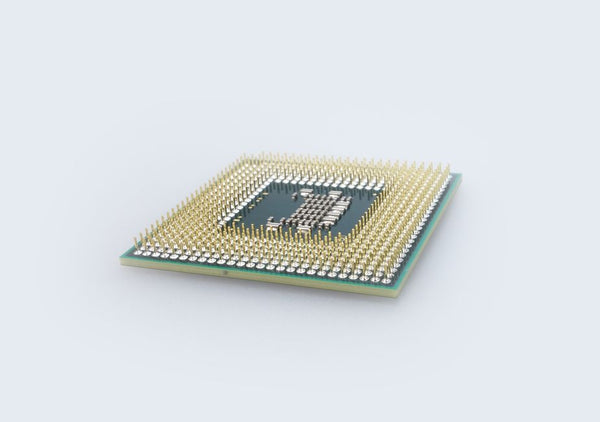
The timing's crazy too. This announcement dropped just two days after Huawei presented LogicFolding and their Tau Scaling Law at ISCAS 2026. For those who don't know what that means — basically, we're talking about chips that fold logic circuits in three dimensions instead of cramming everything onto flat surfaces like we've been doing since forever.
Why 3D Chip Architecture Matters for Gaming Performance
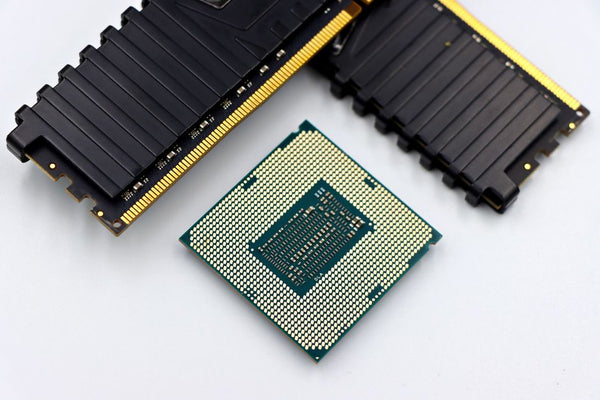
Let's be real here. Current gaming chips are hitting a wall. You can only make transistors so small before quantum effects start messing with your signal integrity. Intel's been stuck on variations of 14nm for years (don't @ me about their marketing names), and even TSMC's 3nm node isn't the magic bullet everyone hoped for.
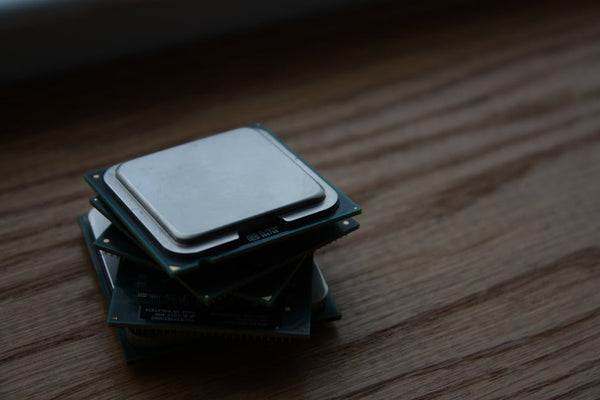
But 3D stacking? That's different. Instead of making things smaller, you're literally building up. Think of it like this — instead of cramming more apartments into a city block by making each unit tinier, you just build a skyscraper.
The performance implications are insane. Shorter trace lengths between components mean lower latency. And for us FPS players, latency is everything. When I'm holding angles in CS2 or trying to track targets in Valorant, every microsecond counts. If this LogicFolding tech can shave even 1-2ms off input lag, that's legitimately game-changing.
Thermal Management Gets a Major Upgrade
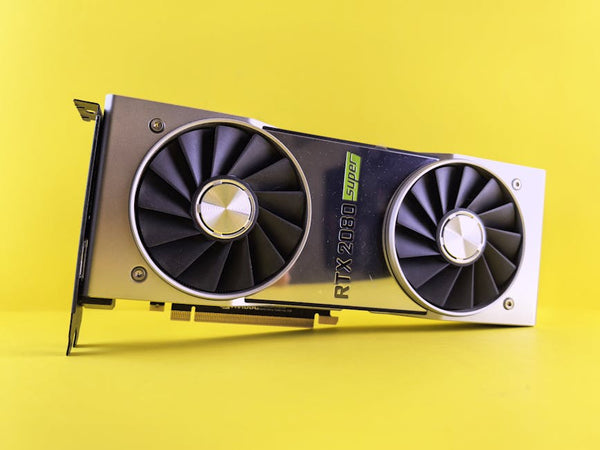
Here's where things get really interesting. Traditional chips generate heat in a flat plane, which creates hotspots that thermal solutions struggle to handle efficiently. Ever wonder why your GPU hits 83°C under load even with a massive cooler?
3D architectures spread heat generation across multiple layers. The university's design tool apparently includes thermal simulation that can predict heat dissipation patterns before the chip even exists. That's honestly brilliant.
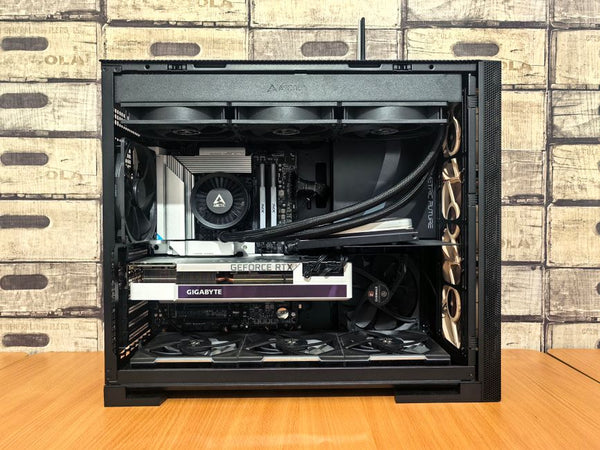
I was helping a customer at our shop here in Orange, TX last week who was frustrated with their RTX 4090 thermal throttling during long gaming sessions. With better thermal distribution, future GPUs might not need those massive triple-slot coolers that barely fit in most cases.
What This Means for Custom Gaming PC Builds
Personally, I think we're looking at the future of high-performance gaming hardware. But here's the thing — it's gonna take years before this tech trickles down to consumer GPUs and CPUs that we can actually buy.
The first implementations will probably hit server and enterprise markets. Then maybe flagship mobile chips. Gaming hardware? We're probably looking at 2028 at the earliest, assuming everything goes perfectly.
But when it does hit? Dude. Imagine GPUs that run cooler, perform better, and don't need massive power supplies. Current high-end gaming rigs pull 800+ watts under load. 3D architectures could potentially deliver more performance while actually reducing power consumption.
The Latency Revolution
Let's talk about what really matters — frame times and input lag. Current gaming PCs are fast, but they're not optimized for the ultra-low latency competitive gaming demands.
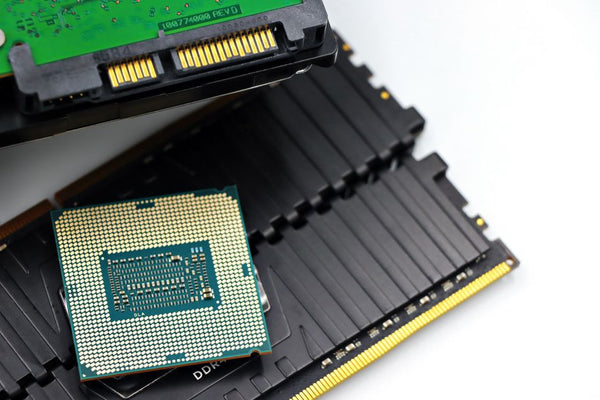
Take memory access patterns. Your CPU and GPU constantly communicate with RAM, and those requests travel relatively long distances on traditional flat chip architectures. With 3D folding, critical pathways could be physically much shorter.
Hot take: this could make 480Hz monitors actually useful. Right now, even with a RTX 4090 and 13900K, you're not getting consistent sub-2ms frame times in competitive titles at high refresh rates. But with optimized 3D chip designs? We might actually saturate those insane refresh displays.
The key isn't just raw performance — it's consistent, predictable performance with minimal latency spikes.
Real-World Gaming Implications
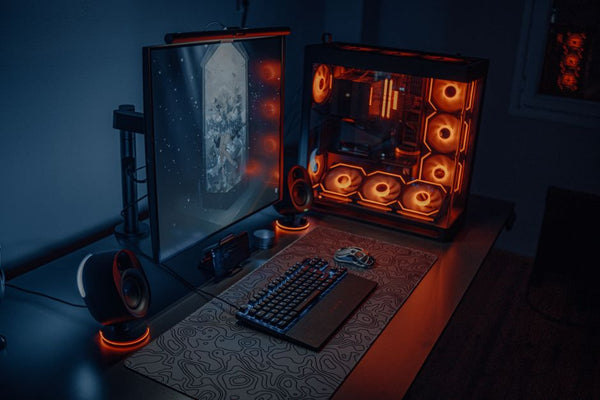
Okay but what does this actually mean for your next gaming PC build? Right now? Basically nothing. This tech is years away from consumer hardware.
However, it's worth considering how this might change upgrade cycles. If 3D architectures deliver the performance leaps that traditional node shrinks can't anymore, we might see much bigger generational improvements in the late 2020s.
Should you wait? Nah. Current hardware is already incredibly capable. A well-configured RTX 4070 Ti Super can push 240Hz in competitive titles without breaking a sweat. The BitCrate Custom Gaming PCs we build here prove that every day.
The Huawei Factor
Here's where things get complicated though. Huawei's involved, which means this tech might not make it to US gaming hardware anytime soon due to trade restrictions. That's honestly frustrating because innovation shouldn't be limited by geopolitics.
But other companies are definitely watching. NVIDIA, AMD, Intel — they're all working on their own 3D stacking solutions. Competition drives innovation, and this announcement just turned up the heat.
Beyond Gaming: The Broader Impact
This isn't just about gaming performance. 3D architectures could revolutionize AI acceleration, content creation, and basically any compute-intensive workload.
Think about game development itself. Better thermal management means developers could push real-time ray tracing further. More compute density could enable better physics simulation, larger game worlds, more realistic NPCs.
We're not just talking about higher framerates — we're talking about fundamentally different gaming experiences.
The Uncertain Timeline
Honestly? I'm not sure when we'll actually see this technology in gaming hardware we can buy. University research has a way of taking forever to reach consumers, especially when it involves completely new manufacturing processes.
The toolchain alone is a massive undertaking. You can't just design 3D chips with existing software — you need new simulation tools, new verification methods, new testing procedures. That's probably why this university's tool announcement is such a big deal.
Will this replace traditional chip architectures completely? Probably not immediately. More likely we'll see hybrid approaches — critical pathways using 3D folding while less latency-sensitive components stay on traditional flat layouts.
But mark my words: the first gaming GPU that successfully implements this tech is gonna absolutely demolish the competition. The performance gains from reduced latency alone could be massive, nevermind the thermal and power efficiency improvements.
Keep an eye on this space. The next few years are gonna be absolutely wild for gaming hardware.

















Leave a Comment